To amend title 18, United States Code, to prohibit discrimination by abortion against an unborn child on the basis of Down syndrome.
Analysis under review: This bill has generated analysis that may be too generic or incomplete. Clause-level evidence remains available below.
Summary
What This Bill Does
This bill, To amend title 18, United States Code, to prohibit discrimination by abortion against an unborn child on the basis of Down syndrome., changes federal law or congressional policy affecting health care providers and patients. The main policy domain is Healthcare, Criminal Justice, Civil Rights.
Who Benefits and How
health care providers and patients may benefit from new authority, funding, eligibility, regulatory clarity, or reduced risk created by the bill.
Who Bears the Burden and How
federal implementing agencies, health care providers and patients may take on implementation duties, reporting obligations, compliance costs, or oversight responsibilities.
Key Provisions
- Section H0D1C46CAE2114C1589673D4DE20566E7: 1. Short title This Act may be cited as the Protecting Individuals with Down Syndrome Act.
- Section H6105A63F428E401CAD19EB09E6251637: 2. Findings Congress finds the following: On June 24, 2022, the United States Supreme Court issued a decision in Dobbs v. Jackson Women’s Health Organization...
- Section HBDD1E0E2D7784A7BBFD48A8B2F1D4ECD: 3. Discrimination by abortion against an unborn child on the basis of down syndrome prohibited Chapter 13 of title 18, United States Code, is amended by adding...
- Section H530005F6479A4BB488D637D16CEF222A: 250. Discrimination by abortion against an unborn child on the basis of down syndrome prohibited In this section: The term abortion means the act of using or...
- Section HE9650F899EE943BFABA4376C5B7997BB: 4. Severability If any portion of this Act, or the amendments made by this Act, or the application thereof to any person or circumstance is held invalid, such...
Evidence Chain:
This summary is generated from the full bill text using AI analysis. Expand "Detailed Analysis" below for identified beneficiaries/burden bearers with clause-level evidence links.
At a Glance
What This Bill Does
This bill, To amend title 18, United States Code, to prohibit discrimination by abortion against an unborn child on the basis of Down syndrome., changes federal law or congressional policy affecting health care providers and patients.
Key Policy Areas
Healthcare, Criminal Justice, Civil Rights
Primary Purpose
This bill, To amend title 18, United States Code, to prohibit discrimination by abortion against an unborn child on the basis of Down syndrome., changes federal law or congressional policy affecting health care providers and patients.
Policy Domains
Whole bill
Identified Gains
- health care providers and patients
Identified Costs
- federal implementing agencies
- health care providers and patients
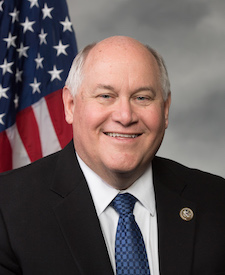
Sponsors
Legislative Progress
IntroducedMr. Estes introduced the following bill; which was referred to …
Impact analysis is available but no clear stakeholder effects identified. View clause-level analysis →
Bill Structure & Actor Mappings
Who is "The Secretary" in each section?
- "federal_implementing_agencies"
- → Federal agencies assigned duties by the bill
Key Definitions
Terms defined in this bill
a chromosomal disorder associated with— an extra copy of the chromosome 21, in whole or in part
a chromosomal disorder associated with—(A)an extra copy of the chromosome 21, in whole or in part
We use a combination of our own taxonomy and classification in addition to large language models to assess meaning and potential beneficiaries. High confidence means strong textual evidence. Always verify with the original bill text.
Learn more about our methodology