Habitat Connectivity on Working Lands Act of 2025
Summary
What This Bill Does
The Habitat Connectivity on Working Lands Act adds wildlife movement and virtual fencing to farm conservation law. It defines habitat connectivity as the degree to which landscape or habitat elements let native species move among seasonal habitats and defines big game species to include deer, elk, pronghorn, wild sheep, and moose. USDA conservation programs may support restoration and enhancement of wildlife habitat connectivity and migration corridors, especially for big game. EQIP and CSP may pay planning, design, materials, equipment, installation, labor, management, maintenance, or training costs for ecologically significant land enrolled in the Conservation Reserve Program, while preventing duplicate payment for the same practice under another federal program. The bill preserves emergency grazing and haying access, raises a CRP payment limit from $50,000 to $125,000, directs USDA to incorporate nonstructural livestock-distribution methods such as virtual fencing into conservation practice standards, requires technical assistance, encourages corridor and hydrologic connectivity, and makes research and extension grants available for virtual fencing adoption barriers and effects on riparian areas, winter range, and stopover habitat.
Who Benefits and How
Farmers and ranchers with CRP grasslands benefit from new cost-share authority for habitat connectivity practices and a higher CRP payment limit. Big game migration corridors benefit because USDA programs can prioritize wildlife habitat connectivity and movement between seasonal habitats. Virtual fencing technology developers benefit from research, extension, conservation standards, and technical assistance language. Conservation researchers benefit from grants to study virtual fencing barriers and effects on riparian areas, winter range, and stopover habitats.
Who Bears the Burden and How
USDA conservation staff must update conservation practice standards, technical assistance, and payment rules for habitat connectivity and virtual fencing. Producers receiving duplicate federal payments for the same practice on the same land are excluded from the new cost-share payments. NRCS field staff must evaluate ecological significance, corridor practices, and nonstructural livestock distribution methods. Federal taxpayers fund expanded conservation payments, research grants, and technical assistance.
Key Provisions
- Adds habitat connectivity and big game species definitions to the Food Security Act.
- Expands conservation program purposes to include wildlife habitat connectivity and migration corridors.
- Authorizes EQIP and CSP cost-share payments for ecologically significant CRP grasslands while barring duplicate payments.
- Raises a CRP payment limit from $50,000 to $125,000.
- Requires USDA to incorporate virtual fencing into practice standards and authorizes research on virtual fencing effects.
Evidence Chain:
This summary is generated from the full bill text using AI analysis. Expand "Detailed Analysis" below for identified beneficiaries/burden bearers with clause-level evidence links.
At a Glance
What This Bill Does
Adds habitat connectivity and big game migration corridors to USDA conservation programs, expands cost-share authority for ecologically significant CRP grasslands, raises a CRP payment limit from $50,000 to $125,000, incorporates virtual fencing into conservation standards, and authorizes research on virtual fencing impacts.
Key Policy Areas
Agriculture, Conservation, Wildlife, Research
Primary Purpose
Adds habitat connectivity and big game migration corridors to USDA conservation programs, expands cost-share authority for ecologically significant CRP grasslands, raises a CRP payment limit from $50,000 to $125,000, incorporates virtual fencing into conservation standards, and authorizes research on virtual fencing impacts.
Policy Domains
Resolution provisions
Identified Gains
- Farmers with CRP grasslands
- Big game migration corridors
- Virtual fencing technology developers
- Conservation researchers
Identified Costs
- USDA conservation staff
- Producers receiving duplicate payments
- NRCS field staff
- Federal taxpayers
Sponsors
Legislative Progress
In CommitteeReferred to the Subcommittee on Conservation, Research, and Biotechnology.
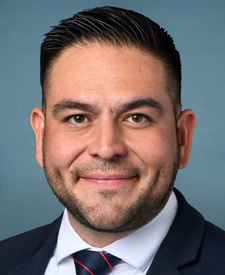
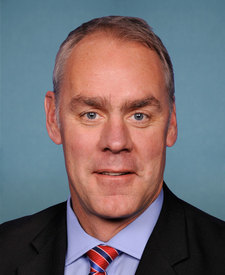
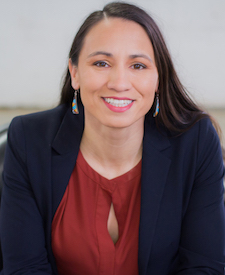
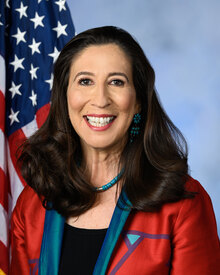
Mr. Vasquez (for himself, Mr. Zinke, and Ms. Leger Fernandez) …
Referred to the House Committee on Agriculture.
Introduced in House
Stakeholder Effects
cui bono?How this legislation distributes effects. Mention counts reflect frequency, not effect magnitude.
Farmers with CRP grasslands, Virtual fencing technology developers
NRCS field staff, USDA conservation staff
Bill Structure & Actor Mappings
Who is "The Secretary" in each section?
We use a combination of our own taxonomy and classification in addition to large language models to assess meaning and potential beneficiaries. High confidence means strong textual evidence. Always verify with the original bill text.
Learn more about our methodology