Ensuring Veterans Timely Access to Anesthesia Care Act of 2025
Summary
What This Bill Does
The Ensuring Veterans Timely Access to Anesthesia Care Act changes VHA anesthesia workforce rules. VA must update VHA Directive 1123 so certified registered nurse anesthetists are recognized as licensed independent practitioners in a manner consistent with Defense Health Agency practice standards. VA must require physician anesthesiologists to be certified by the American Board of Anesthesiology or a similar body, and certified registered nurse anesthetists to be certified by nurse-anesthetist certification or recertification councils or similar bodies. Covered anesthesia professionals must have completed at least 25 hours of direct patient anesthesia care, excluding supervision, and VA must suspend from employment any covered professional who does not meet the requirements. GAO must report within one year and annually thereafter on VHA anesthesia outcomes for anesthesiologist-only delivery, supervised CRNA delivery, and unsupervised CRNA delivery, plus cost effectiveness and costs or savings for VA facilities, taxpayers, and veterans' households.
Who Benefits and How
Certified registered nurse anesthetists in VA benefit because VA must recognize them as licensed independent practitioners under standards aligned with the Defense Health Agency. Veterans needing anesthesia benefit if independent CRNA practice increases staffing flexibility and timely access to procedures. VA medical facilities benefit from GAO comparisons of outcomes and cost effectiveness across anesthesia delivery models. Congressional veterans committees benefit from annual public GAO reports on VHA anesthesia models and costs.
Who Bears the Burden and How
VA physician anesthesiologists must meet board certification and direct-patient-care requirements. VA certified registered nurse anesthetists must maintain required certification and direct-patient-care experience. The VA Secretary must update directives, enforce provider requirements, and suspend noncompliant anesthesia professionals. GAO analysts must produce annual public reports comparing outcomes, facility costs, taxpayer costs, and veterans' household effects.
Key Provisions
- Requires VA to recognize CRNAs as licensed independent practitioners consistent with Defense Health Agency standards.
- Requires physician anesthesiologists and CRNAs in VA to maintain specified professional certifications.
- Requires covered VA anesthesia professionals to complete at least 25 hours of direct patient anesthesia care.
- Directs VA to suspend anesthesia professionals who do not comply with the certification and care-hour requirements.
- Requires annual GAO reports on VHA anesthesia outcomes and cost effectiveness by delivery model.
Evidence Chain:
This summary is generated from the full bill text using AI analysis. Expand "Detailed Analysis" below for identified beneficiaries/burden bearers with clause-level evidence links.
At a Glance
What This Bill Does
Requires VA to recognize certified registered nurse anesthetists as licensed independent practitioners consistent with Defense Health Agency standards, imposes certification and direct-patient-care requirements for VA anesthesia providers, mandates suspension for noncompliance, and requires annual GAO reports on VHA anesthesia models.
Key Policy Areas
Veterans, Health Care, VA, Workforce
Primary Purpose
Requires VA to recognize certified registered nurse anesthetists as licensed independent practitioners consistent with Defense Health Agency standards, imposes certification and direct-patient-care requirements for VA anesthesia providers, mandates suspension for noncompliance, and requires annual GAO reports on VHA anesthesia models.
Policy Domains
Resolution provisions
Identified Gains
- VA certified registered nurse anesthetists
- Veterans needing anesthesia
- VA medical facilities
- Congressional veterans committees
Identified Costs
- VA physician anesthesiologists
- VA anesthesia professionals
- VA Secretary
- GAO analysts
Sponsors


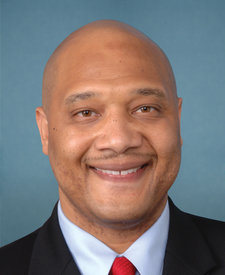

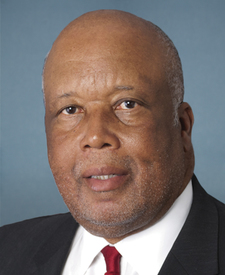
Legislative Progress
In CommitteeSubcommittee Hearings Held
Referred to the Subcommittee on Economic Opportunity.
Referred to the Subcommittee on Health.
Ms. Underwood (for herself and Mrs. Kiggans of Virginia) introduced …
Referred to the House Committee on Veterans' Affairs.
Introduced in House
Stakeholder Effects
cui bono?How this legislation distributes effects. Mention counts reflect frequency, not effect magnitude.
VA anesthesia professionals, VA certified registered nurse anesthetists, VA medical facilities
Congressional veterans committees, VA Secretary
Bill Structure & Actor Mappings
Who is "The Secretary" in each section?
We use a combination of our own taxonomy and classification in addition to large language models to assess meaning and potential beneficiaries. High confidence means strong textual evidence. Always verify with the original bill text.
Learn more about our methodology