PARA–EMT Act of 2025
Summary
What This Bill Does
The bill creates congressional findings on emergency medical services workforce shortage, including EMT/paramedic turnover rates and COVID-19 impact on EMS pipeline, creates EMS preparedness and response workforce shortage pilot grant program under Public Health Service Act, authorizing $50M/year for FY2026-2030 for EMT/paramedic recruitment and training, and creates new Section 1205 of Public Health Service Act establishing EMS workforce shortage pilot program with grants up to $1M per recipient, 20% rural set-aside, and wellness/mental health training components. It relies on grants, appropriations, and reporting requirements. The main policy areas are Healthcare, Veterans Affairs, Labor, and Education.
Who Benefits and How
Veterans with Military EMT Training could face fewer barriers, Emergency Medical Services Agencies could gain revenue opportunities, and Rural EMS Agencies could gain revenue opportunities.
Who Bears the Burden and How
HHS would take on compliance duties, Department of Labor would take on compliance duties, and HHS - ASPR would take on compliance duties.
Key Provisions
- Creates congressional findings on emergency medical services workforce shortage, including EMT/paramedic turnover rates and COVID-19 impact on EMS pipeline.
- Creates EMS preparedness and response workforce shortage pilot grant program under Public Health Service Act, authorizing $50M/year for FY2026-2030 for EMT/paramedic recruitment and training.
- Creates new Section 1205 of Public Health Service Act establishing EMS workforce shortage pilot program with grants up to $1M per recipient, 20% rural set-aside, and wellness/mental health training components.
- Creates demonstration grants to States to assist veterans with military EMT/paramedic training to transition to civilian EMS careers, authorizing $20M/year for FY2026-2030.
- Creates new Section 320C of Public Health Service Act creating demonstration grants for States to cover transition costs for veterans with military EMT/paramedic training to become civilian EMTs/paramedics.
Evidence Chain:
This summary is generated from the full bill text using AI analysis. Expand "Detailed Analysis" below for identified beneficiaries/burden bearers with clause-level evidence links.
At a Glance
What This Bill Does
The bill creates congressional findings on emergency medical services workforce shortage, including EMT/paramedic turnover rates and COVID-19 impact on EMS pipeline, creates EMS preparedness and response workforce shortage pilot grant program under Public Health Service Act, authorizing $50M/year for FY2026-2030 for EMT/paramedic recruitment and training, and creates new Section 1205 of Public Health Service Act establishing EMS workforce shortage pilot program with grants up to $1M per recipient, 20% rural set-aside, and wellness/mental health training components.
Key Policy Areas
Healthcare, Veterans Affairs, Labor, Education
Primary Purpose
The bill creates congressional findings on emergency medical services workforce shortage, including EMT/paramedic turnover rates and COVID-19 impact on EMS pipeline, creates EMS preparedness and response workforce shortage pilot grant program under Public Health Service Act, authorizing $50M/year for FY2026-2030 for EMT/paramedic recruitment and training, and creates new Section 1205 of Public Health Service Act establishing EMS workforce shortage pilot program with grants up to $1M per recipient, 20% rural set-aside, and wellness/mental health training components.
Policy Domains
Whole bill
Identified Gains
- Veterans with Military EMT Training
- Emergency Medical Services Agencies
- Rural EMS Agencies
- EMTs and Paramedics
- State EMS Agencies
Identified Costs
- HHS
- Department of Labor
- HHS - ASPR
Sponsors


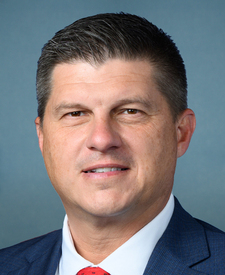


Legislative Progress
In CommitteeMs. Perez (for herself, Mr. Finstad, Mr. Feenstra, Ms. Bonamici, …
Referred to the Committee on Energy and Commerce, and in …
Introduced in House
Stakeholder Effects
cui bono?How this legislation distributes effects. Mention counts reflect frequency, not effect magnitude.
Department of Labor, HHS, HHS - ASPR
Positive-direction: State EMS Agencies
Negative-direction: Department of Labor, HHS, HHS - ASPR
Emergency Medical Services Agencies, Emergency Medical Services System, Rural EMS Agencies
Accredited Training Institutions, EMS Training and Certification Institutions
Bill Structure & Actor Mappings
Who is "The Secretary" in each section?
We use a combination of our own taxonomy and classification in addition to large language models to assess meaning and potential beneficiaries. High confidence means strong textual evidence. Always verify with the original bill text.
Learn more about our methodology