Innovative FEED Act of 2025
Summary
What This Bill Does
The Innovative FEED Act creates a new regulatory pathway for zootechnical animal food substances. These are substances added to animal food or drinking water that act only within the gastrointestinal tract to affect digestive byproducts, reduce foodborne pathogens of human health significance in food animals, or alter the animal's gastrointestinal microbiome. The category excludes disease-treatment products, hormones, active moieties in approved or investigated animal drugs, ionophores, and other exclusions created by HHS through notice and comment. The bill deems these substances food additives, requires section 409 petitions with data on intended effect, quantity, and investigations, allows FDA to set conditions for both safety and intended effect, lets FDA deny petitions that fail to prove the intended effect, and requires labeling stating that the substance is not for diagnosis, cure, mitigation, treatment, or prevention of animal disease.
Who Benefits and How
Animal feed ingredient manufacturers benefit from a food-additive pathway for qualifying microbiome and pathogen-reduction substances instead of automatic animal-drug treatment. Livestock producers benefit if approved feed substances can reduce foodborne pathogens or improve digestive byproducts through feed or drinking water. Food safety programs benefit from a pathway for animal feed substances intended to reduce pathogens of human health significance. FDA reviewers benefit from clear petition data requirements for intended effect, quantity, investigation methods, and labeling.
Who Bears the Burden and How
Zootechnical substance petitioners must submit relevant effect data, quantity data, and full investigation reports. FDA Center for Veterinary Medicine staff must review petitions, write food-additive regulations, and judge whether intended effects are proven. Animal drug sponsors may face competition from substances regulated as food additives rather than drugs. Feed label compliance staff must include the required disease-treatment disclaimer on zootechnical animal food substances.
Key Provisions
- Creates a statutory definition for zootechnical animal food substances.
- Treats qualifying substances as food additives and not drugs solely because of their gastrointestinal intended effects.
- Requires section 409 petitions to include effect, quantity, and investigation data.
- Authorizes FDA to deny petitions that do not establish the intended effect under specified use conditions.
- Requires labeling that the substance is not for animal disease diagnosis, cure, mitigation, treatment, or prevention.
Evidence Chain:
This summary is generated from the full bill text using AI analysis. Expand "Detailed Analysis" below for identified beneficiaries/burden bearers with clause-level evidence links.
At a Glance
What This Bill Does
Creates a Federal Food, Drug, and Cosmetic Act category for zootechnical animal food substances, treating them as food additives rather than animal drugs when they act only in the gastrointestinal tract to affect digestive byproducts, reduce foodborne pathogens, or alter the animal microbiome.
Key Policy Areas
Food Safety, Agriculture, Animal Feed, FDA
Primary Purpose
Creates a Federal Food, Drug, and Cosmetic Act category for zootechnical animal food substances, treating them as food additives rather than animal drugs when they act only in the gastrointestinal tract to affect digestive byproducts, reduce foodborne pathogens, or alter the animal microbiome.
Policy Domains
Resolution provisions
Identified Gains
- Animal feed ingredient manufacturers
- Livestock producers
- Food safety programs
- FDA reviewers
Identified Costs
- Zootechnical substance petitioners
- FDA Center for Veterinary Medicine staff
- Animal drug sponsors
- Feed label compliance staff
Sponsors



Legislative Progress
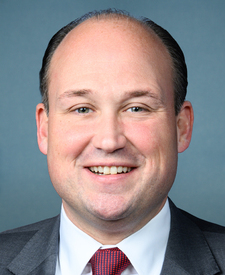
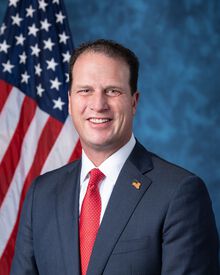
In CommitteeMr. Langworthy (for himself, Ms. Schrier, Mr. Baird, Ms. Pingree, …
Referred to the House Committee on Energy and Commerce.
Introduced in House
Stakeholder Effects
cui bono?How this legislation distributes effects. Mention counts reflect frequency, not effect magnitude.
Animal feed ingredient manufacturers, Feed label compliance staff, Livestock producers
FDA Center for Veterinary Medicine staff, FDA reviewers
Bill Structure & Actor Mappings
Who is "The Secretary" in each section?
We use a combination of our own taxonomy and classification in addition to large language models to assess meaning and potential beneficiaries. High confidence means strong textual evidence. Always verify with the original bill text.
Learn more about our methodology