Firearm Due Process Protection Act of 2025
Summary
What This Bill Does
The Firearm Due Process Protection Act of 2025 changes remedies for people challenging National Instant Criminal Background Check System records or firearm denial determinations. It amends 18 U.S.C. 925A so a person may sue if denied a firearm under section 922(s) or 922(t), or if aggrieved by violation of the Brady Act deadline for final disposition of record-correction requests. Courts must hold a hearing within 30 days after the action is brought. At that hearing, the respondent bears the burden of proving by clear and convincing evidence that the individual is ineligible to receive or possess a firearm. If the complainant substantially prevails, the court must assess reasonable attorney fees and litigation costs against the respondent. A complainant substantially prevails by obtaining relief through a judicial order, enforceable written agreement or consent decree, or a voluntary or unilateral change in position by the United States if the claim is not insubstantial. The FBI Director must report annually to the House and Senate Judiciary Committees on NICS record challenges received, processed to final disposition, reversed and not reversed by reason, and average processing time. Congress also states that keeping and bearing arms is a fundamental right and that ignoring NICS appeals violates due process.
Who Benefits and How
Firearm purchasers challenging NICS denials benefit from an expedited hearing within 30 days and a clear government burden of proof. People seeking correction of inaccurate NICS records benefit from a remedy when final disposition deadlines are violated. Gun-rights advocates benefit from attorney-fee and cost provisions that make litigation more practical when complainants substantially prevail. House and Senate Judiciary Committees benefit from annual FBI data on NICS challenge volume, reversals, reasons, and processing times. Courts benefit from explicit procedural rules for these challenges.
Who Bears the Burden and How
The Department of Justice and FBI NICS program must defend challenges, prove ineligibility by clear and convincing evidence, and pay attorney fees and costs when complainants substantially prevail. Federal courts must hold expedited hearings within 30 days. FBI reporting staff must prepare annual reports to the Judiciary Committees. Respondents in NICS litigation face stronger fee exposure and a higher evidentiary burden. Public-safety officials may face faster court review of denial determinations before records are fully developed.
Key Provisions
- Expands 18 U.S.C. 925A actions to cover Brady Act record-correction deadline violations.
- Requires courts to hold hearings within 30 days after a NICS challenge action is filed.
- Requires respondents to prove firearm ineligibility by clear and convincing evidence.
- Awards reasonable attorney fees and litigation costs to substantially prevailing complainants.
- Defines substantially prevailing to include court orders, consent decrees, enforceable agreements, and qualifying government position changes.
- Requires annual FBI reports on NICS challenge receipt, final disposition, reversals, non-reversals, reasons, and processing time.
- States congressional findings on Second Amendment due process and NICS appeal obligations.
Evidence Chain:
This summary is generated from the full bill text using AI analysis. Expand "Detailed Analysis" below for identified beneficiaries/burden bearers with clause-level evidence links.
At a Glance
What This Bill Does
Creates expedited federal court due-process remedies for people aggrieved by NICS record-correction delays or firearm denial determinations, requires a hearing within 30 days, shifts the burden to the government to prove ineligibility by clear and convincing evidence, awards attorney fees and costs to substantially prevailing complainants, and requires annual FBI reports on NICS challenge processing and reversals.
Key Policy Areas
Firearms, Courts, Justice
Primary Purpose
Creates expedited federal court due-process remedies for people aggrieved by NICS record-correction delays or firearm denial determinations, requires a hearing within 30 days, shifts the burden to the government to prove ineligibility by clear and convincing evidence, awards attorney fees and costs to substantially prevailing complainants, and requires annual FBI reports on NICS challenge processing and reversals.
Policy Domains
House resolution provisions
Identified Gains
- Firearm purchasers challenging NICS denials
- People seeking correction of NICS records
- Gun-rights advocates
- House Judiciary Committee
- Senate Judiciary Committee
- Federal courts
Identified Costs
- Department of Justice
- FBI NICS program
- Federal courts
- FBI reporting staff
- Respondents in NICS litigation
- Public-safety officials
Sponsors
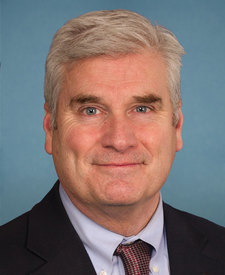


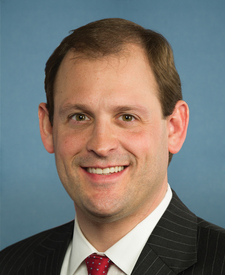

Legislative Progress
ReportedAdditional sponsors: Mr. Van Drew, Mr. Newhouse, Mr. Grothman, Mr. …
Reported with an amendment, committed to the Committee of the …
Placed on the Union Calendar, Calendar No. 290.
Reported (Amended) by the Committee on Judiciary. H. Rept. 119-338.
Committee Consideration and Mark-up Session Held
Ordered to be Reported (Amended) by Voice Vote.
Introduced in House
Referred to the House Committee on the Judiciary.
Mr. Emmer (for himself, Mr. Bean of Florida, Mr. Biggs …
Stakeholder Effects
cui bono?How this legislation distributes effects. Mention counts reflect frequency, not effect magnitude.
Department of Justice, FBI NICS program, Federal courts
Firearm purchasers challenging NICS denials, People seeking correction of NICS records
Bill Structure & Actor Mappings
Who is "The Secretary" in each section?
- "doj"
- → Department of Justice
- "fbi"
- → Federal Bureau of Investigation
- "nics"
- → National Instant Criminal Background Check System
We use a combination of our own taxonomy and classification in addition to large language models to assess meaning and potential beneficiaries. High confidence means strong textual evidence. Always verify with the original bill text.
Learn more about our methodology