Saving NEMO Act of 2025
Summary
What This Bill Does
The Saving NEMO Act creates a federal protective regime for marine reef species. Interior must designate CITES Appendix II marine reef species as covered coral reef species unless Interior, after consulting Commerce, finds within 90 days that take, import, and export do not pose substantial sustainability or ecosystem risk. Interior and Commerce may also jointly designate species after notice and comment if trade harms species sustainability, coral reef ecosystems, or survivorship in transport or captivity. Once covered, it is unlawful to take the species in U.S. waters, import it, export it, possess or sell it in commerce if unlawfully taken or imported, or attempt those acts. Exceptions exist for qualified management plans, cooperative breeding, aquaculture or mariculture, scientific or museum purposes, zoological breeding or display, and equivalent incidental take permits. Violations can bring civil penalties up to $25,000 per violation, criminal penalties, forfeiture of specimens and equipment, seizure authority, rewards for informants, and citizen suits after notice.
Who Benefits and How
Coral reef conservation organizations benefit because federal law would restrict collection and trade of vulnerable marine reef species. Marine reef ecosystems benefit from reduced take, import, export, and destructive collection pressure. Scientific researchers benefit from explicit exceptions for authorized scientific purposes and qualified management plans. Museum curators and zoological breeding programs benefit from lawful exceptions when the appropriate Secretary authorizes the activity.
Who Bears the Burden and How
Aquarium trade importers must avoid covered species unless an exception or authorization applies. Marine reef species collectors face take restrictions, destructive-collection certification requirements, and civil or criminal penalties. Interior Department staff must designate species, process removals, issue regulations, and enforce foreign trade restrictions. Commerce Department staff must act jointly with Interior on designations, domestic matters, enforcement, seizures, and forfeiture.
Key Provisions
- Requires designation of CITES Appendix II and other high-risk marine reef species as covered coral reef species.
- Prohibits take, import, export, sale, transport, possession, and attempted trade of covered coral reef species.
- Provides exceptions for qualified management plans, cooperative breeding, aquaculture, scientific use, museum use, and zoological display.
- Authorizes civil penalties up to $25,000 per violation, criminal penalties, seizures, forfeiture, rewards, and citizen suits.
Evidence Chain:
This summary is generated from the full bill text using AI analysis. Expand "Detailed Analysis" below for identified beneficiaries/burden bearers with clause-level evidence links.
At a Glance
What This Bill Does
Requires Interior and Commerce to designate covered coral reef species and bars take, import, export, sale, transport, and attempted trade of those species, with limited scientific, aquaculture, management-plan, and permit exceptions plus civil penalties, criminal penalties, forfeiture, rewards, seizures, and citizen suits.
Key Policy Areas
Wildlife, Marine Conservation, Trade, Enforcement
Primary Purpose
Requires Interior and Commerce to designate covered coral reef species and bars take, import, export, sale, transport, and attempted trade of those species, with limited scientific, aquaculture, management-plan, and permit exceptions plus civil penalties, criminal penalties, forfeiture, rewards, seizures, and citizen suits.
Policy Domains
Resolution provisions
Identified Gains
- Coral reef conservation organizations
- Marine reef ecosystems
- Scientific researchers
- Museum curators
Identified Costs
- Aquarium trade importers
- Marine reef species collectors
- Interior Department staff
- Commerce Department staff
Sponsors
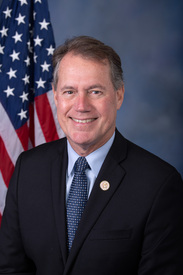

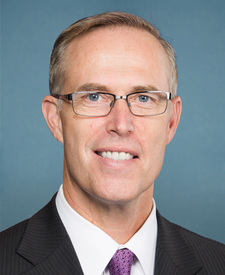
Legislative Progress
In CommitteeMr. Case (for himself and Mr. Huffman) introduced the following …
Referred to the Committee on Natural Resources, and in addition …
Introduced in House
Stakeholder Effects
cui bono?How this legislation distributes effects. Mention counts reflect frequency, not effect magnitude.
Coral reef conservation organizations, Marine reef ecosystems, Marine reef species collectors
Commerce Department staff, Interior Department staff
Bill Structure & Actor Mappings
Who is "The Secretary" in each section?
We use a combination of our own taxonomy and classification in addition to large language models to assess meaning and potential beneficiaries. High confidence means strong textual evidence. Always verify with the original bill text.
Learn more about our methodology