CHIP IN for Veterans Act of 2025
Summary
What This Bill Does
The CHIP IN for Veterans Act of 2025 updates the Communities Helping Invest through Property and Improvements Needed for Veterans Act of 2016. Instead of limiting the authority to donations of real property and improvements, the bill adds VA minor construction and nonrecurring maintenance projects as eligible donations. It changes multiple references from donation of a property or construction of a facility to broader donation language, adds maintaining to the design, alteration, and maintenance authority, and allows performance of minor construction or nonrecurring maintenance projects by private donors. It also extends the program's sunset date from December 16, 2026, to December 16, 2031. The practical effect is that private donors, veterans service organizations, philanthropic foundations, construction firms, hospital-support nonprofits, and community partners can help VA with smaller facility projects and maintenance work, not only larger donated property or improvements, for an additional five years.
Who Benefits and How
Veterans, VA patients, Department of Veterans Affairs medical centers, VA facility managers, veterans service organizations, philanthropic foundations, hospital-support nonprofits, construction contractors, maintenance contractors, local community donors, and communities with VA infrastructure backlogs benefit because the donation pathway can support minor construction and nonrecurring maintenance projects that may improve care settings or facility conditions without relying only on standard federal capital-project timing.
Who Bears the Burden and How
The Department of Veterans Affairs, VA facility planners, VA medical center administrators, VA Office of Construction and Facilities Management staff, VA lawyers, VA contracting officers, private donors, philanthropic foundations, construction contractors, maintenance contractors, and federal property managers must evaluate proposed donations, verify project standards, coordinate design, alteration, maintenance, and acceptance terms, integrate donated projects into VA facilities, and manage long-term operation or maintenance obligations through 2031.
Key Provisions
- Expands CHIP IN eligibility to include VA minor construction and nonrecurring maintenance projects.
- Modifies donation language throughout the 2016 statute so the authority covers projects as well as property and improvements.
- Adds maintaining to VA design, alteration, and maintenance authority for donated work.
- Extends the program termination date from December 16, 2026, to December 16, 2031.
- Provides a public-private donation pathway for VA facility improvements without making the program permanent in this text.
Evidence Chain:
This summary is generated from the full bill text using AI analysis. Expand "Detailed Analysis" below for identified beneficiaries/burden bearers with clause-level evidence links.
At a Glance
What This Bill Does
Expands the VA CHIP IN authority to cover donated minor construction and nonrecurring maintenance projects, broadens donation and maintenance language throughout the 2016 program statute, and extends the program's termination date from December 16, 2026, to December 16, 2031.
Key Policy Areas
Veterans, Federal Facilities, Public-Private Partnerships
Primary Purpose
Expands the VA CHIP IN authority to cover donated minor construction and nonrecurring maintenance projects, broadens donation and maintenance language throughout the 2016 program statute, and extends the program's termination date from December 16, 2026, to December 16, 2031.
Policy Domains
Substantive provisions
Identified Gains
- Veterans
- VA patients
- Department of Veterans Affairs medical centers
- VA facility managers
- Veterans service organizations
- Philanthropic foundations
- Hospital-support nonprofits
- Construction contractors
- Maintenance contractors
- Local community donors
Identified Costs
- Department of Veterans Affairs
- VA facility planners
- VA medical center administrators
- VA Office of Construction and Facilities Management staff
- VA lawyers
- VA contracting officers
- Private donors
- Construction contractors
- Maintenance contractors
Sponsors
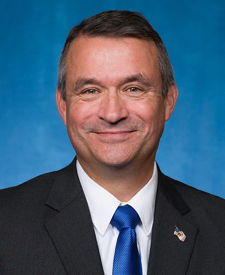
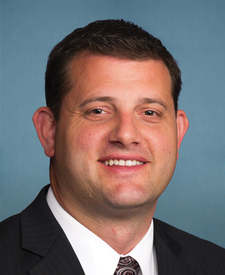

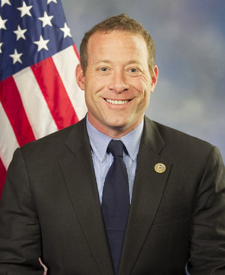
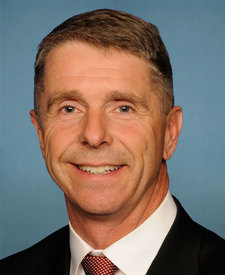
Legislative Progress
Passed HouseReceived; read twice and referred to the Committee on Veterans' …
Passed House (inferred from eh version)
Received in the Senate and Read twice and referred to …
On motion to suspend the rules and pass the bill, …
Motion to reconsider laid on the table Agreed to without …
Passed/agreed to in House: On motion to suspend the rules …
DEBATE - The House proceeded with forty minutes of debate …
Considered under suspension of the rules. (consideration: CR H2121-2123)
Mr. Bost moved to suspend the rules and pass the …
Additional sponsors: Mr. Gottheimer, Mr. Wittman, Mr. Valadao, Ms. Lee …
Stakeholder Effects
cui bono?How this legislation distributes effects. Mention counts reflect frequency, not effect magnitude.
Department of Veterans Affairs, Department of Veterans Affairs medical centers, VA facility planners
Positive-direction: Department of Veterans Affairs medical centers
Negative-direction: Department of Veterans Affairs, VA facility planners
Philanthropic foundations, Veterans service organizations
Construction contractors, Maintenance contractors
Bill Structure & Actor Mappings
Who is "The Secretary" in each section?
- "program"
- → CHIP IN authority
- "secretary"
- → Secretary of Veterans Affairs
We use a combination of our own taxonomy and classification in addition to large language models to assess meaning and potential beneficiaries. High confidence means strong textual evidence. Always verify with the original bill text.
Learn more about our methodology