To amend title 38, United States Code, to make permanent the pilot program authorized by the Communities Helping Invest through Property and Improvements Needed for Veterans Act of 2016, and for other purposes.
Sponsors
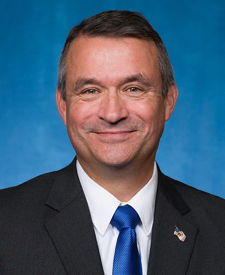
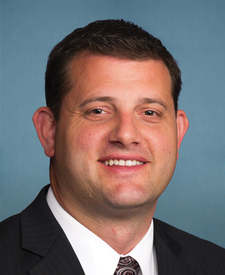

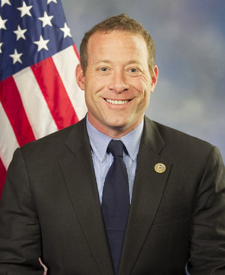
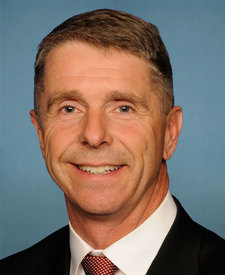
Legislative Progress
Passed HouseReceived; read twice and referred to the Committee on Veterans' …
Passed House (inferred from eh version)
Additional sponsors: Mr. Gottheimer, Mr. Wittman, Mr. Valadao, Ms. Lee …
Reported with an amendment, committed to the Committee of the …
Mr. Bacon introduced the following bill; which was referred to …
Summary
What This Bill Does
This bill makes permanent a pilot program that allows private organizations and donors to build facilities for the Department of Veterans Affairs (VA) and donate them to the government. Originally authorized in 2016, the CHIP IN (Communities Helping Invest through Property and Improvements Needed for Veterans) program was set to expire. This bill removes the expiration date and codifies the program permanently into federal law.
Who Benefits and How
Veterans benefit from faster construction of VA facilities since private donations can bypass slower government procurement processes. Private organizations, including construction companies, philanthropic foundations, and veterans' service organizations, gain a permanent pathway to donate facilities and improvements to the VA. This allows them to contribute to veterans' healthcare infrastructure without navigating temporary program restrictions.
Who Bears the Burden and How
The Department of Veterans Affairs takes on administrative responsibilities for accepting and maintaining donated facilities. The VA must evaluate proposed donations, ensure they meet federal standards, and integrate them into its existing infrastructure. Taxpayers may see indirect costs from maintaining donated facilities over time, though the upfront construction is privately funded.
Key Provisions
- Removes the expiration date (December 16, 2026) from the pilot program, making it permanent
- Strikes "pilot" designation throughout the law, establishing it as an ongoing program
- Transfers the program authority into Title 38 of the U.S. Code (Veterans' Benefits) as Section 8104A
- Allows private entities to donate both facilities AND related improvements (not just property) to the VA
- Creates a permanent legal framework for public-private partnerships in VA infrastructure
Evidence Chain:
This summary is derived from the structured analysis below. See "Detailed Analysis" for per-title beneficiaries/burden bearers with clause-level evidence links.
Primary Purpose
This bill makes permanent the pilot program authorized by the Communities Helping Invest through Property and Improvements Needed for Veterans Act of 2016, and for other purposes.
Policy Domains
Bill Structure & Actor Mappings
Who is "The Secretary" in each section?
- "the_secretary"
- → Secretary of Veterans Affairs
Note: The Secretary refers to Veterans Affairs in Title I but no specific department is mentioned
Key Definitions
Terms defined in this bill
A federal law that authorizes a pilot program to accept donated facilities and related improvements from private organizations
A bill to amend title 38, United States Code, to make permanent the pilot program authorized by the Communities Helping Invest through Property and Improvements Needed for Veterans Act of 2016
We use a combination of our own taxonomy and classification in addition to large language models to assess meaning and potential beneficiaries. High confidence means strong textual evidence. Always verify with the original bill text.
Learn more about our methodology