Count the Crimes to Cut Act
Summary
What This Bill Does
The Count the Crimes to Cut Act requires a public inventory of federal criminal law. Within one year, the Attorney General must report to the House and Senate Judiciary Committees every federal criminal statutory offense, the elements of each offense, the potential penalty, the number of Department of Justice prosecutions for each offense in each of the prior 15 years, and the mens rea requirement. Each listed federal agency, including departments such as Agriculture, Commerce, Education, Energy, Health and Human Services, Homeland Security, Treasury, and independent regulators such as the FTC, FCC, SEC, EPA, CFTC, FDIC, NLRB, NRC, SBA, and FHFA, must separately report the criminal regulatory offenses it enforces, the penalty for each violation, 15 years of referrals to DOJ, and each mens rea requirement. Within two years, DOJ and each agency must publish freely accessible online indexes of the offenses. The bill explicitly provides no new authorization of appropriations.
Who Benefits and How
Criminal defendants, criminal defense attorneys, regulated businesses, compliance officers, congressional judiciary committees, legal researchers, civil-liberties organizations, sentencing reform advocates, and journalists benefit from a searchable map of criminal statutory offenses and agency-enforced criminal regulations. The indexes can show where criminal exposure exists, whether prosecutions or referrals are common, and whether an offense requires proof of intent or knowledge.
Who Bears the Burden and How
The Department of Justice, Attorney General staff, Department of Agriculture legal offices, Department of Commerce enforcement staff, Department of Health and Human Services program lawyers, Department of Homeland Security enforcement offices, Securities and Exchange Commission staff, Federal Trade Commission staff, Environmental Protection Agency enforcement offices, Small Business Administration staff, and congressional report reviewers must compile offense elements, penalties, 15 years of prosecution or referral data, mens rea standards, public indexes, and website updates without a new appropriations authorization.
Key Provisions
- Requires DOJ to report all federal criminal statutory offenses, offense elements, penalties, 15 years of prosecutions, and mens rea requirements.
- Requires listed federal agencies to report all criminal regulatory offenses they enforce, penalties, 15 years of referrals to DOJ, and mens rea requirements.
- Requires DOJ and agency public online indexes of the reported criminal offenses within two years.
- Provides the reports to the House and Senate Judiciary Committees.
- Bars construing the section as requiring or authorizing new appropriations.
Evidence Chain:
This summary is generated from the full bill text using AI analysis. Expand "Detailed Analysis" below for identified beneficiaries/burden bearers with clause-level evidence links.
At a Glance
What This Bill Does
Requires the Attorney General and listed federal agencies to inventory federal statutory and regulatory crimes, report elements, penalties, 15 years of prosecution or referral counts, and mens rea requirements to the House and Senate Judiciary Committees, and publish free public offense indexes within two years without new appropriations.
Key Policy Areas
Criminal Justice, Government Transparency, Federal Administration
Primary Purpose
Requires the Attorney General and listed federal agencies to inventory federal statutory and regulatory crimes, report elements, penalties, 15 years of prosecution or referral counts, and mens rea requirements to the House and Senate Judiciary Committees, and publish free public offense indexes within two years without new appropriations.
Policy Domains
Substantive provisions
Identified Gains
- Criminal defendants
- Criminal defense attorneys
- Regulated businesses
- Compliance officers
- Congressional judiciary committees
- Legal researchers
- Civil-liberties organizations
- Journalists
Identified Costs
- Department of Justice
- Attorney General staff
- Department of Agriculture legal offices
- Department of Commerce enforcement staff
- Securities and Exchange Commission staff
- Federal Trade Commission staff
- Environmental Protection Agency enforcement offices
- Small Business Administration staff
Sponsors
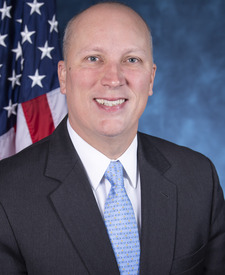

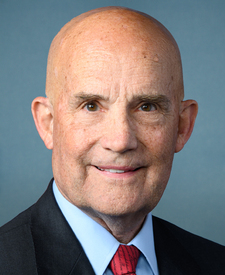
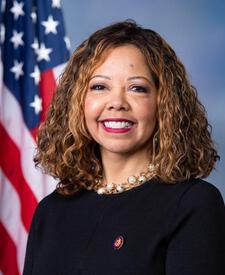
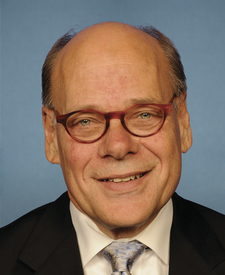
Legislative Progress
Passed HousePlaced on Senate Legislative Calendar under General Orders. Calendar No. …
Committee on the Judiciary. Reported by Senator Grassley without amendment. …
Reported by Mr. Grassley, without amendment
Committee on the Judiciary. Ordered to be reported without amendment …
Received; read twice and referred to the Committee on the …
Received in the Senate and Read twice and referred to …
Passed House (inferred from eh version)
Motion to reconsider laid on the table Agreed to without …
On motion to suspend the rules and pass the bill, …
Passed/agreed to in House: On motion to suspend the rules …
Stakeholder Effects
cui bono?How this legislation distributes effects. Mention counts reflect frequency, not effect magnitude.
Congressional judiciary committees, Department of Agriculture legal offices, Department of Justice
Positive-direction: Congressional judiciary committees
Negative-direction: Department of Agriculture legal offices, Department of Justice, Environmental Protection Agency enforcement offices, Federal Trade Commission staff, Securities and Exchange Commission staff
Small businesses subject to federal criminal regulations
Bill Structure & Actor Mappings
Who is "The Secretary" in each section?
- "agency_head"
- → head of each listed federal agency
- "the_attorney_general"
- → Attorney General
Key Definitions
Terms defined in this bill
A federal regulation enforceable by a criminal penalty.
A criminal offense under a federal statute.
We use a combination of our own taxonomy and classification in addition to large language models to assess meaning and potential beneficiaries. High confidence means strong textual evidence. Always verify with the original bill text.
Learn more about our methodology