TRACE Act
Summary
What This Bill Does
The TRACE Act adds a federal reporting requirement for missing persons and unidentified remains connected to federal land. Beginning in the second calendar year after enactment, and every January 15 after that, the Attorney General acting through the Director of the National Institute of Justice must report to the House and Senate Judiciary Committees. The report must cover the previous calendar year and count National Missing and Unidentified Persons System cases where the missing person's last known location was confirmed or suspected to be on federal land, disaggregated by the federal land management agency with jurisdiction, and cases where unidentified human remains were located on federal land, also disaggregated by the land management agency. The bill does not create a new search program; it creates recurring visibility into how many NamUs cases involve federal lands and which federal land managers are connected to those cases.
Who Benefits and How
Families of missing persons benefit from better public and congressional visibility into NamUs cases linked to federal land. Missing-person investigators benefit from annual data organized by federal land management agency. Federal land management agencies benefit from clearer case counts tied to their jurisdictions. Congressional judiciary committees benefit from recurring oversight data on missing-person and unidentified-remains cases.
Who Bears the Burden and How
The National Institute of Justice must compile annual NamUs reports by January 15. The Attorney General must submit reports to House and Senate Judiciary Committees. Federal land management agencies may face increased scrutiny when cases are disaggregated by jurisdiction. NamUs data administrators must support case categorization by confirmed or suspected federal land location and unidentified remains.
Key Provisions
- Requires annual Attorney General reports through the National Institute of Justice.
- Provides January 15 reporting beginning in the second calendar year after enactment.
- Requires counts of NamUs missing-person cases with confirmed or suspected last known location on federal land.
- Requires counts of unidentified remains located on federal land.
- Requires disaggregation by the federal land management agency with jurisdiction.
Evidence Chain:
This summary is generated from the full bill text using AI analysis. Expand "Detailed Analysis" below for identified beneficiaries/burden bearers with clause-level evidence links.
At a Glance
What This Bill Does
Requires the Attorney General, through the National Institute of Justice, to submit annual reports starting in the second calendar year after enactment on NamUs missing-person and unidentified-remains cases connected to federal land, disaggregated by federal land management agency.
Key Policy Areas
Missing Persons, Federal Lands, Justice
Primary Purpose
Requires the Attorney General, through the National Institute of Justice, to submit annual reports starting in the second calendar year after enactment on NamUs missing-person and unidentified-remains cases connected to federal land, disaggregated by federal land management agency.
Policy Domains
Resolution provisions
Identified Gains
- Families of missing persons
- Missing-person investigators
- Federal land management agencies
- Congressional judiciary committees
Identified Costs
- National Institute of Justice
- Attorney General
- Federal land management agencies
- NamUs data administrators
Sponsors



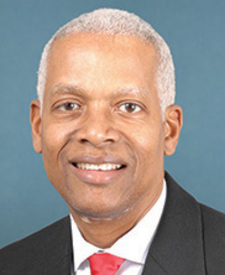
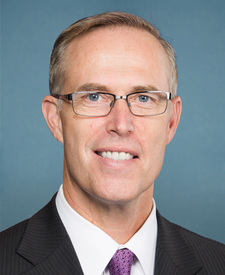
Legislative Progress
In CommitteeMr. Neguse (for himself, Mr. Burchett, Ms. Kelly of Illinois, …
Referred to the House Committee on the Judiciary.
Introduced in House
Stakeholder Effects
cui bono?How this legislation distributes effects. Mention counts reflect frequency, not effect magnitude.
Attorney General, Congressional judiciary committees, Federal land management agencies
Bill Structure & Actor Mappings
Who is "The Secretary" in each section?
We use a combination of our own taxonomy and classification in addition to large language models to assess meaning and potential beneficiaries. High confidence means strong textual evidence. Always verify with the original bill text.
Learn more about our methodology