Veteran Caregiver Reeducation, Reemployment, and Retirement Act
Summary
What This Bill Does
The Veteran Caregiver Reeducation, Reemployment, and Retirement Act expands support for people designated as primary providers of personal care services for veterans. It keeps eligible caregivers in VA medical-care coverage for 180 days after the caregiver designation is removed, unless the person was dismissed for fraud, abuse, or mistreatment or is entitled to Medicare Part A. It also adds transition services while the caregiver participates in the program and for 180 days afterward, including certification or relicensure reimbursement, free VA training modules for continuing professional education, access to Military OneSource, access to the Department of Labor Veterans' Employment and Training Service, VA employment programs, retirement planning services, bereavement counseling, and reports on transition support and retirement savings.
Who Benefits and How
Veteran family caregivers benefit from continued medical-care coverage and transition help after leaving the caregiver program. Former primary caregivers receive 180 days of medical-care coverage unless a statutory exclusion applies. Caregivers returning to paid employment benefit from fee reimbursement up to a $1,000 lifetime cap, free VA training modules, and access to Military OneSource, DOL VETS, and VA employment programs. Caregivers planning for retirement benefit from required study of retirement accounts or savings options.
Who Bears the Burden and How
The Department of Veterans Affairs must administer the 180-day coverage extension, employment assistance, training access, reimbursement cap, counseling services, and retirement-savings feasibility report. The DOL VETS program must be part of the employment-assistance pathway. The Government Accountability Office must report to Congress within two years on VA support for caregivers transitioning away from caregiving. The Treasury Department must consult with VA on retirement-plan feasibility.
Key Provisions
- Extends VA medical-care coverage for eligible former primary family caregivers for 180 days after removal from the program.
- Bars 180-day medical-care eligibility for caregivers removed for fraud, abuse, or mistreatment or entitled to Medicare Part A.
- Provides employment assistance, including certification or relicensure fee reimbursement up to a $1,000 lifetime maximum.
- Authorizes free VA training modules and access to Military OneSource, DOL VETS, and VA employment programs.
- Requires GAO to report on VA caregiver transition support within two years.
- Requires VA, in consultation with Treasury, to report on retirement-plan or retirement-savings options for family caregivers within one year.
Evidence Chain:
This summary is generated from the full bill text using AI analysis. Expand "Detailed Analysis" below for identified beneficiaries/burden bearers with clause-level evidence links.
At a Glance
What This Bill Does
Extends medical-care coverage and transition support for primary family caregivers of veterans by adding 180-day post-removal coverage unless removed for fraud, abuse, or mistreatment or enrolled in Medicare Part A, adding employment assistance, certification and relicensure reimbursement up to $1,000, free VA training modules, Military OneSource access, DOL VETS access, bereavement counseling, a GAO transition report, and a VA retirement-savings feasibility report.
Key Policy Areas
Veterans, Caregiving, Employment, Health Care
Primary Purpose
Extends medical-care coverage and transition support for primary family caregivers of veterans by adding 180-day post-removal coverage unless removed for fraud, abuse, or mistreatment or enrolled in Medicare Part A, adding employment assistance, certification and relicensure reimbursement up to $1,000, free VA training modules, Military OneSource access, DOL VETS access, bereavement counseling, a GAO transition report, and a VA retirement-savings feasibility report.
Policy Domains
House resolution provisions
Identified Gains
- Veteran family caregivers
- Former primary caregivers
- Caregivers returning to paid employment
- Caregivers planning for retirement
Identified Costs
- Department of Veterans Affairs
- DOL VETS program
- Government Accountability Office
- Treasury Department
Sponsors


Legislative Progress
ReportedOrdered to be Reported in the Nature of a Substitute …
Committee Consideration and Mark-up Session Held
Subcommittee on Health Discharged
Subcommittee Hearings Held
Referred to the Subcommittee on Health.
Introduced in House
Referred to the Committee on Veterans' Affairs, and in addition …
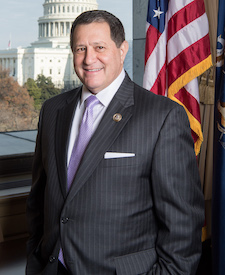
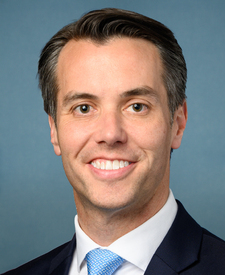
Mr. Morelle (for himself and Mr. Ciscomani) introduced the following …
Stakeholder Effects
cui bono?How this legislation distributes effects. Mention counts reflect frequency, not effect magnitude.
Government Accountability Office, Treasury Department
Bill Structure & Actor Mappings
Who is "The Secretary" in each section?
- "va"
- → Department of Veterans Affairs
- "gao"
- → Government Accountability Office
- "dol_vets"
- → Department of Labor Veterans' Employment and Training Service
- "treasury"
- → Department of the Treasury
We use a combination of our own taxonomy and classification in addition to large language models to assess meaning and potential beneficiaries. High confidence means strong textual evidence. Always verify with the original bill text.
Learn more about our methodology