Review Every Veterans Claim Act of 2025
Summary
What This Bill Does
The Review Every Veterans Claim Act changes how the Department of Veterans Affairs handles benefits claims, Board of Veterans' Appeals remands, and internal quality controls. VA could no longer deny a claim solely because a veteran did not attend a VA medical examination. The Secretary of Veterans Affairs must report annually on remanded claims, advanced Board docket motions, dismissed appeals including death- and suicide-related dismissals, and claim-processing timeliness. VA must issue guidelines for advancing cases on the Board docket and build technology that tracks continuously pursued claims, National Work Queue claims, expeditious-treatment claims, supplemental claims, Board remands, hearing delays, and first notices of death for benefit recipients. The Board of Veterans' Appeals must create a quality-assurance program that measures decision errors, court remands, vacated decisions, and unnecessary remands, and must train Board members using error data and feedback. VA also must notify Veterans Benefits Administration employees about avoidable deferrals and study where General Counsel opinions would improve consistency. The bill separately extends certain pension payment limitations through December 31, 2034.
Who Benefits and How
Veterans filing benefits claims benefit because a missed VA medical examination can no longer be the sole reason for denial, giving claimants protection from an automatic procedural loss. Veterans with remanded claims, supplemental claims, National Work Queue claims, and pending Board hearings benefit from expanded tracking, public reporting, and pressure for faster handling. Surviving families of benefit recipients benefit because VA must track first notices of death and distinguish cases involving fiduciaries. Congressional Veterans' Affairs Committees gain detailed annual reports on backlog, remand, docket-advancement, and Board-quality data. Board of Veterans' Appeals members benefit from clearer training and feedback loops tied to court remands and decision errors.
Who Bears the Burden and How
The Secretary of Veterans Affairs must issue guidelines, create tracking technology, submit annual reports, and coordinate data across VBA, the Board, and the National Work Queue. The Board of Veterans' Appeals must run quality assurance, notify decision drafters after court remands, train members, and report reasons for each remand. Veterans Benefits Administration adjudicators must receive and respond to avoidable-deferral notices and may face oversight when they do not comply with Board remands. VA General Counsel must study legal issues where formal opinions could improve claims consistency. VA information-technology staff must implement claim-tracking systems that cover multiple claim and appeal categories.
Key Provisions
- Prohibits VA from denying a benefits claim solely because the veteran failed to attend a VA medical examination.
- Requires annual VA reports on remanded claims, advanced docket motions, dismissed appeals, and claim-processing timeliness.
- Directs VA to issue Board docket-advancement guidelines and build technology to track specified claim and appeal categories.
- Creates a Board of Veterans' Appeals quality-assurance program focused on decision errors, court remands, vacated decisions, and unnecessary remands.
- Requires Board member training based on feedback, error data, and Court of Appeals for Veterans Claims remands.
- Requires VA policies to notify VBA employees of avoidable deferrals in the National Work Queue.
- Directs VA and General Counsel review of issues where formal opinions would improve consistency.
- Extends specified pension payment limitations through December 31, 2034.
Evidence Chain:
This summary is generated from the full bill text using AI analysis. Expand "Detailed Analysis" below for identified beneficiaries/burden bearers with clause-level evidence links.
At a Glance
What This Bill Does
Requires the Department of Veterans Affairs to stop denying benefits claims solely because a veteran missed a VA medical examination, expand reporting and tracking of remanded and delayed claims, create Board of Veterans' Appeals quality-assurance and training programs, notify VBA employees about avoidable deferrals, study issues for binding General Counsel opinions, and extend pension payment limitations through December 31, 2034.
Key Policy Areas
Veterans, Government Oversight, Administrative Law
Primary Purpose
Requires the Department of Veterans Affairs to stop denying benefits claims solely because a veteran missed a VA medical examination, expand reporting and tracking of remanded and delayed claims, create Board of Veterans' Appeals quality-assurance and training programs, notify VBA employees about avoidable deferrals, study issues for binding General Counsel opinions, and extend pension payment limitations through December 31, 2034.
Policy Domains
House resolution provisions
Identified Gains
- Veterans filing benefits claims
- Veterans with remanded claims
- Veterans with supplemental claims
- Surviving families of benefit recipients
- Congressional Veterans' Affairs Committees
- Board of Veterans' Appeals members
Identified Costs
- Secretary of Veterans Affairs
- Board of Veterans' Appeals
- Veterans Benefits Administration adjudicators
- VA General Counsel
- VA information-technology staff
Sponsors
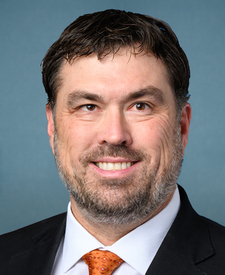
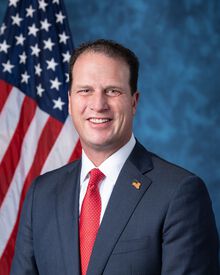



Legislative Progress
ReportedPlaced on the Union Calendar, Calendar No. 549.
Reported (Amended) by the Committee on Veterans' Affairs. H. Rept. …
Additional sponsors: Mr. Mills, Mr. Vindman, Mr. Neguse, Mr. Thompson …
Placed on the Union Calendar, Calendar No. 549.
Ordered to be Reported by Voice Vote.
Committee Consideration and Mark-up Session Held
Subcommittee on Disability Assistance and Memorial Affairs Discharged
Subcommittee Hearings Held
Referred to the Subcommittee on Disability Assistance and Memorial Affairs.
Introduced in House
Stakeholder Effects
cui bono?How this legislation distributes effects. Mention counts reflect frequency, not effect magnitude.
Board of Veterans' Appeals, Secretary of Veterans Affairs, Veterans Benefits Administration adjudicators
Positive-direction: Veterans filing benefits claims, Veterans with remanded claims
Negative-direction: Board of Veterans' Appeals, Secretary of Veterans Affairs, Veterans Benefits Administration adjudicators
Bill Structure & Actor Mappings
Who is "The Secretary" in each section?
- "va"
- → Department of Veterans Affairs
- "bva"
- → Board of Veterans' Appeals
- "vba"
- → Veterans Benefits Administration
- "cavc"
- → Court of Appeals for Veterans Claims
We use a combination of our own taxonomy and classification in addition to large language models to assess meaning and potential beneficiaries. High confidence means strong textual evidence. Always verify with the original bill text.
Learn more about our methodology