Safe Vehicle Access for Survivors Act
Summary
What This Bill Does
The Safe Vehicle Access for Survivors Act addresses abuse through connected car apps and vehicle data. A survivor who is at least 18 and experienced or allegedly experienced domestic violence, dating violence, sexual assault, stalking, sex trafficking, similar state or Tribal offenses, or similar Uniform Code of Military Justice conduct can ask a covered provider to terminate or disable an abuser's connected vehicle service access. Covered providers include motor vehicle manufacturers, affiliates, or entities acting for them that provide services allowing remote access to vehicle data or commands. Within two business days after a qualifying request, the provider must disable the abuser's account, reset or delete wireless connections or data, disable connected services, or provide information about an in-vehicle interface. Providers may not require fees, account extension, account-holder approval, or rate increases, and must deny abuser requests for post-termination data. Survivors must provide the VIN, abuser name, and proof of sole ownership, exclusive legal possession, or qualifying orders granting possession or restricting connected service abuse. Providers must keep survivor submissions confidential, dispose of them within 90 days except narrow verification records, provide public user-friendly request instructions, send confirmation and completion notices with safe opt-out alternatives, and may comply immediately but must comply within 180 days. State and local conflicting rules are preempted. FCC, in consultation with NHTSA, must issue a proposed rule within 180 days and final regulations within two years.
Who Benefits and How
Domestic violence survivors benefit because abusers can be cut off from connected vehicle location, data, and remote-command access within two business days. Stalking and trafficking survivors benefit from confidentiality, safe-notice choices, and denial of abuser access to post-termination vehicle data. Survivors with court orders or exclusive possession benefit from a defined request process using VIN, abuser identity, and possession proof. Vehicle owners using connected services benefit from FCC rules on safety, privacy, data access, and account-holder notices.
Who Bears the Burden and How
Motor vehicle manufacturers must create request workflows, disable access, reset data or connections, provide notices, and protect survivor records. Connected vehicle service providers must comply within 180 days and complete qualifying requests within two business days. Abusers lose account-holder access to connected vehicle data and services after a qualifying survivor request. FCC and NHTSA must conduct rulemaking on reporting, notification, data deletion, confidentiality, and account-holder safety notices.
Key Provisions
- Requires providers to disable an abuser's connected vehicle access within two business days after a qualifying survivor request.
- Requires survivors to provide VIN, abuser name, and ownership, possession, or protective-order documentation.
- Bars fees, rate increases, account extension, and account-holder approval as conditions for granting requests.
- Requires confidentiality, 90-day secure disposal, public instructions, confirmation emails, completion notices, and safe opt-out alternatives.
- Preempts conflicting state rules and directs FCC proposed rules within 180 days and final rules within two years.
Evidence Chain:
This summary is generated from the full bill text using AI analysis. Expand "Detailed Analysis" below for identified beneficiaries/burden bearers with clause-level evidence links.
At a Glance
What This Bill Does
Requires connected vehicle service providers to disable an abuser's access to a survivor's connected vehicle services within two business days after a qualifying request, protects survivor information, requires public notices and survivor communications, preempts conflicting state rules, and directs FCC rulemaking with NHTSA consultation.
Key Policy Areas
Consumer Protection, Domestic Violence, Connected Vehicles, Privacy
Primary Purpose
Requires connected vehicle service providers to disable an abuser's access to a survivor's connected vehicle services within two business days after a qualifying request, protects survivor information, requires public notices and survivor communications, preempts conflicting state rules, and directs FCC rulemaking with NHTSA consultation.
Policy Domains
Resolution provisions
Identified Gains
- Domestic violence survivors
- Stalking survivors
- Survivors with vehicle possession orders
- Connected vehicle users
Identified Costs
- Motor vehicle manufacturers
- Connected vehicle service providers
- Abusers with connected vehicle access
- Federal Communications Commission
Sponsors



Legislative Progress
In CommitteeForwarded by Subcommittee to Full Committee by Voice Vote.
Subcommittee Consideration and Mark-up Session Held
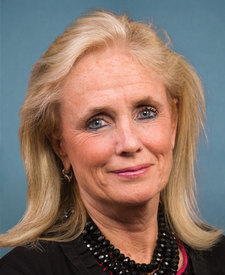
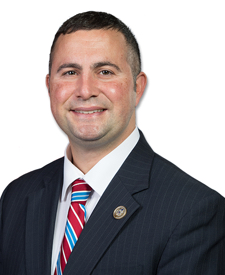
Mrs. Dingell (for herself, Mr. Crenshaw, Mr. Min, Mr. Thanedar, …
Referred to the Subcommittee on Commerce, Manufacturing, and Trade.
Referred to the House Committee on Energy and Commerce.
Introduced in House
Stakeholder Effects
cui bono?How this legislation distributes effects. Mention counts reflect frequency, not effect magnitude.
Abusers with connected vehicle access, Domestic violence survivors, Stalking survivors
Connected vehicle service providers, Motor vehicle manufacturers
Bill Structure & Actor Mappings
Who is "The Secretary" in each section?
We use a combination of our own taxonomy and classification in addition to large language models to assess meaning and potential beneficiaries. High confidence means strong textual evidence. Always verify with the original bill text.
Learn more about our methodology