Protecting Our Nation’s Capital Emergency Act
Summary
What This Bill Does
The Protecting Our Nation's Capital Emergency Act uses federal legislation to reverse parts of the District of Columbia's Comprehensive Policing and Justice Reform Amendment Act of 2022. The introduced version included findings about crime, homicides, motor-vehicle theft, and Metropolitan Police Department staffing losses; the House-passed text retains the operative repeal. It strikes subsection (c) from section 1708 of the District of Columbia Government Comprehensive Merit Personnel Act as amended by the 2022 reform law. It also repeals subtitle M of title I of the 2022 policing reform act and restores or revives any law that subtitle had amended or repealed as if subtitle M had never been enacted.
Who Benefits and How
District of Columbia Metropolitan Police Department officers, MPD union negotiators, police labor representatives, individual officers facing discipline, police recruitment officials, and supporters of police collective-bargaining rights benefit because discipline-related matters return to bargaining and prior disciplinary-case rules are revived. Law-enforcement workforce advocates gain a federal reversal of local rules they view as discouraging recruitment and retention.
Who Bears the Burden and How
The District of Columbia government, the DC Office of Police Complaints, MPD disciplinary authorities, police-accountability advocates, civilian oversight supporters, District labor-relations staff, and local reform backers must operate under the restored framework, lose the repealed subtitle M reforms, revisit disciplinary timelines, and absorb the legal and administrative work of unwinding the 2022 provisions.
Key Provisions
- Repeals the District policing-reform subsection that limited collective bargaining over MPD discipline matters.
- Repeals subtitle M of title I of the Comprehensive Policing and Justice Reform Amendment Act of 2022.
- Restores any District law amended or repealed by subtitle M as though that subtitle had not been enacted.
- Uses federal authority over the District of Columbia to reverse specific local police-discipline reforms.
Evidence Chain:
This summary is generated from the full bill text using AI analysis. Expand "Detailed Analysis" below for identified beneficiaries/burden bearers with clause-level evidence links.
At a Glance
What This Bill Does
Repeals District of Columbia policing-reform provisions so Metropolitan Police Department discipline matters can again be negotiated through collective bargaining and prior disciplinary-case limitations are restored.
Key Policy Areas
Law Enforcement, Labor, District of Columbia
Primary Purpose
Repeals District of Columbia policing-reform provisions so Metropolitan Police Department discipline matters can again be negotiated through collective bargaining and prior disciplinary-case limitations are restored.
Policy Domains
Substantive provisions
Identified Gains
- District of Columbia Metropolitan Police Department officers
- MPD union negotiators
- Police labor representatives
- Individual officers facing discipline
- Police recruitment officials
- Supporters of police collective-bargaining rights
Identified Costs
- District of Columbia government
- DC Office of Police Complaints
- MPD disciplinary authorities
- Police-accountability advocates
- Civilian oversight supporters
- District labor-relations staff
- Local reform backers
Sponsors
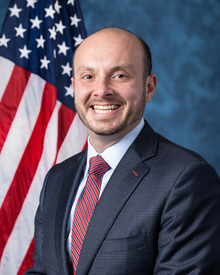


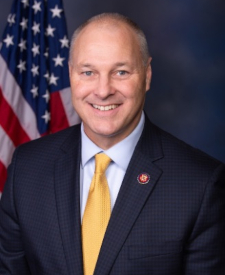
Legislative Progress
Passed HouseReceived; read twice and referred to the Committee on Homeland …
Passed House (inferred from eh version)
Received in the Senate and Read twice and referred to …
Motion to reconsider laid on the table Agreed to without …
On passage Passed by the Yeas and Nays: 235 - …
Passed/agreed to in House: On passage Passed by the Yeas …
Considered as unfinished business. (consideration: CR H2600-2601)
POSTPONED PROCEEDINGS - At the conclusion of debate on H.R. …
The previous question was ordered pursuant to the rule.
DEBATE - The House proceeded with one hour of debate …
Stakeholder Effects
cui bono?How this legislation distributes effects. Mention counts reflect frequency, not effect magnitude.
District of Columbia Metropolitan Police Department officers, Individual MPD officers facing discipline, MPD disciplinary authorities
Positive-direction: District of Columbia Metropolitan Police Department officers, Individual MPD officers facing discipline, Police recruitment officials
Negative-direction: MPD disciplinary authorities
On Passage
Protecting Our Nation’s Capital Emergency Act
Bill Structure & Actor Mappings
Who is "The Secretary" in each section?
- "mpd"
- → Metropolitan Police Department of the District of Columbia
We use a combination of our own taxonomy and classification in addition to large language models to assess meaning and potential beneficiaries. High confidence means strong textual evidence. Always verify with the original bill text.
Learn more about our methodology