Chesapeake Bay Conservation Acceleration Act of 2025
Analysis under review: This bill has generated analysis that may be too generic or incomplete. Clause-level evidence remains available below.
Summary
What This Bill Does
This bill is a multi-pronged effort to accelerate conservation in the Chesapeake Bay watershed, the largest estuary in the United States. It creates a new USDA Chesapeake Bay States Partnership Initiative to fund farm conservation practices that reduce nutrient and sediment pollution; expands the Conservation Reserve Enhancement Program (CREP) with streamlined enrollment, higher payment caps, and a turnkey pilot where the government handles all costs and paperwork for installing forested riparian buffers; authorizes M/year for agricultural workforce development at community colleges and vocational schools; gives NRCS direct hire authority to speed up staffing; and transfers inspection of wild-caught invasive catfish in the Chesapeake Bay from USDA to FDA to reduce regulatory barriers to harvesting invasive species.
Who Benefits and How
Farmers in the six-state Chesapeake Bay watershed gain prioritized access to conservation funding, streamlined CREP enrollment, and a turnkey pilot that eliminates out-of-pocket costs for riparian buffer installation. Community colleges and vocational schools gain eligibility for USDA agricultural education grants with paid work-based learning. NRCS can hire conservation staff faster. Commercial catfish harvesters benefit from reduced inspection burdens for invasive blue and flathead catfish. The Chesapeake Bay ecosystem benefits from reduced nutrient pollution and incentivized removal of invasive catfish species.
Who Bears the Burden and How
The federal budget bears the costs of multiple new programs: the conservation initiative, M/year in education grants, and raised EQIP payment caps from K to K. USDA must administer the new initiative, task force, and turnkey pilot. FDA takes on new inspection duties for wild-caught invasive catfish. States and EPA must participate in a joint conservation crediting task force.
Evidence Chain:
This summary is generated from the full bill text using AI analysis. Expand "Detailed Analysis" below for identified beneficiaries/burden bearers.
At a Glance
What This Bill Does
Accelerates conservation efforts in the Chesapeake Bay watershed through a new USDA partnership initiative, expanded conservation reserve programs, a turnkey pilot for riparian buffer installation, agricultural workforce development funding, NRCS direct hire authority, and regulatory reform for wild-caught invasive catfish inspection
Key Policy Areas
Agriculture, Environment, Education
Primary Purpose
Accelerates conservation efforts in the Chesapeake Bay watershed through a new USDA partnership initiative, expanded conservation reserve programs, a turnkey pilot for riparian buffer installation, agricultural workforce development funding, NRCS direct hire authority, and regulatory reform for wild-caught invasive catfish inspection
Policy Domains
Invasive Catfish Regulatory Transfer (Section 7)
Identified Gains
Contextual inference, no direct clause citation- Commercial catfish harvesters in Chesapeake Bay (reduced regulatory burden)
- Chesapeake Bay ecosystem (incentivized removal of invasive species)
- Consumers of wild-caught catfish (lower costs from streamlined inspection)
Contextual inference, no direct clause citation
Identified Costs
Contextual inference, no direct clause citation- FDA (new inspection responsibility)
- USDA (must execute MOU within 90 days, issue regulations within 180 days)
Contextual inference, no direct clause citation
NRCS Direct Hire Authority (Section 6)
Identified Gains
Contextual inference, no direct clause citation- NRCS (faster hiring of technical staff)
- Conservation program participants (more timely technical assistance)
Contextual inference, no direct clause citation
Identified Costs
Contextual inference, no direct clause citation- OPM (reduced oversight of NRCS hiring process)
Contextual inference, no direct clause citation
Agricultural Workforce Development (Section 5)
Identified Gains
Contextual inference, no direct clause citation- Community colleges and vocational institutions (new grant eligibility)
- Students pursuing agricultural careers (paid work-based learning)
- Rural communities (workforce development)
Contextual inference, no direct clause citation
Identified Costs
Contextual inference, no direct clause citation- Federal budget (M/year authorization FY2026-2031)
Contextual inference, no direct clause citation
Chesapeake Bay Conservation & Agriculture Programs (Sections 2-4)
Identified Gains
Contextual inference, no direct clause citation- Agricultural producers in the Chesapeake Bay watershed (conservation funding, streamlined enrollment)
- Chesapeake Bay ecosystem (nutrient and sediment reduction)
- States in the watershed (credited conservation investments)
- Environmental organizations focused on Chesapeake restoration
Contextual inference, no direct clause citation
Identified Costs
Contextual inference, no direct clause citation- USDA (new initiative administration, task force)
- EPA (joint task force participation)
- Federal budget (raised EQIP payment cap from K to K)
Contextual inference, no direct clause citation
Sponsors


Legislative Progress
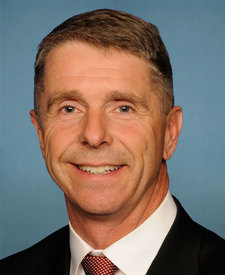
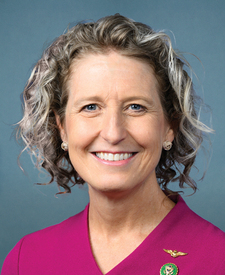
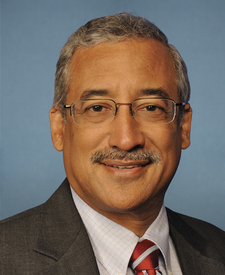
In CommitteeMr. Wittman (for himself, Mr. Scott of Virginia, Mrs. Kiggans …
Referred to the House Committee on Agriculture.
Introduced in House
Stakeholder Effects
cui bono?How this legislation distributes effects. Mention counts reflect frequency, not effect magnitude.
FDA, Natural Resources Conservation Service, Office of Personnel Management
Positive-direction: Natural Resources Conservation Service, Office of Personnel Management, USDA meat inspection program
Negative-direction: FDA, USDA, USDA (NRCS and Farm Service Agency), USDA and EPA
Chesapeake Bay ecosystem, Chesapeake Bay watershed water quality, Conservation technical professionals seeking federal employment
Agricultural producers enrolled in conservation programs, Agricultural producers in Chesapeake Bay watershed, Landowners with eligible riparian land in Chesapeake Bay watershed
Community colleges and vocational institutions, Students pursuing agricultural and rural development careers
Commercial harvesters of invasive catfish in Chesapeake Bay
States in Chesapeake Bay watershed (DE, MD, NY, PA, VA, WV, DC)
Bill Structure & Actor Mappings
Who is "The Secretary" in each section?
- "task_force"
- → Task Force on Crediting Chesapeake Bay Conservation Investments (new, joint USDA-EPA)
- "the_secretary"
- → Secretary of Agriculture
- "epa_administrator"
- → Administrator of the Environmental Protection Agency
- "the_secretary"
- → Secretary of Agriculture
- "the_secretary"
- → Secretary of Agriculture
- "commissioner"
- → Commissioner of Food and Drugs (FDA)
- "the_secretary"
- → Secretary of Agriculture
Key Definitions
Terms defined in this bill
We use a combination of our own taxonomy and classification in addition to large language models to assess meaning and potential beneficiaries. High confidence means strong textual evidence. Always verify with the original bill text.
Learn more about our methodology