Rights for the TSA Workforce Act
Summary
What This Bill Does
The Rights for the TSA Workforce Act moves Transportation Security Administration covered employees toward standard federal civil-service protections. On enactment, TSA may not modify existing covered personnel systems or create new ones under the Aviation and Transportation Security Act personnel authorities, and title 5 human resources authority terminates for covered TSA positions except for pay and locality adjustments. Covered employees are converted to title 5 pay, leave, classification, performance, adverse-action, appeal, and labor-management rules without reductions in adjusted basic pay or law-enforcement availability pay. Years in TSA pay bands count toward equivalent General Schedule steps, and the Secretary must propose annuity rules for employees retiring within three years after conversion. Chapter 71 collective-bargaining rights apply, the FLRA-certified screening-agent union is treated as exclusive representative unless employees choose another, national bargaining may be supplemented locally, and negotiated grievance procedures can cover adverse actions and appeals. The bill preserves federal no-strike laws. It also requires a plan to harmonize transportation security card and TSA employment background-check restrictions, multiple GAO reviews on recruitment, conversion implementation, equity and senior leadership demographics, communication with Federal Air Marshal organizations about mental health, suicide rates, morale, recruitment, equipment, training, and schedules, a briefing on assaults and threats against screening agents since January 1, 2019, annual workforce reports on morale and retention, and such sums as necessary.
Who Benefits and How
TSA screening officers benefit from title 5 pay, appeal, labor-management, leave, classification, and adverse-action protections. Federal Air Marshals benefit because TSA must consult representative organizations about mental health, suicide rates, morale, recruitment, equipment, training, and schedules. TSA labor organizations benefit from statutory collective-bargaining recognition and national bargaining rights. Veteran and military-family applicants benefit from GAO review of TSA recruitment efforts aimed at veterans, dependents, service members, and military dependents.
Who Bears the Burden and How
TSA management must convert covered employees, preserve pay, adjust classification and appeals systems, bargain nationally, and report annually on morale and retention. The Department of Homeland Security must prescribe conversion rules, propose annuity treatment, and harmonize background-check restrictions. GAO must conduct recruitment, conversion, and workforce-equity reviews. Federal taxpayers bear the cost of pay conversion, implementation, collective-bargaining administration, reporting, and authorized appropriations.
Key Provisions
- Converts covered TSA employees from TSA personnel systems to title 5 civil-service rules.
- Protects adjusted basic pay, law-enforcement availability pay, and pay-band service credit during conversion.
- Provides collective-bargaining rights while preserving federal no-strike laws.
- Requires background-check harmonization, GAO workforce reviews, Federal Air Marshal consultation, assault briefings, and annual workforce reports.
- Authorizes such sums as necessary to implement the workforce conversion.
Evidence Chain:
This summary is generated from the full bill text using AI analysis. Expand "Detailed Analysis" below for identified beneficiaries/burden bearers with clause-level evidence links.
At a Glance
What This Bill Does
Converts TSA covered employees from TSA-specific personnel systems into title 5 civil-service pay, leave, classification, appeal, and collective-bargaining systems, preserves pay during conversion, requires workforce and safety reviews, addresses Federal Air Marshal concerns, and authorizes necessary appropriations.
Key Policy Areas
Transportation Security, Federal Workforce, Labor Rights
Primary Purpose
Converts TSA covered employees from TSA-specific personnel systems into title 5 civil-service pay, leave, classification, appeal, and collective-bargaining systems, preserves pay during conversion, requires workforce and safety reviews, addresses Federal Air Marshal concerns, and authorizes necessary appropriations.
Policy Domains
Resolution provisions
Identified Gains
- TSA screening officers
- Federal Air Marshals
- TSA labor organizations
- Veteran TSA applicants
Identified Costs
- Transportation Security Administration management
- Department of Homeland Security
- GAO
- Federal taxpayers
Sponsors



Legislative Progress
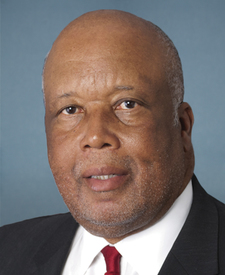
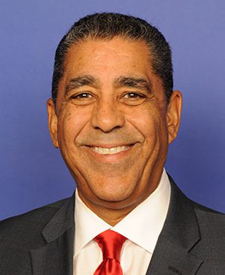
In CommitteeMr. Thompson of Mississippi (for himself, Mr. Connolly, Ms. DeLauro, …
Referred to the Subcommittee on Transportation and Maritime Security.
Referred to the Committee on Homeland Security, and in addition …
Introduced in House
Stakeholder Effects
cui bono?How this legislation distributes effects. Mention counts reflect frequency, not effect magnitude.
Department of Homeland Security, GAO, Transportation Security Administration management
Bill Structure & Actor Mappings
Who is "The Secretary" in each section?
We use a combination of our own taxonomy and classification in addition to large language models to assess meaning and potential beneficiaries. High confidence means strong textual evidence. Always verify with the original bill text.
Learn more about our methodology