Protecting Life and Integrity in Research Act of 2025
Summary
What This Bill Does
The Protecting Life and Integrity in Research Act cuts off federal support for research involving human fetal tissue obtained through induced abortion. No federal department, agency, or office may conduct, fund, approve, or otherwise support such research. The bill preserves authority to develop new high-efficiency cell lines, including vaccine and genetic-vector production lines, if they are not derived from induced-abortion fetal tissue. It also allows research using human fetal tissue obtained after miscarriage or stillbirth under revised Public Health Service Act section 498A, retitling that section and redefining human fetal tissue, miscarriage, stillbirth, and unborn child. A second section amends section 498B to prohibit solicitation or knowing acquisition, receipt, or acceptance of fetal tissue when a pregnancy was deliberately initiated to provide tissue or when the tissue was obtained through induced abortion, excluding transfers for autopsy or burial.
Who Benefits and How
Anti-abortion research opponents benefit because federal agencies may not support induced-abortion fetal tissue research. Miscarriage and stillbirth tissue researchers benefit because the bill preserves and clarifies federal support for those sources. Cell-line developers benefit from an express path for new high-efficiency lines that are not derived from induced-abortion fetal tissue. Taxpayers opposed to induced-abortion fetal tissue research benefit from a federal funding and approval prohibition.
Who Bears the Burden and How
Biomedical researchers using induced-abortion fetal tissue lose federal funding, approval, and support pathways. NIH grant administrators must screen research proposals and tissue sources under the revised Public Health Service Act rules. Federal research agencies must distinguish induced-abortion tissue from miscarriage or stillbirth tissue. Tissue procurement organizations face tighter prohibitions on soliciting or accepting covered fetal tissue donations.
Key Provisions
- Bars federal agencies from conducting, funding, approving, or supporting research using induced-abortion fetal tissue.
- Provides an exception for high-efficiency cell lines not derived from induced-abortion fetal tissue.
- Amends federal rules for research using tissue obtained after miscarriage or stillbirth.
- Prohibits solicitation or knowing acquisition, receipt, or acceptance of induced-abortion fetal tissue donations.
Evidence Chain:
This summary is generated from the full bill text using AI analysis. Expand "Detailed Analysis" below for identified beneficiaries/burden bearers with clause-level evidence links.
At a Glance
What This Bill Does
Prohibits federal agencies from conducting, funding, approving, or supporting research using human fetal tissue obtained through induced abortion, preserves support for non-abortion-derived cell lines and miscarriage or stillbirth tissue research, and bars solicitation or knowing acceptance of induced-abortion fetal tissue donations.
Key Policy Areas
Biomedical Research, Abortion, Federal Grants, Public Health
Primary Purpose
Prohibits federal agencies from conducting, funding, approving, or supporting research using human fetal tissue obtained through induced abortion, preserves support for non-abortion-derived cell lines and miscarriage or stillbirth tissue research, and bars solicitation or knowing acceptance of induced-abortion fetal tissue donations.
Policy Domains
Resolution provisions
Identified Gains
- Anti-abortion research opponents
- Miscarriage tissue researchers
- Stillbirth tissue researchers
- Cell-line developers
Identified Costs
- Biomedical researchers using induced-abortion fetal tissue
- NIH grant administrators
- Federal research agencies
- Tissue procurement organizations
Sponsors


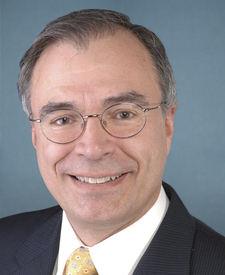


Legislative Progress
In CommitteeMr. Onder (for himself, Mr. Smith of New Jersey, Mr. …
Referred to the House Committee on Energy and Commerce.
Introduced in House
Stakeholder Effects
cui bono?How this legislation distributes effects. Mention counts reflect frequency, not effect magnitude.
Biomedical researchers using induced-abortion fetal tissue, Miscarriage tissue researchers
Bill Structure & Actor Mappings
Who is "The Secretary" in each section?
We use a combination of our own taxonomy and classification in addition to large language models to assess meaning and potential beneficiaries. High confidence means strong textual evidence. Always verify with the original bill text.
Learn more about our methodology