POWER Act
Summary
What This Bill Does
The POWER Act makes it harder for federal officials to breach or retire federally operated hydropower dams. The Secretary of the Army may not breach a federally operated dam if the breach would increase carbon emissions by more than 5 percent, make the affected water body less navigable for commercial interests, increase product prices, including agricultural shipping costs, by at least 5 percent, or require a replacement energy resource occupying at least 5 percent more land than the dam. Those determinations require consultation with the Energy, Transportation, Agriculture, and Commerce Secretaries and relevant state agencies, plus an Interior-coordinated study of dam acreage. The bill separately bars the Secretary of the Interior for Bureau of Reclamation dams and the Secretary of the Army for Army Corps dams from retiring a hydropower generation source if retirement would raise customer electricity rates by more than 5 percent or reduce energy reliability by more than 5 percent in Washington, Oregon, Idaho, Montana, Wyoming, or California, as determined by Bonneville Power Administration. If a source is retired, 100 percent of its baseload generation must be replaced within 30 days.
Who Benefits and How
Hydropower customers in the Pacific Northwest benefit from protections against dam retirement that would raise rates or reduce reliability by more than five percent. Agricultural shippers benefit because dam breaches are barred when product shipping prices would rise by at least five percent. Commercial navigation users benefit because the Army Secretary must consider whether breaching would make waterways less navigable. Bonneville Power Administration planners benefit from statutory authority to assess regional reliability impacts before retirement.
Who Bears the Burden and How
The Army Corps of Engineers faces limits on breaching dams and must consult multiple agencies before determining impacts. The Bureau of Reclamation faces limits on retiring federally operated hydropower sources in the covered western states. Dam removal advocates lose federal options when emissions, navigation, cost, land-use, rate, or reliability thresholds are triggered. Federal hydropower managers must replace 100 percent of retired baseload generation within 30 days if a retirement proceeds.
Key Provisions
- Bars federally operated dam breaches that would increase emissions by more than five percent.
- Bars breaches that would reduce commercial navigability or raise shipped-product prices by at least five percent.
- Requires interagency consultation and acreage analysis before considering a federal dam breach.
- Prohibits hydropower retirement when rates or western-state reliability would worsen by more than five percent.
- Requires full replacement of retired baseload generation within 30 days.
Evidence Chain:
This summary is generated from the full bill text using AI analysis. Expand "Detailed Analysis" below for identified beneficiaries/burden bearers with clause-level evidence links.
At a Glance
What This Bill Does
Prohibits breaching federally operated dams when specified emissions, navigation, shipping-cost, or replacement-land thresholds are triggered, and bars retirement of federal hydropower generation sources if rates or reliability would worsen by more than five percent unless baseload generation is fully replaced within 30 days.
Key Policy Areas
Energy, Hydropower, Navigation, Agriculture
Primary Purpose
Prohibits breaching federally operated dams when specified emissions, navigation, shipping-cost, or replacement-land thresholds are triggered, and bars retirement of federal hydropower generation sources if rates or reliability would worsen by more than five percent unless baseload generation is fully replaced within 30 days.
Policy Domains
Resolution provisions
Identified Gains
- Hydropower customers
- Agricultural shippers
- Commercial navigation users
- Bonneville Power Administration planners
Identified Costs
- Army Corps of Engineers
- Bureau of Reclamation
- Dam removal advocates
- Federal hydropower managers
Sponsors

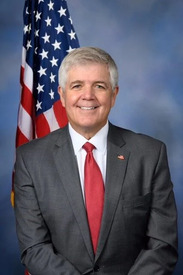

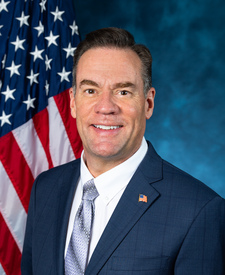
Legislative Progress
In CommitteeMr. Newhouse (for himself, Mr. Baumgartner, Mr. Fulcher, and Mr. …
Referred to the Subcommittee on Water Resources and Environment.
Referred to the Committee on Transportation and Infrastructure, and in …
Introduced in House
Stakeholder Effects
cui bono?How this legislation distributes effects. Mention counts reflect frequency, not effect magnitude.
Bonneville Power Administration planners
Bill Structure & Actor Mappings
Who is "The Secretary" in each section?
We use a combination of our own taxonomy and classification in addition to large language models to assess meaning and potential beneficiaries. High confidence means strong textual evidence. Always verify with the original bill text.
Learn more about our methodology