Veterans Patient Advocacy Act
Summary
What This Bill Does
The Veterans Patient Advocacy Act targets a practical access gap in VA health care. It amends title 38 section 7309A so the VA patient advocacy program must ensure rural veterans can access patient advocate services. The bill specifically points to assigning patient advocates to rural community-based outpatient clinics when practicable, so rural veterans do not have to navigate complaints, care coordination, eligibility questions, or facility concerns only through larger VA medical centers. The Secretary of Veterans Affairs must implement the change within two years, and GAO must report to the House and Senate Veterans' Affairs Committees within two years evaluating implementation.
Who Benefits and How
Rural veterans benefit because patient advocate services must be available to them, including through community-based outpatient clinics when practicable. Veterans using rural CBOCs benefit from closer help resolving care access, scheduling, benefits, and quality concerns. VA patient advocates benefit from clearer statutory responsibility for serving rural facilities. Congressional veterans committees benefit from a GAO implementation report within two years.
Who Bears the Burden and How
The Department of Veterans Affairs must implement rural patient-advocate access across the VA system within two years. Rural VA clinic administrators must support patient advocate access or assignment when practicable. VA medical center directors must coordinate advocates beyond main campuses to community-based outpatient clinics. GAO must evaluate VA implementation and report to Congress.
Key Provisions
- Requires VA to ensure rural veterans can access patient advocate services.
- Directs practicable assignment of patient advocates to rural community-based outpatient clinics.
- Provides a two-year implementation deadline for the Veterans Health Administration.
- Requires GAO to evaluate implementation for congressional veterans committees within two years.
Evidence Chain:
This summary is generated from the full bill text using AI analysis. Expand "Detailed Analysis" below for identified beneficiaries/burden bearers with clause-level evidence links.
At a Glance
What This Bill Does
Requires VA to ensure rural veterans can access patient advocates, including practicable assignment of advocates to rural community-based outpatient clinics, with implementation and GAO evaluation due within two years.
Key Policy Areas
Veterans, Rural Health, Patient Advocacy
Primary Purpose
Requires VA to ensure rural veterans can access patient advocates, including practicable assignment of advocates to rural community-based outpatient clinics, with implementation and GAO evaluation due within two years.
Policy Domains
Resolution provisions
Identified Gains
- Rural veterans
- Veterans using rural CBOCs
- VA patient advocates
- Congressional veterans committees
Identified Costs
- Department of Veterans Affairs
- Rural VA clinic administrators
- VA medical center directors
- GAO
Sponsors

Legislative Progress
In CommitteeSubcommittee Hearings Held
Referred to the Subcommittee on Health.
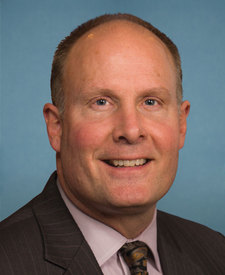
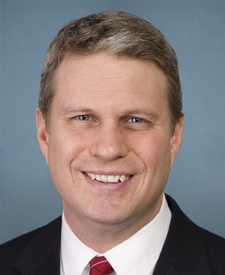
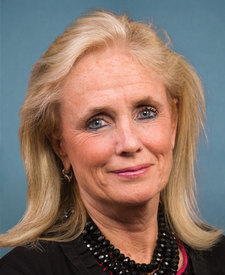
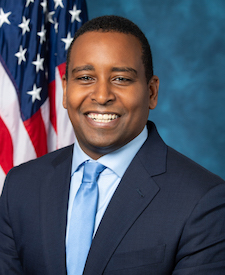
Mr. Moolenaar (for himself and Mrs. Dingell) introduced the following …
Referred to the House Committee on Veterans' Affairs.
Introduced in House
Stakeholder Effects
cui bono?How this legislation distributes effects. Mention counts reflect frequency, not effect magnitude.
Rural VA clinic administrators, VA patient advocates
Bill Structure & Actor Mappings
Who is "The Secretary" in each section?
We use a combination of our own taxonomy and classification in addition to large language models to assess meaning and potential beneficiaries. High confidence means strong textual evidence. Always verify with the original bill text.
Learn more about our methodology