To prohibit the issuance of licenses for the exportation of certain defense articles to the United Arab Emirates, and for other purposes.
Summary
What This Bill Does
This bill uses arms-export licensing leverage against the United Arab Emirates over Sudan. Beginning on enactment, the President may not sell or authorize export licenses for covered defense articles to the UAE or any UAE agency or instrumentality. The restriction lasts until the President certifies to the House Foreign Affairs Committee and Senate Foreign Relations Committee that the UAE is not providing materiel support to the Rapid Support Forces in Sudan. Covered defense articles are defined by United States Munitions List Categories I, II, III, IV, V, VI, VII, VIII, XIV, XVI, XVII, and XVIII, covering a wide range of firearms, artillery, ammunition, military vehicles, aircraft-related articles, toxicological agents, spacecraft, and directed-energy items.
Who Benefits and How
Sudanese civilians benefit if restricting U.S. defense exports pressures the UAE to stop support for the Rapid Support Forces. Human rights advocates benefit from a statutory arms-control tool linked to the Sudan conflict. Congressional foreign-affairs committees benefit because the bill requires a presidential certification before sales can resume. Arms-control oversight staff benefit from a clear covered-category list tied to the U.S. Munitions List.
Who Bears the Burden and How
United Arab Emirates defense agencies lose access to covered U.S. defense articles unless the certification is made. U.S. defense exporters lose potential UAE sales or license approvals for covered articles during the prohibition. The President and State Department export-control officials must block sales and licenses until the statutory certification standard is met. UAE-backed procurement programs face schedule and capability risk if covered U.S. articles are unavailable.
Key Provisions
- Bars sales or export licenses for covered defense articles to the United Arab Emirates after enactment.
- Requires presidential certification that the UAE is not providing materiel support to the Rapid Support Forces in Sudan.
- Applies the prohibition to UAE agencies and instrumentalities as well as the UAE government.
- Defines covered defense articles by specified United States Munitions List categories.
Evidence Chain:
This summary is generated from the full bill text using AI analysis. Expand "Detailed Analysis" below for identified beneficiaries/burden bearers with clause-level evidence links.
At a Glance
What This Bill Does
Bars sales and export licenses for listed United States Munitions List defense articles to the United Arab Emirates until the President certifies to House and Senate foreign-affairs committees that the UAE is not providing materiel support to the Rapid Support Forces in Sudan.
Key Policy Areas
Arms Export Controls, Foreign Affairs, Sudan
Primary Purpose
Bars sales and export licenses for listed United States Munitions List defense articles to the United Arab Emirates until the President certifies to House and Senate foreign-affairs committees that the UAE is not providing materiel support to the Rapid Support Forces in Sudan.
Policy Domains
Resolution provisions
Identified Gains
- Sudanese civilians
- Human rights advocates
- Congressional foreign-affairs committees
- Arms-control oversight staff
Identified Costs
- United Arab Emirates defense agencies
- U.S. defense exporters
- State Department export-control officials
- UAE-backed procurement programs
Sponsors


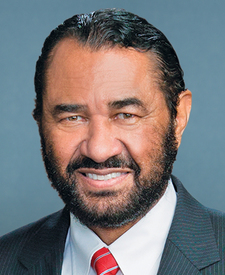


Legislative Progress
In CommitteeMs. Jacobs introduced the following bill; which was referred to …
Referred to the House Committee on Foreign Affairs.
Introduced in House
Stakeholder Effects
cui bono?How this legislation distributes effects. Mention counts reflect frequency, not effect magnitude.
Congressional foreign-affairs committees, State Department export-control officials, United Arab Emirates defense agencies
Bill Structure & Actor Mappings
Who is "The Secretary" in each section?
We use a combination of our own taxonomy and classification in addition to large language models to assess meaning and potential beneficiaries. High confidence means strong textual evidence. Always verify with the original bill text.
Learn more about our methodology