Medicare Dental, Vision, and Hearing Benefit Act of 2025
Summary
What This Bill Does
The Medicare Dental, Vision, and Hearing Benefit Act fills major gaps in traditional Medicare. Dental coverage begins with 100 percent payment for preventive and screening services furnished in 2026 and later, phases broader dental services from no payment before 2027 to 30 percent in 2027, 60 percent in 2028, and 80 percent in 2029 and later, and gives subsidy-eligible low-income beneficiaries 80 percent coverage for nonpreventive services starting in 2027. It covers routine exams and cleanings twice per year, dentures beginning in 2027 at 80 percent with five-year replacement limits, and allows CMS to apply prior authorization, frequency limits, waivers, and preventive-services updates. Vision coverage adds routine eye exams, refraction services, eyeglasses, and contact lenses, with 80 percent payment for one pair of eyeglasses or two-year contact supplies. Hearing coverage adds routine hearing exams, hearing-aid exams, and hearing aids, with 80 percent payment for one hearing aid per ear every five years and Secretary authority to set reasonable limits. Most services apply beginning January 1, 2026, while devices such as dentures, eyeglasses, contacts, and hearing aids begin January 1, 2027.
Who Benefits and How
Medicare beneficiaries benefit because traditional Medicare would cover dental care, dentures, vision exams, eyeglasses, contact lenses, hearing exams, and hearing aids. Low-income Medicare beneficiaries benefit from faster 80 percent coverage for nonpreventive dental services beginning in 2027. Dental practices benefit from Medicare payment for preventive, basic, major, emergency, and oral-health services. Optometrists and audiologists benefit because routine exams and related services become Medicare-covered benefits. Hearing-aid and eyewear suppliers benefit from Medicare payment for hearing aids, eyeglasses, and contact lenses under statutory limits.
Who Bears the Burden and How
CMS must create payment systems, prior-authorization rules, frequency limits, coverage updates, and provider guidance for three new benefit categories. Medicare Administrative Contractors must process new dental, vision, hearing, denture, eyewear, and hearing-aid claims. Medicare Advantage plans must account for expanded baseline Part B benefits in bids and benefit design. Federal taxpayers and Medicare financing sources bear the cost of adding benefits that traditional Medicare currently excludes.
Key Provisions
- Adds Medicare dental and oral-health coverage with preventive services paid at 100 percent starting in 2026.
- Provides phased payment for broader dental services and 80 percent coverage for low-income subsidy-eligible beneficiaries.
- Adds denture coverage beginning in 2027 with five-year replacement limits.
- Creates Medicare coverage for routine vision exams, eyeglasses, contact lenses, hearing exams, and hearing aids.
- Authorizes CMS to apply prior authorization, frequency limits, waivers, and preventive-services updates.
Evidence Chain:
This summary is generated from the full bill text using AI analysis. Expand "Detailed Analysis" below for identified beneficiaries/burden bearers with clause-level evidence links.
At a Glance
What This Bill Does
Adds Medicare coverage for dental and oral health services, dentures, routine vision services, eyeglasses, contact lenses, audiology services, hearing services, and hearing aids with phased payment rules, frequency limits, prior-authorization authority, and effective dates beginning in 2026.
Key Policy Areas
Medicare, Dental Care, Vision Care, Hearing Care
Primary Purpose
Adds Medicare coverage for dental and oral health services, dentures, routine vision services, eyeglasses, contact lenses, audiology services, hearing services, and hearing aids with phased payment rules, frequency limits, prior-authorization authority, and effective dates beginning in 2026.
Policy Domains
Resolution provisions
Identified Gains
- Medicare beneficiaries
- Low-income Medicare beneficiaries
- Dental practices
- Optometrists
- Audiologists
- Hearing-aid suppliers
Identified Costs
- Centers for Medicare and Medicaid Services
- Medicare Administrative Contractors
- Medicare Advantage plans
- Federal taxpayers
Sponsors


Legislative Progress
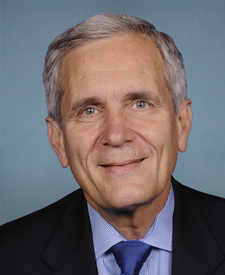
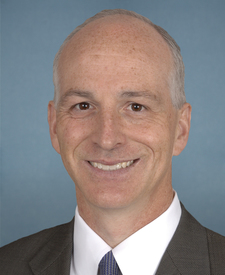
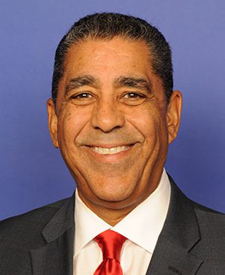
In CommitteeMr. Doggett (for himself, Ms. Adams, Ms. Ansari, Ms. Balint, …
Referred to the Committee on Energy and Commerce, and in …
Introduced in House
Stakeholder Effects
cui bono?How this legislation distributes effects. Mention counts reflect frequency, not effect magnitude.
Audiologists, Dental practices, Low-income Medicare beneficiaries
Positive-direction: Audiologists, Dental practices, Low-income Medicare beneficiaries, Optometrists
Negative-direction: Medicare Administrative Contractors
Bill Structure & Actor Mappings
Who is "The Secretary" in each section?
We use a combination of our own taxonomy and classification in addition to large language models to assess meaning and potential beneficiaries. High confidence means strong textual evidence. Always verify with the original bill text.
Learn more about our methodology