American Teacher Act
Summary
What This Bill Does
The American Teacher Act creates a federal grant strategy to raise teacher pay. Its main grant program supports state efforts to ensure each full-time teacher at a public elementary or secondary qualifying school earns at least $60,000 per year, adjusted for inflation, through four-year grants to state educational agencies. State applications must include plans for maintaining the salary floor after the grant ends and assurances required by the Secretary. A second grant program supports cost-of-living adjustments for eligible states that already meet the $60,000 base salary threshold, using the annual CPI-U increase. The Education Secretary may reserve up to 4 percent of appropriated funds for a national campaign to increase awareness of teaching, encourage secondary school and college students to consider teaching, and diversify the teacher pipeline. The bill preserves existing federal, state, local, and collectively bargained rights and authorizes sums necessary for fiscal years 2026 through 2030.
Who Benefits and How
Full-time public school teachers benefit because state grants are tied to a $60,000 minimum annual salary goal. Teachers in states already meeting the salary floor benefit from CPI-based cost-of-living adjustment grants. State educational agencies benefit from four-year federal grants to support salary increases and teacher-retention plans. Students benefit if higher salaries reduce teacher shortages, turnover, course cancellations, and reliance on underprepared substitutes. Teacher preparation programs benefit from a national campaign encouraging students to enter the profession.
Who Bears the Burden and How
The Education Department must design grant applications, evaluate state plans, monitor assurances, and administer campaign funds. State educational agencies must maintain and adjust salary floors after the federal grant period. Local educational agencies may need to align pay schedules, collective-bargaining agreements, and budget plans with state salary commitments. Federal taxpayers fund the grants and national campaign authorized for fiscal years 2026 through 2030.
Key Provisions
- Creates four-year Education Department grants for states to reach a $60,000 teacher salary floor.
- Authorizes salary-adjustment grants based on annual CPI-U increases for eligible states.
- Authorizes a national campaign to promote teaching and diversify the teacher pipeline.
- Protects existing school employee rights, remedies, procedures, and collective-bargaining agreements.
- Authorizes sums necessary for fiscal years 2026 through 2030.
Evidence Chain:
This summary is generated from the full bill text using AI analysis. Expand "Detailed Analysis" below for identified beneficiaries/burden bearers with clause-level evidence links.
At a Glance
What This Bill Does
Authorizes Education Department grants for states to move full-time public school teachers at qualifying schools to at least $60,000 annual salaries, provide CPI-based salary adjustments, run a national teaching-value campaign, and preserve collective-bargaining and employment rights.
Key Policy Areas
Education, Teacher Pay, Federal Grants
Primary Purpose
Authorizes Education Department grants for states to move full-time public school teachers at qualifying schools to at least $60,000 annual salaries, provide CPI-based salary adjustments, run a national teaching-value campaign, and preserve collective-bargaining and employment rights.
Policy Domains
Resolution provisions
Identified Gains
- Full-time public school teachers
- Teachers in eligible states
- State educational agencies
- Students
- Teacher preparation programs
Identified Costs
- Education Department
- State educational agencies
- Local educational agencies
- Federal taxpayers
Sponsors

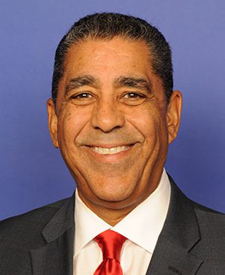

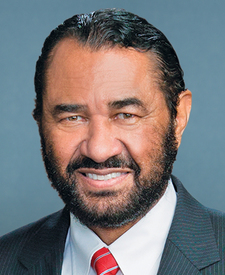
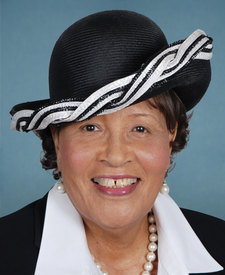
Legislative Progress
In CommitteeMs. Wilson of Florida (for herself, Ms. Adams, Ms. Bonamici, …
Referred to the House Committee on Education and Workforce.
Introduced in House
Stakeholder Effects
cui bono?How this legislation distributes effects. Mention counts reflect frequency, not effect magnitude.
Full-time public school teachers, Local educational agencies, State educational agencies
Positive-direction: Full-time public school teachers, State educational agencies
Negative-direction: Local educational agencies
Bill Structure & Actor Mappings
Who is "The Secretary" in each section?
We use a combination of our own taxonomy and classification in addition to large language models to assess meaning and potential beneficiaries. High confidence means strong textual evidence. Always verify with the original bill text.
Learn more about our methodology