To implement a 5-year pilot program establishing a performance-based pay structure for certain Federal employees in order to enhance productivity, accountability, and employee satisfaction in public service.
Analysis under review: This bill has generated analysis that may be too generic or incomplete. Clause-level evidence remains available below.
Summary
This bill creates a 5-year pilot program that replaces the standard federal pay system with performance-based pay for 1-10% of eligible employees at GS-11 and above in Executive agencies. Employees who exceed performance metrics receive up to 10% pay increases and potential bonuses. Those who meet standards keep their current pay. Those who fail to meet standards face a 10% pay cut. While in the program, employees cannot receive standard federal pay adjustments (locality pay, step increases, bonuses). The OMB Director oversees the program, and agencies must report annually on cost savings and productivity. No new funding is authorized; agencies must use existing resources. GAO and OMB must assess the program after it ends.
Evidence Chain:
This summary is generated from the full bill text using AI analysis. Expand "Detailed Analysis" below for identified beneficiaries/burden bearers.
At a Glance
What This Bill Does
Establishes a 5-year pilot program implementing performance-based pay for mid-to-senior level federal employees (GS-11 through senior-level) to enhance productivity, accountability, and employee satisfaction in public service.
Who Benefits
- High-performing federal employees (up to 10% pay increase)
- Federal agencies seeking productivity gains
- Taxpayers (if cost savings materialize)
Who Bears Costs
- Low-performing federal employees (10% pay reduction)
- Federal employees unions (loss of standard pay protections)
- All participating employees (lose locality pay, step increases, bonuses during program)
Key Policy Areas
{'domain': 'Government Operations', 'evidence': ['1', '2', '3']}, {'domain': 'Labor', 'evidence': ['5']}
Primary Purpose
Establishes a 5-year pilot program implementing performance-based pay for mid-to-senior level federal employees (GS-11 through senior-level) to enhance productivity, accountability, and employee satisfaction in public service.
Policy Domains
Legislative Strategy
"Replace the seniority-based General Schedule pay system with a market-style performance incentive model for a subset of federal workers"
Legislative Progress
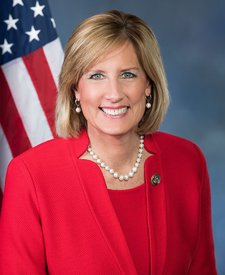
IntroducedMs. Tenney introduced the following bill; which was referred to …
Stakeholder Effects
cui bono?How this legislation distributes effects. Mention counts reflect frequency, not effect magnitude.
Executive agencies, Federal budget, Government Accountability Office
Positive-direction: Federal budget
Negative-direction: Executive agencies, Government Accountability Office, Office of Management and Budget, Participating federal agencies
All participating federal employees, Federal employees GS-11 through senior-level, High-performing federal employees (Tier 1)
Positive-direction: High-performing federal employees (Tier 1)
Negative-direction: All participating federal employees, Federal employees GS-11 through senior-level, Low-performing federal employees (Tier 3)
Bill Structure & Actor Mappings
Who is "The Secretary" in each section?
- "the_director"
- → Director of the Office of Management and Budget
- "participating_agency"
- → Any Executive agency with employees in the pilot program
- "participating_employee"
- → Eligible employee at GS-11 through senior-level with measurable performance criteria
Key Definitions
Terms defined in this bill
We use a combination of our own taxonomy and classification in addition to large language models to assess meaning and potential beneficiaries. High confidence means strong textual evidence. Always verify with the original bill text.
Learn more about our methodology