Sanction Sea Pirates Act of 2025
Summary
What This Bill Does
The Sanction Sea Pirates Act of 2025 creates a sanctions tool for maritime piracy. Congress cites 2011 piracy off Somalia, when 212 attempted attacks occurred, more than 1,000 crew were held hostage, and 35 seafarers were killed; notes that Western Indian Ocean piracy subsided for much of the following decade; and states that Houthi attacks in the Red Sea and Gulf of Aden after October 7, 2023 have affected global shipping markets and coincided with a renewed surge in Somali piracy. The bill states that the United States should stop piracy worldwide, including off the Somali coast and in the Gulf of Aden, and work with allies and partners. It then requires the President to impose sanctions on any foreign person determined to knowingly engage in piracy. Sanctions include blocking property and interests in property under IEEPA when they are in the United States or controlled by U.S. persons, plus immigration sanctions making covered aliens inadmissible, visa-ineligible, parole-ineligible, and ineligible for other immigration benefits, with visa revocation taking effect immediately. The bill preserves admission needed for U.N. headquarters or other international obligations, exempts food, medicine, medical devices, humanitarian assistance, humanitarian financial transactions, and transport needed for humanitarian operations, excludes authorized U.S. intelligence, law-enforcement, and national-security activities, allows ex parte and in camera classified evidence in judicial review without creating a right to review, applies IEEPA penalties, allows a national-security waiver with prior congressional certification, and says it does not authorize import sanctions on goods.
Who Benefits and How
Commercial shipping companies, seafarers, maritime insurers, port operators, global supply-chain managers, U.S. naval and maritime-security planners, State Department sanctions officials, Treasury sanctions staff, humanitarian organizations, and congressional foreign-affairs committees benefit from a specific sanctions lever against piracy networks, visa access for covered pirates, and property interests tied to piracy while preserving humanitarian and U.N. obligations.
Who Bears the Burden and How
Foreign persons engaged in piracy, piracy financiers, piracy support networks, alien visa holders tied to piracy, banks holding blocked property, State Department consular officers, Department of Homeland Security immigration officers, Treasury sanctions staff, compliance officers at U.S. financial institutions, and waiver-review officials must face or administer asset blocking, visa revocation, inadmissibility, sanctions compliance, classified-evidence handling, IEEPA penalties, humanitarian exceptions, and national-security waivers.
Key Provisions
- Requires the President to impose sanctions on foreign persons determined to knowingly engage in piracy.
- Blocks covered property and transactions under International Emergency Economic Powers Act authorities.
- Bars covered aliens from admission, visas, parole, and other immigration benefits and requires immediate visa revocation.
- Exempts humanitarian goods, humanitarian assistance, U.N. headquarters obligations, and authorized U.S. intelligence, law-enforcement, or national-security activities.
- Applies IEEPA penalties, permits classified information to be handled ex parte and in camera, and allows a national-security waiver with congressional certification.
- Provides that the bill does not authorize sanctions on importation of goods.
Evidence Chain:
This summary is generated from the full bill text using AI analysis. Expand "Detailed Analysis" below for identified beneficiaries/burden bearers with clause-level evidence links.
At a Glance
What This Bill Does
Requires the President to impose IEEPA property-blocking sanctions and State/DHS immigration sanctions on foreign persons determined to knowingly engage in piracy, with exceptions for humanitarian activity, U.N. headquarters obligations, authorized intelligence, law-enforcement, and national-security activity, classified-information handling, waiver authority, IEEPA penalties, and no import sanctions on goods.
Key Policy Areas
Foreign Affairs, Maritime Security, Sanctions
Primary Purpose
Requires the President to impose IEEPA property-blocking sanctions and State/DHS immigration sanctions on foreign persons determined to knowingly engage in piracy, with exceptions for humanitarian activity, U.N. headquarters obligations, authorized intelligence, law-enforcement, and national-security activity, classified-information handling, waiver authority, IEEPA penalties, and no import sanctions on goods.
Policy Domains
Substantive provisions
Identified Gains
- Commercial shipping companies
- Seafarers
- Maritime insurers
- Port operators
- Global supply-chain managers
- U.S. naval planners
- State Department sanctions officials
- Treasury sanctions staff
- Humanitarian organizations
- Congressional foreign-affairs committees
Identified Costs
- Foreign persons engaged in piracy
- Piracy financiers
- Piracy support networks
- Alien visa holders tied to piracy
- Banks holding blocked property
- State Department consular officers
- Department of Homeland Security immigration officers
- Treasury sanctions staff
- U.S. financial institution compliance officers
Sponsors

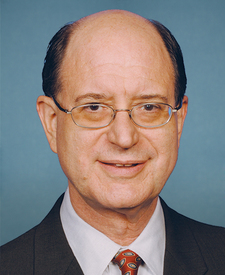


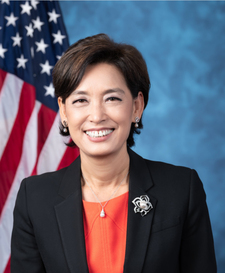
Legislative Progress
Passed HouseReceived; read twice and referred to theCommittee on Foreign Relations
Passed House (inferred from eh version)
Received in the Senate and Read twice and referred to …
Motion to reconsider laid on the table Agreed to without …
On motion to suspend the rules and pass the bill, …
Passed/agreed to in House: On motion to suspend the rules …
At the conclusion of debate, the Yeas and Nays were …
DEBATE - The House proceeded with forty minutes of debate …
Considered under suspension of the rules. (consideration: CR H2845-2846, H2877-2878)
Mr. Burchett moved to suspend the rules and pass the …
Stakeholder Effects
cui bono?How this legislation distributes effects. Mention counts reflect frequency, not effect magnitude.
Department of Homeland Security immigration officers, State Department consular officers, Treasury sanctions staff
Foreign persons engaged in piracy, Piracy financiers
On Motion to Suspend the Rules and Pass, as Amended
Sanction Sea Pirates Act
Bill Structure & Actor Mappings
Who is "The Secretary" in each section?
- "president"
- → President
- "secretary_dhs"
- → Secretary of Homeland Security
- "secretary_state"
- → Secretary of State
We use a combination of our own taxonomy and classification in addition to large language models to assess meaning and potential beneficiaries. High confidence means strong textual evidence. Always verify with the original bill text.
Learn more about our methodology