Kangaroo Protection Act of 2025
Summary
What This Bill Does
The Kangaroo Protection Act creates a federal commercial ban on specified kangaroos and products made in whole or in part from those animals. It covers western grey kangaroos, eastern grey kangaroos, common wallaroos, and red kangaroos. After a 180-day delayed effective date, it would be unlawful to knowingly bring a covered kangaroo into the United States for commercial purposes, possess one with intent to sell, sell one, or introduce, manufacture for introduction, sell, offer to sell, trade, advertise, transport, or distribute a kangaroo product in interstate commerce. Violations can be punished by a fine up to $10,000, imprisonment for up to one year, or both, with each violation treated separately. The Secretary of Commerce, in consultation with the Attorney General, Agriculture Secretary, and other appropriate agencies, must issue implementing regulations.
Who Benefits and How
Wildlife protection advocates benefit because the bill removes U.S. commercial demand for products from the covered kangaroo species. Consumers seeking kangaroo-free goods benefit from a federal ban on selling, advertising, and distributing covered products in interstate commerce. Domestic alternative-material suppliers benefit if footwear, leather, meat, or sporting-goods buyers shift away from kangaroo-derived inputs. Federal wildlife and trade regulators benefit from explicit statutory authority to police covered kangaroo commerce.
Who Bears the Burden and How
Importers of kangaroo leather, meat, or other products lose access to the U.S. commercial market for covered goods. Retailers selling kangaroo-derived products must remove covered inventory, advertising, transport, and distribution channels. The Commerce Department must write regulations in consultation with Justice, USDA, and any other appropriate agencies. Federal prosecutors and investigators must enforce criminal penalties and venue rules for separate violations.
Key Provisions
- Prohibits commercial import, possession with intent to sell, and sale of specified kangaroos.
- Bars interstate manufacture, sale, trade, advertising, transport, and distribution of kangaroo products.
- Creates penalties of up to $10,000, one year imprisonment, or both for each knowing violation.
- Directs Commerce-led regulations and delays the ban's operative provisions for 180 days after enactment.
Evidence Chain:
This summary is generated from the full bill text using AI analysis. Expand "Detailed Analysis" below for identified beneficiaries/burden bearers with clause-level evidence links.
At a Glance
What This Bill Does
Prohibits commercial import, possession for sale, sale, interstate commerce, manufacture, advertising, transport, or distribution of specified kangaroo species and kangaroo products, with criminal penalties and Commerce-led regulations.
Key Policy Areas
Wildlife, Trade, Consumer Products, Criminal Enforcement
Primary Purpose
Prohibits commercial import, possession for sale, sale, interstate commerce, manufacture, advertising, transport, or distribution of specified kangaroo species and kangaroo products, with criminal penalties and Commerce-led regulations.
Policy Domains
Resolution provisions
Identified Gains
- Wildlife protection advocates
- Consumers seeking kangaroo-free goods
- Alternative-material suppliers
- Federal wildlife regulators
Identified Costs
- Kangaroo product importers
- Retailers selling kangaroo-derived products
- Commerce Department
- Federal prosecutors
Sponsors



Legislative Progress
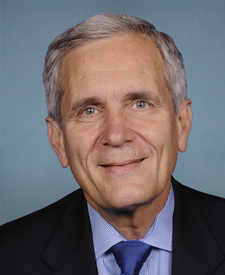
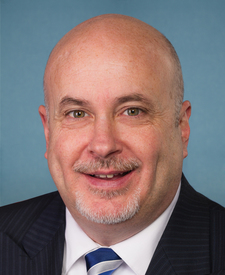
In CommitteeMr. Fitzpatrick (for himself and Ms. Schakowsky) introduced the following …
Referred to the House Committee on the Judiciary.
Introduced in House
Stakeholder Effects
cui bono?How this legislation distributes effects. Mention counts reflect frequency, not effect magnitude.
Bill Structure & Actor Mappings
Who is "The Secretary" in each section?
We use a combination of our own taxonomy and classification in addition to large language models to assess meaning and potential beneficiaries. High confidence means strong textual evidence. Always verify with the original bill text.
Learn more about our methodology