Implementing DOGE Act
Summary
What This Bill Does
The Implementing DOGE Act creates an automatic budget-cut rule for nonsecurity discretionary appropriations. It defines regular appropriation Acts, security-category spending, nonsecurity discretionary appropriations, and an excess growth percent. Beginning in fiscal year 2026, once appropriations are available through September 30 for the whole federal government, the bill rescinds on a pro rata basis the share of nonsecurity discretionary appropriations representing annual growth above 1 percent compared with the prior fiscal year. The practical result is a statutory cap-like rescission mechanism: if Congress increases nonsecurity discretionary funding too much, agencies lose the excess growth proportionately after full-year funding is enacted.
Who Benefits and How
Federal taxpayers benefit if automatic rescissions reduce nonsecurity discretionary spending growth above the 1 percent threshold. Members of Congress favoring spending restraint benefit from a formula that cuts across accounts without requiring individual rescission votes. OMB budget examiners benefit from a clear statutory calculation for excess growth percent and pro rata rescissions. Security-category defense programs benefit indirectly because the rescission formula targets nonsecurity discretionary appropriations.
Who Bears the Burden and How
Nonsecurity federal agencies bear funding reductions if their appropriations are part of growth above the 1 percent threshold. Recipients of nonsecurity federal grants and services may face reduced program funding after full-year appropriations are enacted. Appropriations subcommittees must account for the automatic rescission when negotiating annual bills. Agency chief financial officers must implement pro rata reductions after appropriations become available through September 30.
Key Provisions
- Establishes definitions for budget authority, discretionary appropriations, excess growth percent, and regular appropriation Acts.
- Rescinds the excess growth percent of nonsecurity discretionary appropriations on a pro rata basis.
- Applies beginning in fiscal year 2026 after full-year federal appropriations are available.
- Limits automatic cuts to nonsecurity discretionary appropriations rather than the security category.
Evidence Chain:
This summary is generated from the full bill text using AI analysis. Expand "Detailed Analysis" below for identified beneficiaries/burden bearers with clause-level evidence links.
At a Glance
What This Bill Does
Requires pro rata rescissions of the excess growth percent of nonsecurity discretionary appropriations beginning in fiscal year 2026 whenever regular appropriations exceed the prior year's annual appropriations by more than 1 percent.
Key Policy Areas
Federal Spending, Appropriations, Budget Enforcement
Primary Purpose
Requires pro rata rescissions of the excess growth percent of nonsecurity discretionary appropriations beginning in fiscal year 2026 whenever regular appropriations exceed the prior year's annual appropriations by more than 1 percent.
Policy Domains
Resolution provisions
Identified Gains
- Federal taxpayers
- Members of Congress favoring spending restraint
- OMB budget examiners
- Security-category defense programs
Identified Costs
- Nonsecurity federal agencies
- Federal grant recipients
- Appropriations subcommittees
- Agency chief financial officers
Legislative Progress
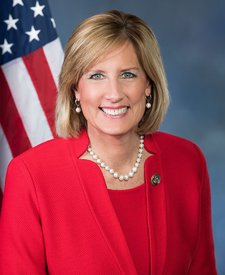
In CommitteeMs. Tenney introduced the following bill; which was referred to …
Referred to the House Committee on Appropriations.
Introduced in House
Stakeholder Effects
cui bono?How this legislation distributes effects. Mention counts reflect frequency, not effect magnitude.
Nonsecurity federal agencies, OMB budget examiners
Bill Structure & Actor Mappings
Who is "The Secretary" in each section?
We use a combination of our own taxonomy and classification in addition to large language models to assess meaning and potential beneficiaries. High confidence means strong textual evidence. Always verify with the original bill text.
Learn more about our methodology