Unlocking our Domestic LNG Potential Act of 2025
Summary
What This Bill Does
The Unlocking our Domestic LNG Potential Act of 2025 shifts federal natural-gas import and export approvals away from the prior Department of Energy public-interest framework and toward the Federal Energy Regulatory Commission. It strikes existing Natural Gas Act subsections, redesignates remaining provisions, and provides that FERC has exclusive authority to approve or deny applications for the siting, construction, expansion, or operation of facilities that export natural gas from the United States or import natural gas from abroad, including LNG terminals. When FERC decides those applications, it must deem natural-gas exportation or importation to be consistent with the public interest. The bill says it does not otherwise disturb other federal agency responsibilities for LNG facilities, and it preserves presidential authority under the Constitution, the International Emergency Economic Powers Act, the National Emergencies Act, the Energy Policy and Conservation Act, the Trading With the Enemy Act, sanctions laws, and state-sponsor-of-terrorism restrictions to prohibit imports or exports.
Who Benefits and How
LNG export terminal developers, LNG import terminal operators, natural gas producers, pipeline companies, upstream drilling firms, energy infrastructure investors, construction contractors, liquefaction equipment suppliers, foreign LNG buyers, and Federal Energy Regulatory Commission applicants benefit from a centralized FERC approval path and from the statutory instruction that natural-gas imports and exports are consistent with the public interest. That reduces the separate DOE policy gate that could delay or block export approvals on broader market or climate grounds.
Who Bears the Burden and How
The Department of Energy must lose its prior public-interest gatekeeping role for natural-gas import and export authorizations. Domestic gas consumers, manufacturing gas users, environmental organizations, climate-policy advocates, community groups near LNG terminals, and state energy offices face higher litigation and policy burden because the bill narrows the federal public-interest review lever for opposing or conditioning LNG export growth. FERC commissioners, FERC certificate staff, environmental-review staff, and presidential sanctions reviewers must handle the centralized approval process and preserve sanctions, emergency, and state-sponsor-of-terrorism restrictions.
Key Provisions
- Amends Natural Gas Act section 3 by striking and redesignating import-export subsections.
- Grants FERC exclusive authority over applications to site, construct, expand, or operate natural gas import and export facilities, including LNG terminals.
- Requires FERC to deem natural-gas importation or exportation consistent with the public interest.
- Preserves otherwise applicable federal agency responsibilities for LNG facilities except where the bill specifically changes them.
- Preserves presidential authority under sanctions, emergency, energy, trading-with-the-enemy, and state-sponsor-of-terrorism laws to prohibit imports or exports.
Evidence Chain:
This summary is generated from the full bill text using AI analysis. Expand "Detailed Analysis" below for identified beneficiaries/burden bearers with clause-level evidence links.
At a Glance
What This Bill Does
Rewrites Natural Gas Act section 3 to make FERC the exclusive federal decisionmaker for applications to site, construct, expand, or operate natural gas import and export facilities, including LNG terminals, requires FERC to deem natural-gas imports and exports consistent with the public interest, and preserves presidential sanctions and emergency authorities over foreign trade.
Key Policy Areas
Energy, Oil & Gas, Foreign Trade
Primary Purpose
Rewrites Natural Gas Act section 3 to make FERC the exclusive federal decisionmaker for applications to site, construct, expand, or operate natural gas import and export facilities, including LNG terminals, requires FERC to deem natural-gas imports and exports consistent with the public interest, and preserves presidential sanctions and emergency authorities over foreign trade.
Policy Domains
Substantive provisions
Identified Gains
- LNG export terminal developers
- LNG import terminal operators
- Natural gas producers
- Pipeline companies
- Upstream drilling firms
- Energy infrastructure investors
- Construction contractors
- Foreign LNG buyers
Identified Costs
- Department of Energy
- Domestic gas consumers
- Manufacturing gas users
- Environmental organizations
- Climate-policy advocates
- Community groups near LNG terminals
- State energy offices
- FERC certificate staff
Sponsors
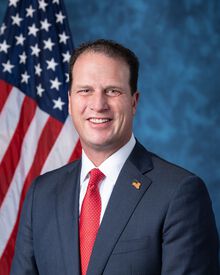




Legislative Progress
Passed HouseRead the first time
Passed House (inferred from eh version)
Read the second time. Placed on Senate Legislative Calendar under …
Passed House (inferred from eh version)
Received in the Senate.
Considered as unfinished business. (consideration: CR H4850-4851)
On passage Passed by the Yeas and Nays: 217 - …
Motion to reconsider laid on the table Agreed to without …
Passed/agreed to in House: On passage Passed by the Yeas …
POSTPONED PROCEEDINGS - At the conclusion of debate on H.R. …
Stakeholder Effects
cui bono?How this legislation distributes effects. Mention counts reflect frequency, not effect magnitude.
LNG export terminal developers, LNG import terminal operators, Natural gas producers
Department of Energy, Federal Energy Regulatory Commission
Community groups near LNG terminals, Domestic gas consumers
On Passage
Unlocking our Domestic LNG Potential Act
Bill Structure & Actor Mappings
Who is "The Secretary" in each section?
- "doe"
- → Department of Energy
- "president"
- → President
- "commission"
- → Federal Energy Regulatory Commission
We use a combination of our own taxonomy and classification in addition to large language models to assess meaning and potential beneficiaries. High confidence means strong textual evidence. Always verify with the original bill text.
Learn more about our methodology