To prohibit individuals who are not citizens of the United States from voting in elections in the District of Columbia and to repeal the Local Resident Voting Rights Amendment Act of 2022.
Analysis under review: This bill has generated analysis that may be too generic or incomplete. Clause-level evidence remains available below.
Summary
What This Bill Does
This bill, To prohibit individuals who are not citizens of the United States from voting in elections in the District of Columbia and to repeal the Local Resident Voting Rights Amendment Act of 2022., changes federal law or congressional policy affecting civil-rights stakeholders and affected communities. The main policy domain is Civil Rights, Immigration.
Who Benefits and How
civil-rights stakeholders and affected communities may benefit from new authority, funding, eligibility, regulatory clarity, or reduced risk created by the bill.
Who Bears the Burden and How
federal implementing agencies, civil-rights stakeholders and affected communities may take on implementation duties, reporting obligations, compliance costs, or oversight responsibilities.
Key Provisions
- Section H2C0E040823544215AE9A46B7792B4062: 1. Prohibiting voting by noncitizens in District of Columbia Elections An individual who is not a citizen of the United States may not vote in an election for...
- Section HA274E1FE0B464106A1C378DD42F18FF2: 2. Repeal of Local Resident Voting Rights Amendment Act of 2022 The Local Resident Voting Rights Amendment Act of 2022 (D.C. Law 24–242) is repealed, and any...
Evidence Chain:
This summary is generated from the full bill text using AI analysis. Expand "Detailed Analysis" below for identified beneficiaries/burden bearers.
At a Glance
What This Bill Does
This bill, To prohibit individuals who are not citizens of the United States from voting in elections in the District of Columbia and to repeal the Local Resident Voting Rights Amendment Act of 2022., changes federal law or congressional policy affecting civil-rights stakeholders and affected communities.
Key Policy Areas
Civil Rights, Immigration
Primary Purpose
This bill, To prohibit individuals who are not citizens of the United States from voting in elections in the District of Columbia and to repeal the Local Resident Voting Rights Amendment Act of 2022., changes federal law or congressional policy affecting civil-rights stakeholders and affected communities.
Policy Domains
Whole bill
Identified Gains
Contextual inference, no direct clause citation- civil-rights stakeholders and affected communities
Contextual inference, no direct clause citation
Identified Costs
Contextual inference, no direct clause citation- federal implementing agencies
- civil-rights stakeholders and affected communities
Contextual inference, no direct clause citation
Sponsors
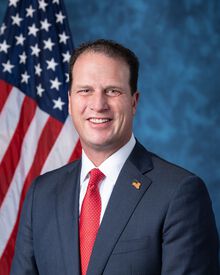

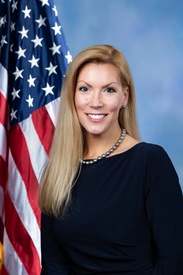

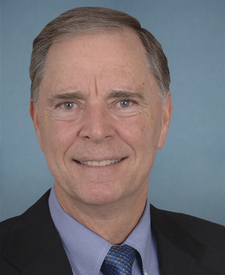
Legislative Progress
ReportedRead the second time and placed on the calendar
Received; read the first time
Additional sponsors: Ms. Mace, Mr. Johnson of Ohio, Mr. Bost, …
Reported with amendments, committed to the Committee of the Whole …
Mr. Pfluger (for himself, Mr. Ellzey, Mr. Gosar, Mr. Babin, …
Mr. Pfluger (for himself, Mr. Ellzey, Mr. Gosar, Mr. Babin, …
Stakeholder Effects
cui bono?How this legislation distributes effects. Mention counts reflect frequency, not effect magnitude.
Bill Structure & Actor Mappings
Who is "The Secretary" in each section?
- "federal_implementing_agencies"
- → Federal agencies assigned duties by the bill
We use a combination of our own taxonomy and classification in addition to large language models to assess meaning and potential beneficiaries. High confidence means strong textual evidence. Always verify with the original bill text.
Learn more about our methodology