Stop the Cartels Act
Summary
What This Bill Does
The Stop the Cartels Act is a broad border, cartel, intelligence, and public-health package. It requires DNI-led assessments of drug trafficking organizations, human trafficking, and human smuggling in Mexico and many Central and South American countries, plus a review and recurring reports on whether intelligence collection priorities match the threat. It conditions some State Department and USAID funds for Mexico on certification that post-2020 barriers to law-enforcement cooperation and intelligence sharing have been removed, and requires plans and reviews tied to the Merida Initiative and Bicentennial Framework. It creates a Special Transnational Criminal Organization designation for foreign criminal groups, applies material-support treatment under 18 U.S.C. 2339B, allows Treasury to block assets through U.S. financial institutions, creates petition, five-year review, revocation, amendment, and D.C. Circuit review processes, and mandates designations for named cartels including Sinaloa, Jalisco New Generation, Gulf, Juarez, Los Zetas, and others. DHS and CBP must send monthly migrant reports covering apprehensions, inadmissibles, expedited removal, credible fear, detention, ICE transfers, parole, bond, releases, notices to appear, failures to appear, and removal orders. The bill also makes states and local governments that violate immigration-cooperation laws or restrict detainers ineligible for federal financial assistance; authorizes family detention rules overriding Flores-settlement constraints; tightens credible-fear and asylum eligibility; requires at least 500 more immigration judges plus ICE attorneys and support staff; creates refugee application and processing centers in Mexico and at least three Central American locations; increases substance-abuse block grants to $3.9616 billion per year for fiscal years 2025 through 2029; and repeals or terminates several mental-health and substance-use programs including Project AWARE and CCBHC expansion grants.
Who Benefits and How
Congressional intelligence and homeland-security committees benefit from repeated assessments, public summaries, and monthly operational data on cartels, smuggling, and border processing. Federal law enforcement and intelligence agencies benefit from stronger collection priorities, cartel designation tools, financial blocking authority, and Mexico cooperation leverage. State and local governments that cooperate with detainers benefit by avoiding the bill's federal-assistance penalty. Substance-use block grant recipients benefit from a higher authorization of $3.9616 billion annually through fiscal year 2029. Immigration courts benefit from authority to hire at least 500 additional judges plus support staff and ICE attorneys.
Who Bears the Burden and How
Mexican federal agencies risk losing State Department and USAID support until cooperation barriers are removed and certified. Named cartels and designated foreign criminal organizations face material-support consequences, asset blocking, publication, and judicial review limited to the administrative record. Sanctuary jurisdictions risk loss of federal financial assistance if DHS determines they violate immigration-cooperation requirements. Migrants, asylum seekers, and detained family units face tighter credible-fear rules, narrower asylum eligibility, expanded family detention, and reduced access to ordinary removal hearings. DHS, CBP, ICE, DOJ, State, USAID, Treasury, DNI, HHS, and GAO-linked oversight offices receive major reporting, hiring, certification, adjudication, and implementation burdens. Project AWARE, Certified Community Behavioral Health Clinics expansion grants, and several repealed mental-health or drug-control programs lose authority or are terminated.
Key Provisions
- Requires DNI, DEA, DHS, and State assessments and priority reviews on cartels, human trafficking, and smuggling in covered foreign countries.
- Conditions some Mexico security-cooperation funds on certification that post-2020 law-enforcement and intelligence-sharing barriers are removed.
- Creates Special Transnational Criminal Organization designation, asset-blocking, material-support, review, revocation, amendment, and judicial-review rules.
- Requires monthly DHS border reports and makes immigration-noncooperation jurisdictions ineligible for federal financial assistance.
- Expands family detention authority, tightens credible-fear and asylum rules, hires at least 500 immigration judges, and creates refugee processing centers in Mexico and Central America.
- Increases substance-use block grants while repealing or terminating several mental-health and substance-use programs.
Evidence Chain:
This summary is generated from the full bill text using AI analysis. Expand "Detailed Analysis" below for identified beneficiaries/burden bearers with clause-level evidence links.
At a Glance
What This Bill Does
Combines intelligence assessments and priority reviews on cartels and human smuggling in Latin America, Mexico security-cooperation funding conditions, Special Transnational Criminal Organization designations with asset blocking and material-support consequences, monthly DHS border reporting, sanctuary-jurisdiction grant ineligibility, family-detention and asylum restrictions, immigration-court hiring, regional refugee processing centers, and substance-abuse block grant changes.
Key Policy Areas
Immigration, Drug Trafficking, Foreign Affairs, Intelligence, Substance Use
Primary Purpose
Combines intelligence assessments and priority reviews on cartels and human smuggling in Latin America, Mexico security-cooperation funding conditions, Special Transnational Criminal Organization designations with asset blocking and material-support consequences, monthly DHS border reporting, sanctuary-jurisdiction grant ineligibility, family-detention and asylum restrictions, immigration-court hiring, regional refugee processing centers, and substance-abuse block grant changes.
Policy Domains
Resolution provisions
Identified Gains
- Congressional oversight committees
- Federal law enforcement agencies
- Cooperating state and local governments
- Substance-use block grant recipients
- Immigration courts
Identified Costs
- Mexican federal agencies
- Designated cartels
- Sanctuary jurisdictions
- Migrants and asylum seekers
- Federal implementation agencies
- Terminated behavioral health programs
Sponsors

Legislative Progress
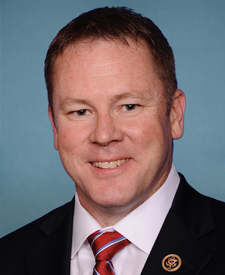
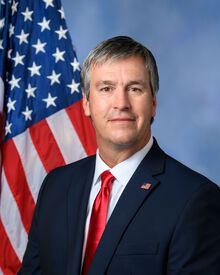
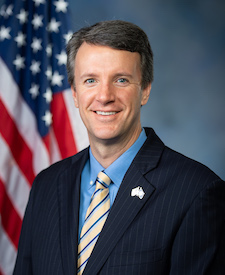
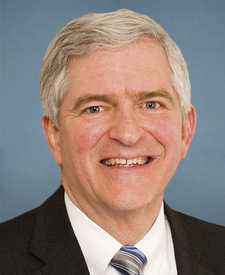
In CommitteeMr. Davidson (for himself, Mr. Cline, Mrs. Miller of Illinois, …
Referred to the Subcommittee on Border Security and Enforcement.
Referred to the Committee on the Judiciary, and in addition …
Introduced in House
Stakeholder Effects
cui bono?How this legislation distributes effects. Mention counts reflect frequency, not effect magnitude.
Congressional oversight committees, Mexican federal agencies
Cooperating state and local governments, Sanctuary jurisdictions
Positive-direction: Cooperating state and local governments
Negative-direction: Sanctuary jurisdictions
Immigration courts, Migrants and asylum seekers
Positive-direction: Immigration courts
Negative-direction: Migrants and asylum seekers
Substance-use block grant recipients
Bill Structure & Actor Mappings
Who is "The Secretary" in each section?
We use a combination of our own taxonomy and classification in addition to large language models to assess meaning and potential beneficiaries. High confidence means strong textual evidence. Always verify with the original bill text.
Learn more about our methodology