ESA Amendments Act of 2025
Summary
What This Bill Does
The ESA Amendments Act of 2025 is a large Endangered Species Act rewrite. It authorizes new funding levels for the Fish and Wildlife Service, National Marine Fisheries Service, and related ESA implementation for fiscal years 2026 through 2031, gives legal effect to the 2019 rule on the term foreseeable future, and preserves state fish and wildlife management authority. It requires a national listing work plan for covered species, requires consideration of candidate conservation agreements with assurances, makes conservation-plan terms legally binding, directs federal agencies to adopt mitigation measures from incidental take permits where practicable, and declares incidental take permit issuance not to be a major federal action under NEPA. It changes threatened-species protective regulations by requiring objective incremental recovery goals and species-specific consideration. It adds rulemaking after five-year reviews, limits judicial review during post-delisting monitoring, revises critical-habitat designations, gives weight to state, tribal, and local data, narrows significant-portion-of-range listings, and clarifies delisting criteria. It requires online publication of scientific data, state access to data before listings, disclosure of ESA litigation expenditures, analyses of economic, national-security, health, and safety effects, congressional notice for critical habitat or experimental population areas over 50,000 acres, and public cost analysis on data.gov. It limits reasonable and prudent measures, revises successive consultations and jeopardy analysis, narrows action-area opinions, adds D.C. Circuit review of biological opinions, expands exemption eligibility for federal agencies, governors, and permit applicants, applies CITES standards to non-native species, and limits ESA rulemaking authority.
Who Benefits and How
Private landowners and project applicants benefit because conservation agreements, conservation plans, incidental take permits, section 7 consultations, and exemption requests receive clearer standards and in several places reduced procedural risk. State fish and wildlife agencies benefit from preserved management authority, access to listing data, consideration of state-submitted data, and congressional notice requirements for large critical-habitat or experimental-population actions. Indian Tribes and local governments benefit because their data must be considered and because impact analyses must be coordinated with them. Federal project sponsors benefit from limits on reasonable and prudent measures, clearer action-area rules, and a judicial-review path for biological opinions. Importers, exporters, zoos, aquariums, researchers, and public-display organizations working with non-native CITES species benefit from permit standards tied to the Convention rather than duplicative ESA import and export restrictions. Congressional oversight committees benefit from annual expenditure reports, large-area notifications, and public cost data.
Who Bears the Burden and How
The Secretary of the Interior, Secretary of Commerce, Fish and Wildlife Service, and National Marine Fisheries Service must write listing work plans, publish scientific data, conduct new analyses, issue rulemakings, report costs, coordinate with states, tribes, and local governments, and administer revised consultation and exemption standards. Conservation advocates and citizen-suit plaintiffs face narrower attorney-fee language, limits on judicial review during monitoring periods, and statutory standards that reduce some ESA litigation leverage. Listed species and critical habitats may face risk if NEPA exemptions, narrowed jeopardy and action-area standards, or expanded exemptions reduce protective review. State, tribal, and local governments must provide data and participate in coordination to influence listing and critical-habitat decisions. Federal courts, including the D.C. Circuit, must handle the new biological-opinion review pathway. Regulated entities must still document conservation measures, mitigation, and permit compliance under the revised rules.
Key Provisions
- Authorizes ESA implementation funding for fiscal years 2026 through 2031 and gives legal effect to the 2019 foreseeable-future rule.
- Requires a national listing work plan for covered species and preserves state fish and wildlife management authority.
- Requires consideration of candidate conservation agreements and legally binding conservation-plan terms.
- Exempts incidental take permit issuance from NEPA major-federal-action treatment.
- Revises threatened-species protective regulations, five-year review rulemaking, delisting criteria, significant-portion-of-range listings, and critical-habitat designations.
- Requires online scientific-data publication, state access to listing data, litigation-expenditure disclosure, impact analyses, and congressional notice for large habitat or experimental population actions.
- Limits reasonable and prudent measures, successive consultations, jeopardy analysis, and action-area opinions under section 7.
- Creates D.C. Circuit judicial review for biological opinions and expands section 7 exemption eligibility.
- Applies Convention standards to permits for non-native CITES-listed species.
- Limits ESA rulemaking authority to specified enforcement provisions.
Evidence Chain:
This summary is generated from the full bill text using AI analysis. Expand "Detailed Analysis" below for identified beneficiaries/burden bearers with clause-level evidence links.
At a Glance
What This Bill Does
Reauthorizes and substantially rewrites Endangered Species Act procedures by setting listing work plans, authorizing fiscal years 2026 through 2031 funding, giving legal effect to the 2019 foreseeable-future rule, expanding credit for candidate conservation agreements and conservation plans, exempting incidental take permits from NEPA, changing threatened-species protective regulations, narrowing critical-habitat and section 7 consultation standards, increasing state, tribal, local, congressional, and public transparency, limiting litigation-fee awards, expanding exemption and judicial-review pathways, easing CITES treatment for non-native species, and limiting agency rulemaking authority.
Key Policy Areas
Environment, Public Lands, Permitting, Federal Courts
Primary Purpose
Reauthorizes and substantially rewrites Endangered Species Act procedures by setting listing work plans, authorizing fiscal years 2026 through 2031 funding, giving legal effect to the 2019 foreseeable-future rule, expanding credit for candidate conservation agreements and conservation plans, exempting incidental take permits from NEPA, changing threatened-species protective regulations, narrowing critical-habitat and section 7 consultation standards, increasing state, tribal, local, congressional, and public transparency, limiting litigation-fee awards, expanding exemption and judicial-review pathways, easing CITES treatment for non-native species, and limiting agency rulemaking authority.
Policy Domains
House resolution provisions
Identified Gains
- Private landowners
- Project applicants
- State fish and wildlife agencies
- Indian Tribes
- Local governments
- Federal project sponsors
- Importers of non-native CITES species
- Zoos and aquariums
- Congressional oversight committees
Identified Costs
- Secretary of the Interior
- Secretary of Commerce
- Fish and Wildlife Service
- National Marine Fisheries Service
- Conservation advocates
- Citizen-suit plaintiffs
- Listed species
- Federal courts
- Regulated entities with ESA permits
Sponsors
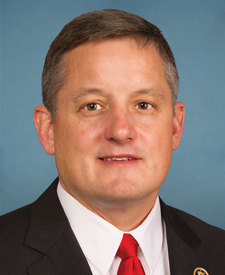



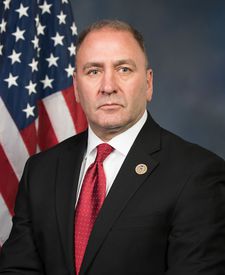
Legislative Progress
ReportedRules Committee Resolution H. Res. 1189 Reported to House. Rule …
Placed on the Union Calendar, Calendar No. 489.
Reported (Amended) by the Committee on Natural Resources. H. Rept. …
Additional sponsors: Ms. Boebert, Mr. McDowell, Mr. Collins, Mr. Calvert, …
Reported with an amendment, committed to the Committee of the …
Ordered to be Reported in the Nature of a Substitute …
Committee Consideration and Mark-up Session Held
Subcommittee on Water, Wildlife and Fisheries Discharged
Subcommittee Hearings Held
Referred to the Subcommittee on Water, Wildlife and Fisheries.
Stakeholder Effects
cui bono?How this legislation distributes effects. Mention counts reflect frequency, not effect magnitude.
Citizen-suit plaintiffs, Conservation advocates, Fish and Wildlife Service
Positive-direction: Importers of non-native CITES species, Regulated entities with ESA permits, State fish and wildlife agencies, Zoos and aquariums
Negative-direction: Citizen-suit plaintiffs, Conservation advocates, Fish and Wildlife Service, Listed non-native species, Listed species, National Marine Fisheries Service, Secretary of Commerce, Secretary of the Interior
Congressional oversight committees, Local governments
Federal project sponsors, Private landowners, Project applicants
Bill Structure & Actor Mappings
Who is "The Secretary" in each section?
- "ceq"
- → Council on Environmental Quality
- "fws"
- → Fish and Wildlife Service
- "nmfs"
- → National Marine Fisheries Service
We use a combination of our own taxonomy and classification in addition to large language models to assess meaning and potential beneficiaries. High confidence means strong textual evidence. Always verify with the original bill text.
Learn more about our methodology