Delphi Retirees Pension Restoration Act
Summary
What This Bill Does
The Delphi Retirees Pension Restoration Act restores pension benefits for eligible participants and beneficiaries in specified covered plans tied to Delphi, PHI, and ASEC. The bill treats the full vested plan benefit as a PBGC guaranteed benefit for eligible people, requires recalculation and prospective benefit adjustment, and requires a lump-sum payment within 180 days for the difference between what the person should have received and what was actually paid. It excludes participants and beneficiaries covered by certain 1999 General Motors top-up agreements. Payment comes from the PBGC fund's unobligated balance, and the Secretary of Labor must issue implementing regulations. For tax purposes, recipients can spread lump-sum catch-up income over three years unless they elect out.
Who Benefits and How
Eligible Delphi retirees benefit because PBGC must treat their full vested plan benefits as guaranteed benefits rather than paying reduced amounts. Beneficiaries and surviving spouses benefit from recalculated prospective payments and lump-sum catch-up payments. Retiree advocacy organizations benefit from a statutory remedy for long-running Delphi pension losses. Affected households benefit from three-year income spreading on lump-sum payments unless they choose otherwise.
Who Bears the Burden and How
The Pension Benefit Guaranty Corporation must recalculate benefits, issue catch-up payments within 180 days, and use unobligated fund balances. The Department of Labor must issue regulations implementing the restoration process. Federal pension insurance resources bear the cost of restored benefits. Participants covered by 1999 General Motors top-up agreements remain excluded from the new restoration payment.
Key Provisions
- Requires PBGC to treat full vested benefits under specified Delphi, PHI, and ASEC plans as guaranteed benefits for eligible participants.
- Provides prospective benefit adjustments and lump-sum catch-up payments within 180 days.
- Excludes participants and beneficiaries covered by specified 1999 General Motors top-up agreements.
- Allows three-year income spreading for lump-sum catch-up payments unless recipients elect out.
Evidence Chain:
This summary is generated from the full bill text using AI analysis. Expand "Detailed Analysis" below for identified beneficiaries/burden bearers with clause-level evidence links.
At a Glance
What This Bill Does
Requires PBGC to pay full vested benefits, prospective adjustments, and lump-sum catch-up payments to eligible Delphi plan participants and beneficiaries under specified covered Delphi, PHI, and ASEC plans, while excluding people covered by 1999 GM top-up agreements and providing tax income-spreading for catch-up payments.
Key Policy Areas
Retirement Security, Pensions, Labor, Tax
Primary Purpose
Requires PBGC to pay full vested benefits, prospective adjustments, and lump-sum catch-up payments to eligible Delphi plan participants and beneficiaries under specified covered Delphi, PHI, and ASEC plans, while excluding people covered by 1999 GM top-up agreements and providing tax income-spreading for catch-up payments.
Policy Domains
Resolution provisions
Identified Gains
- Eligible Delphi retirees
- Beneficiaries and surviving spouses
- Retiree advocacy organizations
- Affected households
Identified Costs
- Pension Benefit Guaranty Corporation
- Department of Labor
- Federal pension insurance resources
- GM top-up agreement participants
Sponsors


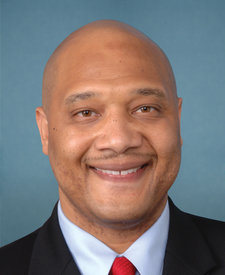


Legislative Progress
In CommitteeMrs. Spartz (for herself, Mr. Turner of Ohio, Mr. Rulli, …
Referred to the Committee on Education and Workforce, and in …
Introduced in House
Stakeholder Effects
cui bono?How this legislation distributes effects. Mention counts reflect frequency, not effect magnitude.
Affected households, Beneficiaries and surviving spouses, Eligible Delphi retirees
Department of Labor, Pension Benefit Guaranty Corporation
Bill Structure & Actor Mappings
Who is "The Secretary" in each section?
We use a combination of our own taxonomy and classification in addition to large language models to assess meaning and potential beneficiaries. High confidence means strong textual evidence. Always verify with the original bill text.
Learn more about our methodology