Disclosing Foreign Influence in Lobbying Act
Summary
What This Bill Does
The Disclosing Foreign Influence in Lobbying Act adds a new disclosure item to section 4(b) of the Lobbying Disclosure Act. A registrant would have to list the name and address of each foreign government, including agencies and regional or municipal subdivisions, and each foreign political party that participates in the direction, planning, supervision, or control of the registrant's lobbying activities. The disclosure applies even when that foreign actor is not the client. This closes a transparency gap where a lobbying client can appear domestic or private while a foreign government or party is involved in shaping the lobbying campaign.
Who Benefits and How
Members of Congress benefit because LDA filings would show when a foreign government or party is helping direct lobbying aimed at federal policy. Public-interest transparency organizations benefit from more specific registrant disclosures about foreign influence behind lobbying activity. Journalists and researchers benefit because the names and addresses of directing foreign actors become easier to connect to lobbying campaigns. U.S. voters benefit from clearer information about foreign-government participation in federal lobbying debates.
Who Bears the Burden and How
Lobbying registrants must investigate and disclose foreign governments, agencies, subdivisions, and political parties involved in directing or supervising their lobbying. Lobbying firms face added compliance risk if a foreign actor participates in planning while remaining outside the named client relationship. Foreign governments and foreign political parties lose some anonymity when they help direct U.S. lobbying activities. Justice Department and congressional disclosure reviewers must interpret and police the added registration item.
Key Provisions
- Requires LDA registrants to disclose foreign governments, agencies, subdivisions, and foreign political parties that help direct lobbying.
- Expands disclosure beyond the named client when another foreign actor participates in planning, supervision, or control.
- Improves public and congressional visibility into foreign-government influence behind lobbying campaigns.
- Amends section 4(b) registration contents rather than creating a new lobbying ban.
Evidence Chain:
This summary is generated from the full bill text using AI analysis. Expand "Detailed Analysis" below for identified beneficiaries/burden bearers.
At a Glance
What This Bill Does
Amends the Lobbying Disclosure Act to require registrants to disclose the name and address of any foreign government, foreign government agency or subdivision, or foreign political party that participates in directing, planning, supervising, or controlling the registrant's lobbying activities, even when that foreign actor is not the client.
Key Policy Areas
Lobbying Disclosure, Foreign Influence, Government Ethics
Primary Purpose
Amends the Lobbying Disclosure Act to require registrants to disclose the name and address of any foreign government, foreign government agency or subdivision, or foreign political party that participates in directing, planning, supervising, or controlling the registrant's lobbying activities, even when that foreign actor is not the client.
Policy Domains
Resolution provisions
Identified Gains
Contextual inference, no direct clause citation- Members of Congress
- Public-interest transparency organizations
- Journalists and researchers
- U.S. voters
Contextual inference, no direct clause citation
Identified Costs
Contextual inference, no direct clause citation- Lobbying registrants
- Lobbying firms
- Foreign governments
- Foreign political parties
- Justice Department disclosure reviewers
Contextual inference, no direct clause citation
Sponsors
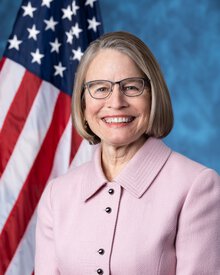
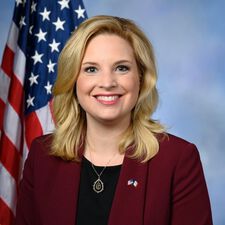

Legislative Progress
In CommitteeMrs. Miller-Meeks (for herself and Mr. Krishnamoorthi) introduced the following …
Referred to the House Committee on the Judiciary.
Introduced in House
Bill Structure & Actor Mappings
Who is "The Secretary" in each section?
We use a combination of our own taxonomy and classification in addition to large language models to assess meaning and potential beneficiaries. High confidence means strong textual evidence. Always verify with the original bill text.
Learn more about our methodology