Broadcast Freedom and Independence Act of 2025
Summary
What This Bill Does
The Broadcast Freedom and Independence Act of 2025 writes viewpoint-protection limits into the Communications Act. The bill responds to findings that FCC independence matters and that investigations, threats, action, or inaction should not be used to suppress viewpoints or intimidate broadcast licensees into aligning with a political agenda. It adds a new section 14 barring the FCC from revoking any license or authorization, or otherwise acting against any person, based in whole or in part on viewpoints broadcast or otherwise disseminated by that person or an affiliated person. It also bars viewpoint-based conditions in section 214 and section 310(d) transaction approvals. The bill preserves FCC authority to act on violations involving lottery, wire-fraud, obscenity, indecency, profanity, and First Amendment incitement standards.
Who Benefits and How
Broadcast licensees benefit because FCC license revocation and other regulatory action could not be based on viewpoint. Broadcast station owners and transaction applicants benefit because FCC approvals under sections 214 and 310(d) could not include viewpoint conditions. Viewers and listeners benefit from a clearer statutory barrier against political retaliation that could narrow available broadcast viewpoints. Civil-liberties advocates benefit from a statutory hook for challenging viewpoint-based FCC pressure.
Who Bears the Burden and How
The Federal Communications Commission loses authority to use licensing, authorizations, transaction approvals, or informal pressure to punish viewpoint. Presidential advisors and political officials face a clearer statutory barrier if they push the FCC to retaliate against broadcast viewpoints. FCC enforcement staff must separate viewpoint issues from still-permitted enforcement involving lottery, fraud, obscenity, indecency, profanity, and incitement. Public-interest groups seeking content-based FCC action may face a higher barrier when the requested action turns on viewpoint rather than unlawful content.
Key Provisions
- Prohibits FCC retaliation against licenses, authorizations, or persons based on broadcast or disseminated viewpoints.
- Bars viewpoint-based conditions in Communications Act section 214 and section 310(d) transaction approvals.
- Preserves FCC authority over specified unlawful content and First Amendment incitement.
- Strengthens FCC independence findings against political pressure or intimidation of broadcast licensees.
Evidence Chain:
This summary is generated from the full bill text using AI analysis. Expand "Detailed Analysis" below for identified beneficiaries/burden bearers with clause-level evidence links.
At a Glance
What This Bill Does
Amends the Communications Act to prohibit the Federal Communications Commission from revoking licenses, conditioning transaction approvals, or otherwise acting against broadcast licensees or other persons because of their viewpoints, while preserving authority over specified unlawful content and incitement.
Key Policy Areas
Communications, Broadcasting, First Amendment, Federal Regulation
Primary Purpose
Amends the Communications Act to prohibit the Federal Communications Commission from revoking licenses, conditioning transaction approvals, or otherwise acting against broadcast licensees or other persons because of their viewpoints, while preserving authority over specified unlawful content and incitement.
Policy Domains
Resolution provisions
Identified Gains
- Broadcast licensees
- Broadcast station owners
- Viewers and listeners
- Civil-liberties advocates
Identified Costs
- Federal Communications Commission
- Presidential advisors
- FCC enforcement staff
- Public-interest groups seeking content-based FCC action
Sponsors



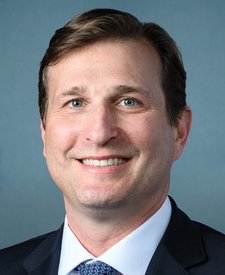
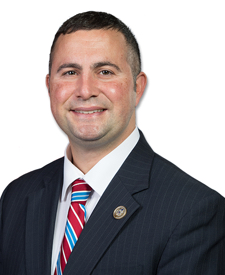
Legislative Progress
In CommitteeMs. Matsui (for herself, Ms. Barragán, and Ms. McClellan) introduced …
Referred to the House Committee on Energy and Commerce.
Introduced in House
Stakeholder Effects
cui bono?How this legislation distributes effects. Mention counts reflect frequency, not effect magnitude.
Broadcast licensees, Broadcast station owners
FCC enforcement staff, Federal Communications Commission
Bill Structure & Actor Mappings
Who is "The Secretary" in each section?
We use a combination of our own taxonomy and classification in addition to large language models to assess meaning and potential beneficiaries. High confidence means strong textual evidence. Always verify with the original bill text.
Learn more about our methodology