Broadband Grant Tax Treatment Act
Summary
What This Bill Does
The Broadband Grant Tax Treatment Act creates Internal Revenue Code section 139J. Gross income does not include qualified broadband grants made for broadband deployment, but recipients cannot also claim deductions or credits for expenditures to the extent covered by excluded grant money, and property basis is reduced by excluded amounts. Qualified grants include BEAD grants and subgrants, State Digital Equity Capacity grants, Digital Equity Competitive grants, Middle Mile grants, Rural Electrification Act broadband loan and grant pilot program funds made available through Infrastructure Investment and Jobs Act distance learning, telemedicine, and broadband funding, state, territory, tribal, or local grants funded by ARPA fiscal recovery sections 602, 603, or 604 and provided for broadband infrastructure, and grants or subgrants under section 905 of division N of the Consolidated Appropriations Act, 2021. Treasury must issue regulations or guidance, and the exclusion applies to amounts received in taxable years ending after March 11, 2023.
Who Benefits and How
Broadband providers receiving federal grants benefit because qualified deployment grants are excluded from gross income. State and local broadband subgrantees benefit from tax treatment that preserves more grant value for infrastructure buildout. Rural broadband communities benefit if tax exclusion makes grant-funded deployment projects more financially viable. Tribal broadband projects benefit because qualifying tribal government grants can be excluded when used for broadband infrastructure.
Who Bears the Burden and How
The Treasury Department must issue guidance defining and administering the exclusion and anti-double-benefit rules. Internal Revenue Service staff must enforce basis reductions and denial of deductions or credits tied to excluded amounts. Federal taxpayers bear revenue loss from excluding broadband grants from income. Grant recipients must track expenditures and property basis to avoid double tax benefits.
Key Provisions
- Creates section 139J excluding qualified broadband grants from gross income.
- Provides coverage for BEAD, Digital Equity, Middle Mile, RUS pilot, ARPA broadband, and 2021 broadband grants.
- Limits deductions, credits, and basis for expenditures funded by excluded grants.
- Requires Treasury guidance and applies to taxable years ending after March 11, 2023.
Evidence Chain:
This summary is generated from the full bill text using AI analysis. Expand "Detailed Analysis" below for identified beneficiaries/burden bearers with clause-level evidence links.
At a Glance
What This Bill Does
Excludes qualified broadband grants from gross income for broadband deployment while denying double tax benefits, reducing basis by excluded grant amounts, covering BEAD, Digital Equity, Middle Mile, Rural Utilities Service, ARPA state and local fiscal recovery broadband grants, and certain 2021 broadband grants, and applying to taxable years ending after March 11, 2023.
Key Policy Areas
Tax, Broadband, Infrastructure
Primary Purpose
Excludes qualified broadband grants from gross income for broadband deployment while denying double tax benefits, reducing basis by excluded grant amounts, covering BEAD, Digital Equity, Middle Mile, Rural Utilities Service, ARPA state and local fiscal recovery broadband grants, and certain 2021 broadband grants, and applying to taxable years ending after March 11, 2023.
Policy Domains
Resolution provisions
Identified Gains
- Broadband providers receiving federal grants
- State broadband subgrantees
- Rural broadband communities
- Tribal broadband projects
Identified Costs
- Treasury Department
- Internal Revenue Service staff
- Federal taxpayers
- Grant recipients
Sponsors
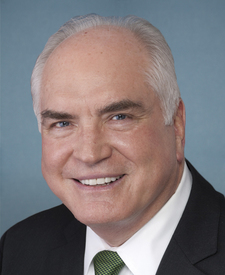
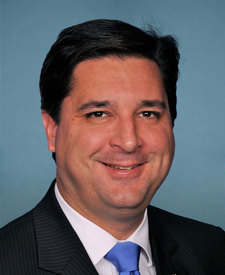

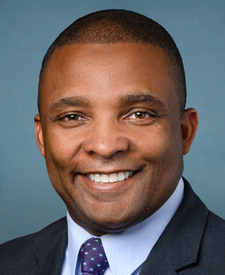

Legislative Progress
In CommitteeMr. Kelly of Pennsylvania (for himself and Mr. Panetta) introduced …
Referred to the House Committee on Ways and Means.
Introduced in House
Stakeholder Effects
cui bono?How this legislation distributes effects. Mention counts reflect frequency, not effect magnitude.
Broadband providers receiving federal grants, Rural broadband communities
Bill Structure & Actor Mappings
Who is "The Secretary" in each section?
We use a combination of our own taxonomy and classification in addition to large language models to assess meaning and potential beneficiaries. High confidence means strong textual evidence. Always verify with the original bill text.
Learn more about our methodology