MAPWaters Act of 2025
Sponsors
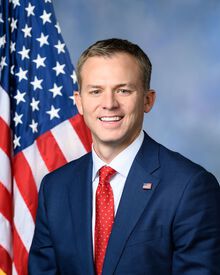


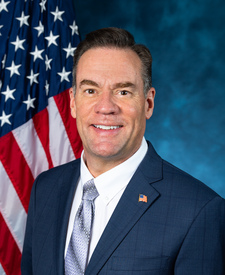
Legislative Progress
Signed into LawReceived; read twice and referred to the Committee on Energy …
Passed House (inferred from eh version)
Passed Senate (inferred from enr version)
Enrolled Bill (inferred from enr version)
Mr. Moore of Utah (for himself, Mr. Panetta, Mr. Fulcher, …
Summary
What This Bill Does
The MAPWaters Act of 2025 requires federal agencies to create a unified, publicly accessible database of information about waterway access, restrictions, and fishing regulations on federal lands. The bill aims to make it easier for recreational users to find where they can boat, fish, and access federal waters.
Who Benefits and How
Recreational boaters, anglers, and outdoor enthusiasts benefit significantly from consolidated, easy-to-access information about where they can recreate on federal waterways. They will be able to find boat ramp locations, fishing access sites, waterway restrictions, and fishing regulations in one place.
GIS and technology companies gain new contracting opportunities as federal agencies partner with the private sector to digitize and publish geospatial data.
Outdoor recreation and tourism businesses benefit from better access information that can drive more visitors to federal waterways, creating economic opportunities for guides, outfitters, and local businesses.
State and Tribal natural resource agencies can receive funding or partnership opportunities to help collect and standardize data.
Who Bears the Burden and How
Federal land management agencies (Bureau of Reclamation, National Park Service, Bureau of Land Management, Fish and Wildlife Service, and Forest Service) must invest significant resources to digitize records, develop data standards, and maintain updated databases. They face new compliance mandates and annual reporting requirements to Congress through 2034.
Federal taxpayers bear the implementation costs, though the bill authorizes partnerships with private companies that could offset some expenses.
Key Provisions
- Requires interagency data standards for geospatial waterway data within 30 months
- Mandates digitization and online publication of waterway access information within 5 years
- Covers boat ramps, fishing sites, waterway restrictions, motorization rules, fishing regulations, and marine protected areas
- Allows federal agencies to partner with technology companies, state agencies, and tribes
- Requires annual progress reports to Congress through March 30, 2034
- Explicitly excludes irrigation canals and protects archaeological site locations from disclosure
- Includes a savings clause preserving existing federal and state authority over waterways and fisheries
Evidence Chain:
This summary is derived from the structured analysis below. See "Detailed Analysis" for per-title beneficiaries/burden bearers with clause-level evidence links.
Primary Purpose
Requires federal land and water management agencies to standardize, digitize, and publish geospatial data about public waterway access, restrictions, and fishing regulations to improve public recreational access information.
Policy Domains
Legislative Strategy
"Improve public access to recreational waterway information through data standardization and transparency mandates on federal agencies"
Likely Beneficiaries
- Recreational boaters and anglers seeking access information
- Outdoor recreation industry and tourism operators
- Geospatial data and technology companies
- State and Tribal natural resource agencies
Likely Burden Bearers
- Federal land and water management agencies (compliance and data management costs)
- Bureau of Reclamation
- National Park Service
- Bureau of Land Management
- US Fish and Wildlife Service
- Forest Service
- Federal taxpayers (implementation costs)
Bill Structure & Actor Mappings
Who is "The Secretary" in each section?
- "the_secretaries"
- → Secretary of Agriculture (via Forest Service) and Secretary of the Interior jointly
- "federal_land_or_water_management_agency"
- → Bureau of Reclamation, National Park Service, Bureau of Land Management, US Fish and Wildlife Service, and Forest Service
Key Definitions
Terms defined in this bill
A defined area in which all or certain fishing activities are temporarily or permanently prohibited or restricted by a Federal land or water management agency
Bureau of Reclamation, National Park Service, Bureau of Land Management, US Fish and Wildlife Service, and Forest Service
Waters managed by one or more of the relevant Secretaries
A restriction on the access or use of a Federal waterway applied under applicable law by one or more of the Secretaries
The Secretary of Agriculture (acting through the Chief of the Forest Service) and the Secretary of the Interior
Each of the several States, the District of Columbia, and each territory of the United States
We use a combination of our own taxonomy and classification in addition to large language models to assess meaning and potential beneficiaries. High confidence means strong textual evidence. Always verify with the original bill text.
Learn more about our methodology