To modify the requirements applicable to locatable minerals on public domain lands, consistent with the principles of self-initiation of mining claims, and for other purposes.
Sponsors

Legislative Progress
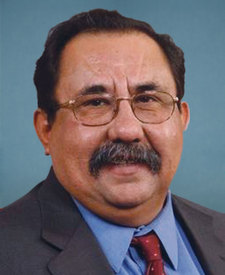
IntroducedMr. Grijalva (for himself and Mr. Huffman) introduced the following …
Summary
What This Bill Does
The Mining Waste, Fraud, and Abuse Prevention Act of 2025 fundamentally transforms how hardrock mining (gold, silver, copper, uranium, and other non-fuel minerals) operates on federal public lands. It closes federal lands to new mining claims under the 1872 Mining Law and replaces the 150-year-old system with a modern leasing and permitting framework that requires miners to pay royalties, post financial bonds, and meet strict environmental standards.
Who Benefits and How
Federal Treasury and Taxpayers: The government gains new revenue streams through royalties (8-12.5% of production value), claim maintenance fees ($200/year), user fees, and displaced material reclamation fees (7 cents per ton). A portion of this revenue funds cleanup of abandoned mines.
Environmental and Conservation Groups: The bill prohibits mining that would impair National Parks, monuments, and wilderness areas. It establishes strict reclamation requirements, requires financial assurance bonds before operations begin, and enables citizen lawsuits to enforce compliance.
Indian Tribes: Agencies must consult with tribes before any mining activities that could impact tribal lands, cultural practices, sacred sites, or treaty rights.
Small Miners: Qualified small miners (under $50,000 annual income, 10 or fewer claims) receive preferential treatment including reduced fees, no royalties, and simplified lease terms.
Who Bears the Burden and How
Large Mining Companies: Face substantially higher costs through new royalty payments (8-12.5% of gross production), claim maintenance fees, reclamation bonds, user fees, and displaced material fees. They must also meet new environmental standards and reporting requirements.
Existing Mining Claim Holders: Must convert claims to leases within 10 years (3 years for small miners) or lose them. Claims without approved operations plans face an accelerated timeline.
Mining Industry Generally: New barrier to entry through competitive leasing, permit requirements, suitability determinations, and eligibility restrictions that exclude violators of environmental, health, or worker safety laws.
Key Provisions
- Ends free access to federal minerals: Closes federal lands to new claims under the 1872 Mining Law; requires prospecting licenses or leases for commercial mining
- Imposes first-ever federal royalties on hardrock minerals: 8% for existing operations, 12.5% for new operations on the gross value of production
- Requires reclamation bonding: Operators must post financial assurance covering 100% of estimated reclamation costs before beginning work
- Protects conservation lands: Prohibits mining activities that would impair National Parks, monuments, wilderness areas, and other special designations
- Creates enforcement mechanisms: Establishes civil penalties up to $25,000/day for violations, enables citizen suits, and requires public disclosure of mining records
- Funds abandoned mine cleanup: Dedicates 75% of collected fees and royalties to the Abandoned Hardrock Mine Reclamation Program
Evidence Chain:
This summary is derived from the structured analysis below. See "Detailed Analysis" for per-title beneficiaries/burden bearers with clause-level evidence links.
Primary Purpose
We use a combination of our own taxonomy and classification in addition to large language models to assess meaning and potential beneficiaries. High confidence means strong textual evidence. Always verify with the original bill text.
Learn more about our methodology