Women Veterans Cancer Care Coordination Act
Summary
What This Bill Does
Requires the Department of Veterans Affairs to hire or designate regional breast and gynecologic cancer care coordinators across Veterans Integrated Services Networks to support eligible women veterans receiving community care and to report on outcomes and coordination needs.
Who Benefits and How
Women veterans with breast or gynecologic cancers who receive care through non-VA providers could benefit from more consistent coordination, follow-up, and monitoring across VA and community settings.
Who Bears the Burden and How
The VA must establish regional coordinators, track clinical and safety outcomes, maintain documentation, and produce a multiyear report comparing outcomes and identifying resource needs.
Key Provisions
- Requires VA to hire or designate a regional breast and gynecologic cancer care coordinator in each VISN within one year.
- Makes eligible certain veterans with breast or gynecologic cancer or precancerous conditions who receive care through the Veterans Community Care Program.
- Assigns duties around care coordination, patient contact, recordkeeping, outcome monitoring, and emergency-care and mental-health information.
- Requires a report to Congress after three years comparing outcomes, timeliness, safety, and additional resource needs.
Evidence Chain:
This summary is generated from the full bill text using AI analysis. Expand "Detailed Analysis" below for identified beneficiaries/burden bearers.
At a Glance
What This Bill Does
Requires the Department of Veterans Affairs to hire or designate regional breast and gynecologic cancer care coordinators across Veterans Integrated Services Networks to support eligible women veterans receiving community care and to report on outcomes and coordination needs.
Key Policy Areas
Healthcare, Veterans Affairs, Women's Health
Primary Purpose
Requires the Department of Veterans Affairs to hire or designate regional breast and gynecologic cancer care coordinators across Veterans Integrated Services Networks to support eligible women veterans receiving community care and to report on outcomes and coordination needs.
Policy Domains
Main Provisions
Identified Gains
Contextual inference, no direct clause citation- Women veterans with breast or gynecologic cancers who need better coordination between VA and community providers
Contextual inference, no direct clause citation
Identified Costs
Contextual inference, no direct clause citation- The Department of Veterans Affairs, which must staff the coordinators and manage the additional tracking and reporting obligations
Contextual inference, no direct clause citation
Sponsors


Legislative Progress
Passed HouseReceived; read twice and referred to the Committee on Veterans' …
Received in the Senate and Read twice and referred to …
Passed House (inferred from eh version)
Motion to reconsider laid on the table Agreed to without …
On motion to suspend the rules and pass the bill, …
Passed/agreed to in House: On motion to suspend the rules …
DEBATE - The House proceeded with forty minutes of debate …
Considered under suspension of the rules. (consideration: CR H4282)
Mr. Bost moved to suspend the rules and pass the …
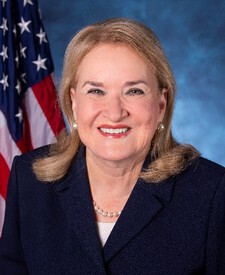
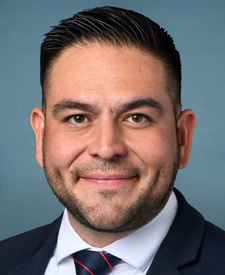
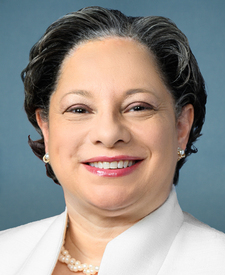
Additional sponsors: Ms. McClellan, Mr. Gottheimer, Ms. Titus, Ms. Elfreth, …
Stakeholder Effects
cui bono?How this legislation distributes effects. Mention counts reflect frequency, not effect magnitude.
Community cancer care providers serving veterans, Department of Veterans Affairs - Healthcare Administration
Veterans receiving pensions subject to section 5503(d)(7) limits, Women veterans with breast or gynecologic cancer
Breast and Gynecologic Oncology System of Excellence (BGOSoE)
Bill Structure & Actor Mappings
Who is "The Secretary" in each section?
We use a combination of our own taxonomy and classification in addition to large language models to assess meaning and potential beneficiaries. High confidence means strong textual evidence. Always verify with the original bill text.
Learn more about our methodology