To authorize the Secretary of the Interior to coordinate Federal and State permitting processes related to the construction of new surface water storage projects on lands under the jurisdiction of the Secretary of the Interior and the Secretary of Agriculture and to designate the Bureau of Reclamation as the lead agency for permit processing, and for other purposes.
Summary
What This Bill Does
The bill requires definitions In this Act: The term Bureau means the Bureau of Reclamation, establishes lead agency and cooperating agencies The Bureau is established as the lead agency for purposes of coordinating all reviews, analyses, opinions, statements, permits, licenses, or other approvals or decisions, and provides bureau responsibilities The principal responsibilities of the Bureau under this Act are— to serve as the point of contact for applicants, State agencies, Indian tribes, and others regarding proposed qualifying. It relies on reporting requirements, compliance mandates, delegation of rulemaking, and definition changes. The main policy areas are Agriculture, Environment, and Civil Rights.
Who Benefits and How
Water infrastructure operators and water users affected by the bill could gain revenue opportunities, Agricultural producers and rural communities affected by the bill could gain revenue opportunities, and Tribal governments and members affected by the bill could gain revenue opportunities.
Who Bears the Burden and How
Federal, state, or local agencies responsible for implementing the clause would take on compliance duties, Water infrastructure operators and water users affected by the bill would take on compliance duties, and Agricultural producers and rural communities affected by the bill would take on compliance duties.
Key Provisions
- Requires definitions In this Act: The term Bureau means the Bureau of Reclamation.
- Establishes lead agency and cooperating agencies The Bureau is established as the lead agency for purposes of coordinating all reviews, analyses, opinions, statements, permits, licenses, or other approvals or decisions...
- Provides bureau responsibilities The principal responsibilities of the Bureau under this Act are— to serve as the point of contact for applicants, State agencies, Indian tribes, and others regarding proposed qualifying...
- Requires cooperating agency responsibilities On notification of an application for a qualifying project, the head of each cooperating agency shall submit to the Bureau a timeframe under which the cooperating agency...
- Requires funding to process permits The Secretary, after public notice in accordance with subchapter II of chapter 5, and chapter 7, of title 5, United States Code (commonly known as the Administrative Procedure Act)...
Evidence Chain:
This summary is generated from the full bill text using AI analysis. Expand "Detailed Analysis" below for identified beneficiaries/burden bearers with clause-level evidence links.
At a Glance
What This Bill Does
The bill requires definitions In this Act: The term Bureau means the Bureau of Reclamation, establishes lead agency and cooperating agencies The Bureau is established as the lead agency for purposes of coordinating all reviews, analyses, opinions, statements, permits, licenses, or other approvals or decisions, and provides bureau responsibilities The principal responsibilities of the Bureau under this Act are— to serve as the point of contact for applicants, State agencies, Indian tribes, and others regarding proposed qualifying.
Key Policy Areas
Agriculture, Environment, Civil Rights
Primary Purpose
The bill requires definitions In this Act: The term Bureau means the Bureau of Reclamation, establishes lead agency and cooperating agencies The Bureau is established as the lead agency for purposes of coordinating all reviews, analyses, opinions, statements, permits, licenses, or other approvals or decisions, and provides bureau responsibilities The principal responsibilities of the Bureau under this Act are— to serve as the point of contact for applicants, State agencies, Indian tribes, and others regarding proposed qualifying.
Policy Domains
Whole bill
Identified Gains
- Water infrastructure operators and water users affected by the bill
- Agricultural producers and rural communities affected by the bill
- Tribal governments and members affected by the bill
- Environmental and public health interests affected by the bill
- Public beneficiaries or protected communities affected by the clause
Identified Costs
- Federal, state, or local agencies responsible for implementing the clause
- Water infrastructure operators and water users affected by the bill
- Agricultural producers and rural communities affected by the bill
- Environmental and public health interests affected by the bill
- Public beneficiaries or protected communities affected by the clause
Sponsors


Legislative Progress
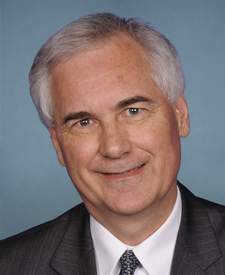
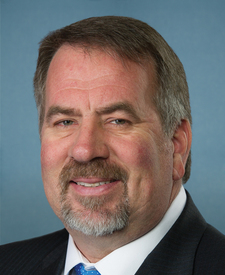
IntroducedMr. McClintock (for himself, Mr. LaMalfa, Mr. Stauber, and Mr. …
Impact analysis is available but no clear stakeholder effects identified. View clause-level analysis →
Bill Structure & Actor Mappings
Who is "The Secretary" in each section?
We use a combination of our own taxonomy and classification in addition to large language models to assess meaning and potential beneficiaries. High confidence means strong textual evidence. Always verify with the original bill text.
Learn more about our methodology