Houthi Human Rights Accountability Act
Summary
What This Bill Does
The Houthi Human Rights Accountability Act is a Yemen human-rights and sanctions oversight bill. Congress states that Houthi indoctrination of Yemenis into violent, antisemitic, and extremist views threatens a Yemeni-led peace process and regional stability, and that U.S. policy should not support Houthi coercion or indoctrination. Within 180 days, the Secretary of State, consulting USAID, must report on Houthi indoctrination and its long-term regional-stability threat. State and USAID also must report on obstacles to humanitarian aid in de facto Houthi-controlled areas, including Houthi rules and bureaucracy limiting access or movement, manipulation of beneficiary lists or data, violence and intimidation against humanitarian workers and diplomats, including current and former U.S. Embassy locally employed staff, and U.S. partner steps to prevent diversion. The Secretary of State must report on Houthi human-rights abuses since March 1, 2015, including gender-based discrimination and violence, mahram regulations, child-soldier recruitment, enforced disappearance, arbitrary detention, torture, and unlawful killing. For five years, State and Treasury must annually determine whether Houthi members meet Global Magnitsky sanctions criteria for aid obstruction or human-rights abuses, and whether Houthi members or supporters meet Robert Levinson hostage-taking sanctions criteria for U.S. national hostage-taking or wrongful detention.
Who Benefits and How
Yemeni civilians benefit because Congress receives reports on Houthi indoctrination, human-rights abuses, and aid obstruction that can support accountability. Humanitarian organizations benefit from required analysis of Houthi rules, beneficiary-list manipulation, violence, intimidation, diversion, and access restrictions. U.S. Embassy locally employed staff benefit because violence and intimidation against them must be evaluated. U.S. nationals wrongfully detained abroad benefit because Houthi-linked hostage-taking must be assessed for sanctions. Congressional foreign affairs and appropriations committees benefit from reports and annual sanctions determinations. Human-rights advocates benefit from documentation of mahram rules, child soldiers, enforced disappearance, arbitrary detention, torture, and unlawful killing.
Who Bears the Burden and How
The Secretary of State must produce reports, evaluate Houthi abuses, and make annual sanctions determinations. USAID must consult on indoctrination and humanitarian-aid obstruction reports. The Treasury Secretary must consult on Global Magnitsky and hostage-taking sanctions determinations. Houthi members who restrict aid, commit abuses, or take U.S. nationals hostage face increased sanctions exposure. Foreign persons providing material, financial, technological, goods, or services support for hostage-taking activity face sanctions review. U.S.-supported organizations operating in Yemen must describe how they respond to Houthi diversion or interference.
Key Provisions
- Requires a State and USAID report within 180 days on Houthi indoctrination and regional-stability threats.
- Requires a report on Houthi obstacles to humanitarian aid in areas under de facto Houthi control.
- Requires assessment of Houthi aid diversion, beneficiary-list manipulation, and violence against humanitarian workers and diplomats.
- Requires a State Department report on Houthi human-rights abuses since March 1, 2015.
- Requires annual Global Magnitsky sanctions determinations for Houthi members tied to aid obstruction or abuses.
- Requires annual hostage-taking sanctions determinations for Houthi members and supporters tied to U.S. national detention.
- Defines Houthis as Ansarallah and identifies covered congressional committees.
- Sunsets the Act five years after enactment.
Evidence Chain:
This summary is generated from the full bill text using AI analysis. Expand "Detailed Analysis" below for identified beneficiaries/burden bearers with clause-level evidence links.
At a Glance
What This Bill Does
Requires State Department and USAID reports on Houthi indoctrination, humanitarian-aid obstruction, and human rights abuses in Yemen; requires annual State and Treasury determinations on whether Houthi members meet Global Magnitsky or hostage-taking sanctions criteria; covers aid restrictions, child soldiers, arbitrary detention, torture, unlawful killing, mahram rules, U.S. national hostage-taking, and support for those acts; and sunsets after five years.
Key Policy Areas
Foreign Affairs, Human Rights, Sanctions
Primary Purpose
Requires State Department and USAID reports on Houthi indoctrination, humanitarian-aid obstruction, and human rights abuses in Yemen; requires annual State and Treasury determinations on whether Houthi members meet Global Magnitsky or hostage-taking sanctions criteria; covers aid restrictions, child soldiers, arbitrary detention, torture, unlawful killing, mahram rules, U.S. national hostage-taking, and support for those acts; and sunsets after five years.
Policy Domains
House resolution provisions
Identified Gains
- Yemeni civilians
- Humanitarian organizations operating in Yemen
- U.S. Embassy locally employed staff
- U.S. nationals wrongfully detained abroad
- Congressional foreign affairs committees
- Human-rights advocates
Identified Costs
- Secretary of State
- U.S. Agency for International Development
- Secretary of the Treasury
- Houthi members restricting humanitarian aid
- Foreign persons supporting hostage-taking
- U.S.-supported organizations operating in Yemen
Sponsors


Legislative Progress
ReportedOrdered to be Reported in the Nature of a Substitute …
Committee Consideration and Mark-up Session Held
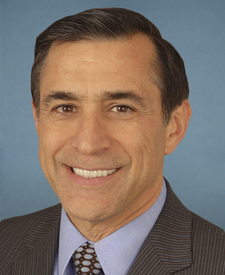
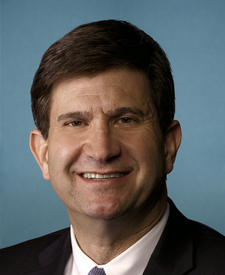
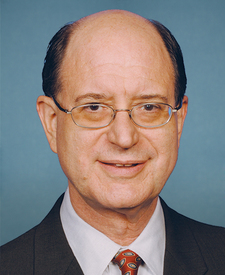
Mr. Issa (for himself, Mr. Sherman, Mr. Lawler, Mr. Schneider, …
Referred to the Committee on Foreign Affairs, and in addition …
Introduced in House
Stakeholder Effects
cui bono?How this legislation distributes effects. Mention counts reflect frequency, not effect magnitude.
Foreign persons supporting hostage-taking, Houthi members restricting humanitarian aid, Humanitarian organizations operating in Yemen
Positive-direction: Humanitarian organizations operating in Yemen, Yemeni civilians
Negative-direction: Foreign persons supporting hostage-taking, Houthi members restricting humanitarian aid, Secretary of State, U.S. Agency for International Development
Bill Structure & Actor Mappings
Who is "The Secretary" in each section?
- "state"
- → Department of State
- "usaid"
- → U.S. Agency for International Development
- "treasury"
- → Department of the Treasury
We use a combination of our own taxonomy and classification in addition to large language models to assess meaning and potential beneficiaries. High confidence means strong textual evidence. Always verify with the original bill text.
Learn more about our methodology