To prohibit the availability of Federal funds to support the Armed Forces of Lebanon, and for other purposes.
Analysis under review: This bill has generated analysis that may be too generic or incomplete. Clause-level evidence remains available below.
Summary
What This Bill Does
This bill cuts off US military aid to Lebanon's armed forces until Lebanon removes Hezbollah from its government, disarms all militias per UN resolutions, and eliminates Iranian influence. It also stops US funding for UN development programs that assist Lebanese security forces.
Who Benefits and How
US national security interests benefit by conditioning aid on concrete anti-terrorism measures. Israeli security interests benefit as the bill requires Lebanon to drop charges against American journalists who appeared on Israeli media. Anti-Hezbollah political factions in Lebanon may benefit if aid conditions pressure the government to marginalize Hezbollah.
Who Bears the Burden and How
Lebanese Armed Forces lose access to US military aid, equipment, and training until strict conditions are met. United Nations Development Programme loses US funding for Lebanese security assistance programs. Lebanese government officials face pressure to cut ties with Hezbollah coalition partners or lose American support.
Key Provisions
- Prohibits US military aid to Lebanon until Hezbollah is expelled from government and disarmed
- Blocks US contributions to UN development programs supporting Lebanese security forces
- Designates Suhil Bahij Gharab as a global terrorist
- Requires biannual reports on Hezbollah and Iranian influence in Lebanon
Evidence Chain:
This summary is generated from the full bill text using AI analysis. Expand "Detailed Analysis" below for identified beneficiaries/burden bearers.
At a Glance
What This Bill Does
Restricts United States military and development aid to Lebanon until the Lebanese government eliminates Hezbollah's political and military influence, implements UN Security Council resolutions on militia disarmament, and severs ties with Iran-backed groups.
Key Policy Areas
Foreign Affairs, Defense, Counterterrorism, Foreign Aid
Primary Purpose
Restricts United States military and development aid to Lebanon until the Lebanese government eliminates Hezbollah's political and military influence, implements UN Security Council resolutions on militia disarmament, and severs ties with Iran-backed groups.
Policy Domains
PAGER Act - Preventing Armed Groups from Engaging in Radicalism
Identified Gains
Contextual inference, no direct clause citation- US national security interests
- Israeli security interests
- Anti-Hezbollah Lebanese political factions
- American journalists targeted by Lebanese courts
Contextual inference, no direct clause citation
Identified Costs
Contextual inference, no direct clause citation- Lebanese Armed Forces
- Lebanese government
- United Nations Development Programme
- Hezbollah and allied political parties
Contextual inference, no direct clause citation
Legislative Progress
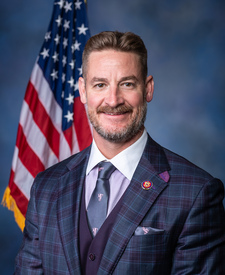
IntroducedMr. Steube introduced the following bill; which was referred to …
Stakeholder Effects
cui bono?How this legislation distributes effects. Mention counts reflect frequency, not effect magnitude.
Central Intelligence Agency, Department of Defense, Hezbollah and allied political parties
Positive-direction: US national security interests
Negative-direction: Central Intelligence Agency, Department of Defense, Hezbollah and allied political parties, Lebanese Armed Forces, Lebanese Armed Forces members, Lebanese Internal Security Forces members
Bill Structure & Actor Mappings
Who is "The Secretary" in each section?
- "the_secretary"
- → Secretary of State
- "appropriate_congressional_committees"
- → House Foreign Affairs, House Armed Services, Senate Foreign Relations, Senate Armed Services
Key Definitions
Terms defined in this bill
The Committee on Foreign Affairs and the Committee on Armed Services of the House of Representatives; and the Committee on Foreign Relations and the Committee on Armed Services of the Senate
We use a combination of our own taxonomy and classification in addition to large language models to assess meaning and potential beneficiaries. High confidence means strong textual evidence. Always verify with the original bill text.
Learn more about our methodology