Move the ICC Out of NYC Act of 2025
Summary
What This Bill Does
The Move the ICC Out of NYC Act responds to the International Criminal Court's office at United Nations headquarters in New York. The findings stress that the United States joined the United Nations through the Charter, authorized the U.N. headquarters through the United Nations Headquarters Agreement Act, has not ratified the Rome Statute, and does not recognize ICC jurisdiction inside the United States or over U.S. persons. The operative section requires the U.S. Ambassador to the United Nations, within 30 days after the opening date of the 80th U.N. General Assembly, to seek negotiations for a supplemental agreement to the U.N. Headquarters Agreement. The requested agreement would prohibit the United Nations from hosting, leasing, or otherwise allowing the ICC to use U.N. facilities located in the United States.
Who Benefits and How
U.S. officials opposing ICC jurisdiction benefit because the bill creates a diplomatic mandate to push the ICC out of U.N. facilities in the United States. U.S. persons concerned about ICC activity benefit from a congressional effort to limit ICC physical presence at U.N. headquarters. Members of Congress on foreign affairs committees benefit from a clear statutory negotiating instruction to the U.N. Ambassador. United Nations headquarters agreement negotiators benefit from a defined congressional position for supplemental-agreement talks.
Who Bears the Burden and How
The U.S. Ambassador to the United Nations must seek negotiations within 30 days after the 80th General Assembly opens. The Department of State must support negotiations over a supplemental U.N. Headquarters Agreement. The United Nations Secretariat would face pressure to stop hosting, leasing, or allowing ICC use of facilities in the United States. International Criminal Court staff in New York risk losing access to U.N. facilities in the United States if negotiations succeed.
Key Provisions
- Requires the U.N. Ambassador to seek supplemental headquarters-agreement negotiations.
- Targets U.N. hosting, leasing, or facility use by the International Criminal Court in the United States.
- Defines ICC, Rome Statute, and U.N. Headquarters Agreement terms.
- Uses U.S.-U.N. diplomacy rather than direct domestic eviction authority.
Evidence Chain:
This summary is generated from the full bill text using AI analysis. Expand "Detailed Analysis" below for identified beneficiaries/burden bearers with clause-level evidence links.
At a Glance
What This Bill Does
Directs the U.S. Ambassador to the United Nations, within 30 days after the 80th U.N. General Assembly opens, to seek negotiations for a supplemental U.N. Headquarters Agreement barring the United Nations from hosting, leasing, or otherwise allowing International Criminal Court use of U.N. facilities in the United States.
Key Policy Areas
Foreign Affairs, United Nations, International Criminal Court
Primary Purpose
Directs the U.S. Ambassador to the United Nations, within 30 days after the 80th U.N. General Assembly opens, to seek negotiations for a supplemental U.N. Headquarters Agreement barring the United Nations from hosting, leasing, or otherwise allowing International Criminal Court use of U.N. facilities in the United States.
Policy Domains
Resolution provisions
Identified Gains
- U.S. officials opposing ICC jurisdiction
- U.S. persons
- Foreign affairs committee members
- U.N. headquarters agreement negotiators
Identified Costs
- U.S. Ambassador to the United Nations
- Department of State
- United Nations Secretariat
- International Criminal Court staff
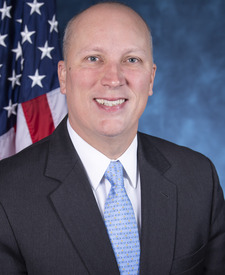
Sponsors
Legislative Progress
In CommitteeMr. Roy introduced the following bill; which was referred to …
Referred to the House Committee on Foreign Affairs.
Introduced in House
Stakeholder Effects
cui bono?How this legislation distributes effects. Mention counts reflect frequency, not effect magnitude.
Department of State, U.S. Ambassador to the United Nations, U.S. officials opposing ICC jurisdiction
International Criminal Court staff
Bill Structure & Actor Mappings
Who is "The Secretary" in each section?
We use a combination of our own taxonomy and classification in addition to large language models to assess meaning and potential beneficiaries. High confidence means strong textual evidence. Always verify with the original bill text.
Learn more about our methodology