Child Care Workforce Act
Summary
What This Bill Does
The Child Care Workforce Act uses wage supplements to address child care labor shortages and affordability. Its purpose is to increase the supply of quality child care services by funding states, Indian Tribes, and Tribal organizations to implement or strengthen wage-supplement programs for eligible child care workers. Eligible workers are individuals whose primary daily work is providing child care, direct care, or education services in licensed, regulated, or registered center-based or home-based settings. HHS must award competitive grants based on child population, existing licensed workers, worker wages, unmet subsidy eligibility, and need for more workers. Applications must show need, commit funds to low-wage eligible workers, explain eligibility criteria, prioritize areas with staffing challenges, underserved geographies, low-income child care shortages, infant and toddler care shortages, disability care, and nontraditional hours, describe payment delivery, run worker awareness campaigns, measure attraction, retention, worker well-being, quality, and affordable care availability, and plan for destabilization after funds end. Grant funds must be used solely for wage supplements except up to 10 percent for administration, financial counseling, and awareness campaigns. Payments must be at least quarterly, worker acceptance is voluntary, HHS must report evaluation results within two years, and such sums as necessary are authorized for fiscal year 2025 and later.
Who Benefits and How
Eligible child care workers benefit from wage supplements that must be paid at least quarterly and targeted to low-wage workers. Families needing child care benefit if wage supplements improve worker retention and expand affordable child care availability. States and Tribal governments benefit from competitive grants to build or strengthen child care workforce compensation programs. Child care providers benefit if wage supplements help recruit and retain workers in licensed or registered settings. Underserved communities benefit because grant plans must prioritize staffing shortages, low-income families, infant and toddler care, disability care, and nontraditional hours.
Who Bears the Burden and How
The Department of Health and Human Services must run the pilot, review applications, evaluate results, and report to Congress. States, Indian Tribes, and Tribal organizations must design eligibility rules, payment systems, awareness campaigns, and outcome measures. Grant recipients may use no more than 10 percent of funds for administrative costs, counseling, and outreach. Federal taxpayers bear the cost of such sums as Congress appropriates for fiscal year 2025 and later. Child care workers must consider tax and public benefit effects before voluntarily accepting supplements.
Key Provisions
- Creates competitive HHS grants for state, tribal, and Tribal organization child care worker wage supplements.
- Requires wage supplements to be targeted, voluntary, and disbursed at least quarterly.
- Requires applications to prioritize underserved areas, low-income families, infant and toddler care, disability care, and nontraditional hours.
- Limits administrative uses to 10 percent and requires tax and benefit counseling for workers.
- Requires HHS evaluation reporting within two years and authorizes such sums as necessary.
Evidence Chain:
This summary is generated from the full bill text using AI analysis. Expand "Detailed Analysis" below for identified beneficiaries/burden bearers with clause-level evidence links.
At a Glance
What This Bill Does
Creates an HHS competitive pilot grant program for states, Indian Tribes, and Tribal organizations to supplement eligible child care worker wages, disburse payments at least quarterly, target highest-need areas, educate workers on tax and benefit effects, evaluate outcomes, report to Congress within two years, and authorize such sums as necessary from fiscal year 2025 forward.
Key Policy Areas
Child Care, Workforce, Grants
Primary Purpose
Creates an HHS competitive pilot grant program for states, Indian Tribes, and Tribal organizations to supplement eligible child care worker wages, disburse payments at least quarterly, target highest-need areas, educate workers on tax and benefit effects, evaluate outcomes, report to Congress within two years, and authorize such sums as necessary from fiscal year 2025 forward.
Policy Domains
Resolution provisions
Identified Gains
- Eligible child care workers
- Families needing child care
- States and Tribal governments
- Child care providers
- Underserved communities
Identified Costs
- Department of Health and Human Services
- State child care agencies
- Tribal organizations
- Federal taxpayers
- Child care workers
Sponsors
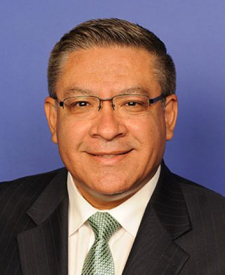


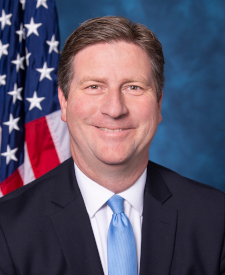
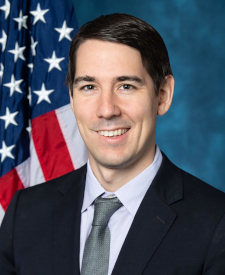
Legislative Progress
In CommitteeMr. Carbajal (for himself, Mr. Lawler, Ms. Davids of Kansas, …
Referred to the House Committee on Education and Workforce.
Introduced in House
Stakeholder Effects
cui bono?How this legislation distributes effects. Mention counts reflect frequency, not effect magnitude.
Child care providers, Eligible child care workers
Bill Structure & Actor Mappings
Who is "The Secretary" in each section?
We use a combination of our own taxonomy and classification in addition to large language models to assess meaning and potential beneficiaries. High confidence means strong textual evidence. Always verify with the original bill text.
Learn more about our methodology