SPARE Act
Analysis under review: This bill has generated analysis that may be too generic or incomplete. Clause-level evidence remains available below.
Summary
What This Bill Does
This bill, To prohibit the use of animals in federally funded research, promote the adoption of humane and scientifically advanced alternatives, and ensure the ethical rehoming of retired research animals, and for other purposes., changes federal law or congressional policy affecting federal agencies and legislative administrators. The main policy domain is Government Operations, Technology, Science & Space.
Who Benefits and How
federal agencies and legislative administrators may benefit from new authority, funding, eligibility, regulatory clarity, or reduced risk created by the bill.
Who Bears the Burden and How
federal implementing agencies may take on implementation duties, reporting obligations, compliance costs, or oversight responsibilities.
Key Provisions
- Section HA34A3D2C464B4B48BB8F9133C3ACAFA8: 1. Short title This Act may be cited as the Safeguard Pets, Animals, and Research Ethics Act or the SPARE Act.
- Section H6450983549D44B0291C2A7F8617941C3: 2. Findings Congress finds the following: Tens of millions of animals are used annually in federally funded research, including dogs, cats, rabbits, primates,...
- Section H73EC7EE14F884FED856C55B154AA2BDE: 3. Prohibition on certain research, testing, and experimentation that utilizes an animal Except as otherwise provided in this section, a Federal department,...
Evidence Chain:
This summary is generated from the full bill text using AI analysis. Expand "Detailed Analysis" below for identified beneficiaries/burden bearers with clause-level evidence links.
At a Glance
What This Bill Does
This bill, To prohibit the use of animals in federally funded research, promote the adoption of humane and scientifically advanced alternatives, and ensure the ethical rehoming of retired research animals, and for other purposes., changes federal law or congressional policy affecting federal agencies and legislative administrators.
Key Policy Areas
Government Operations, Technology, Science & Space
Primary Purpose
This bill, To prohibit the use of animals in federally funded research, promote the adoption of humane and scientifically advanced alternatives, and ensure the ethical rehoming of retired research animals, and for other purposes., changes federal law or congressional policy affecting federal agencies and legislative administrators.
Policy Domains
Whole bill
Identified Gains
- federal agencies and legislative administrators
Identified Costs
- federal implementing agencies
Sponsors


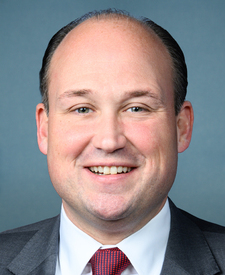
Legislative Progress
In CommitteeReferred to the Subcommittee on Livestock, Dairy, and Poultry.
Referred to the Subcommittee on Conservation, Research, and Biotechnology.
Ms. Malliotakis (for herself and Mr. Bean of Florida) introduced …
Referred to the Committee on Science, Space, and Technology, and …
Introduced in House
Impact analysis is available but no clear stakeholder effects identified. View clause-level analysis →
Bill Structure & Actor Mappings
Who is "The Secretary" in each section?
- "secretary_of_agriculture"
- → Secretary of Agriculture
Key Definitions
Terms defined in this bill
research on a dog or cat with a naturally occurring disease or injury that is conducted— for the benefit of the dog or cat
We use a combination of our own taxonomy and classification in addition to large language models to assess meaning and potential beneficiaries. High confidence means strong textual evidence. Always verify with the original bill text.
Learn more about our methodology