Promptly Ending Political Prosecutions and Executive Retaliation Act of 2025
Summary
What This Bill Does
The Promptly Ending Political Prosecutions and Executive Retaliation Act rewrites federal officer removal rules in title 28. It lets current federal officers, former federal officers, the President, the Vice President, former Presidents, and former Vice Presidents remove state civil actions or criminal prosecutions to federal court when the case relates to acts while in office or could interfere with presidential or vice-presidential duties. The removing party needs only a prima facie showing that removal standards are met, and the amendments apply to pending cases as well as future cases.
Who Benefits and How
Current Presidents benefit because state cases tied to official acts or cases that may hinder presidential duties can move to federal court. Current Vice Presidents receive the same removal path. Former Presidents and former Vice Presidents benefit because cases relating to acts while in office are expressly covered. Federal officials charged in state court benefit from automatic removal when a prima facie showing is made and from a new presumption of official immunity after removal.
Who Bears the Burden and How
State prosecutors must litigate covered prosecutions in federal court and overcome a higher barrier before proceeding. State courts lose control over cases once federal removal standards are facially met. Federal district courts must handle more removed civil and criminal cases and consider immunity dismissals. State-law plaintiffs and complaining witnesses face delay or dismissal risk when claims against federal officials are transferred to the federal forum.
Key Provisions
- Expands section 1442 removal to former federal officers and to discretionary exercises of official authority.
- Adds explicit removal rights for the President, Vice President, former Presidents, and former Vice Presidents for acts while in office.
- Requires criminal prosecutions to be removed when the defendant makes a prima facie showing for federal officer removal.
- Authorizes summary dismissal or other dismissal after removal, including dismissal under the new official-immunity section.
- Creates a presumption of Supremacy Clause immunity for federal officials in removed cases, rebuttable only by clear and convincing evidence.
- Bars courts from treating the existence of a state-law element or alleged criminality as evidence defeating official immunity.
Evidence Chain:
This summary is generated from the full bill text using AI analysis. Expand "Detailed Analysis" below for identified beneficiaries/burden bearers with clause-level evidence links.
At a Glance
What This Bill Does
Expands federal-court removal and immunity protections for current and former federal officials, including the President and Vice President, by allowing removal of state civil or criminal actions for official acts on a prima facie showing, requiring automatic criminal-case removal when that showing is made, allowing dismissal after removal, and creating a Supremacy Clause immunity presumption rebuttable only by clear and convincing evidence.
Key Policy Areas
Judiciary, Executive Power, Criminal Justice, Federalism
Primary Purpose
Expands federal-court removal and immunity protections for current and former federal officials, including the President and Vice President, by allowing removal of state civil or criminal actions for official acts on a prima facie showing, requiring automatic criminal-case removal when that showing is made, allowing dismissal after removal, and creating a Supremacy Clause immunity presumption rebuttable only by clear and convincing evidence.
Policy Domains
House resolution provisions
Identified Gains
- Current federal executive officers
- Former federal executive officers
- Federal officers serving in executive agencies
- Federal officials charged in state courts
- Federal agency personnel sued under state law
- Executive branch attorneys defending removal petitions
Identified Costs
- State courts
- Federal district courts
- State attorneys general
- District attorneys prosecuting state cases
- County attorneys handling state prosecutions
- State-law plaintiffs
Sponsors
Legislative Progress
ReportedReported with an amendment, committed to the Committee of the …
Placed on the Union Calendar, Calendar No. 18.
Reported (Amended) by the Committee on Judiciary. H. Rept. 119-28.
Ordered to be Reported (Amended) by the Yeas and Nays: …
Committee Consideration and Mark-up Session Held
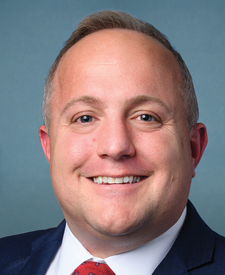
Mr. Fry introduced the following bill; which was referred to …
Referred to the House Committee on the Judiciary.
Introduced in House
Stakeholder Effects
cui bono?How this legislation distributes effects. Mention counts reflect frequency, not effect magnitude.
Current Presidents, Current Vice Presidents, Federal officials
Federal district courts, State courts, State-law plaintiffs
Bill Structure & Actor Mappings
Who is "The Secretary" in each section?
- "section_1442"
- → 28 U.S.C. 1442 federal officer removal
- "section_1455"
- → 28 U.S.C. 1455 criminal removal procedure
- "supremacy_clause"
- → Article VI Supremacy Clause
We use a combination of our own taxonomy and classification in addition to large language models to assess meaning and potential beneficiaries. High confidence means strong textual evidence. Always verify with the original bill text.
Learn more about our methodology