Designation of English as the Official Language of the United States Act of 2025
Summary
What This Bill Does
The Designation of English as the Official Language of the United States Act adds an official-language chapter to title 4 and construction rules to title 1. It declares English the official language of the United States and requires federal representatives to preserve and enhance English's role, including by encouraging opportunities to learn English. Official federal functions must be conducted in English, covering laws, public proceedings, regulations, publications, orders, actions, programs, and policies. Exceptions preserve language teaching, IDEA requirements, national security, international relations, trade, tourism, commerce, public health and safety, census work, crime victims' and defendants' rights, and terms of art. The bill protects unofficial multilingual communications, Native Alaskan and Native American languages, and constitutional consistency. It creates civil standing for injured persons, makes English-language workplace requirements presumptively consistent with federal law, directs ambiguities in English law texts to be resolved under Ninth and Tenth Amendment principles, and requires DHS within 180 days to propose uniform naturalization English testing rules.
Who Benefits and How
English-only policy advocates benefit because federal law would declare English the official language and require official functions in English. States with official-English policies benefit from federal language affirmance and construction rules. Naturalization test administrators benefit from a DHS rulemaking mandate for uniform English-language testing principles. Native language communities benefit from express language preserving Native Alaskan and Native American language use.
Who Bears the Burden and How
Federal agencies must conduct official functions in English unless an exception applies. Limited-English-proficient residents may face reduced access if agencies narrow non-English official communications. Department of Homeland Security staff must issue proposed naturalization English testing regulations within 180 days. Civil rights attorneys must litigate how standing, exceptions, and language-access obligations interact.
Key Provisions
- Provides English as the official language of the United States.
- Requires official federal functions to be conducted in English with listed exceptions.
- Protects unofficial multilingual communications and Native Alaskan and Native American language use.
- Creates civil standing for persons injured by violations.
- Directs DHS to propose uniform naturalization English testing regulations within 180 days.
Evidence Chain:
This summary is generated from the full bill text using AI analysis. Expand "Detailed Analysis" below for identified beneficiaries/burden bearers with clause-level evidence links.
At a Glance
What This Bill Does
Designates English as the official language of the United States, requires official federal functions to be conducted in English with exceptions, creates standing for violations, favors English-language legal construction, and directs DHS to propose uniform naturalization English testing rules.
Key Policy Areas
Language Policy, Immigration, Government Operations
Primary Purpose
Designates English as the official language of the United States, requires official federal functions to be conducted in English with exceptions, creates standing for violations, favors English-language legal construction, and directs DHS to propose uniform naturalization English testing rules.
Policy Domains
Resolution provisions
Identified Gains
- English-only policy advocates
- States with official-English policies
- Naturalization test administrators
- Native language communities
Identified Costs
- Federal agencies
- Limited-English-proficient residents
- Department of Homeland Security staff
- Civil rights attorneys
Sponsors


Legislative Progress
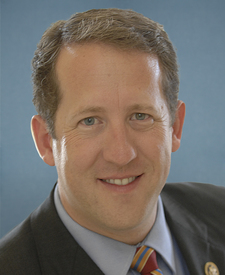
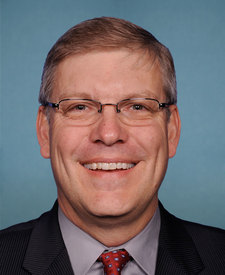
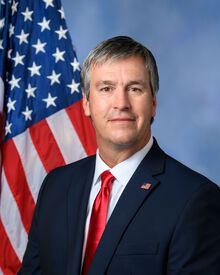
In CommitteeMr. Aderholt (for himself, Mr. Norman, Mrs. Harshbarger, Mr. Graves, …
Referred to the Committee on Education and Workforce, and in …
Introduced in House
Stakeholder Effects
cui bono?How this legislation distributes effects. Mention counts reflect frequency, not effect magnitude.
Department of Homeland Security, Federal agencies, Native language communities
States with official-English policies
Bill Structure & Actor Mappings
Who is "The Secretary" in each section?
We use a combination of our own taxonomy and classification in addition to large language models to assess meaning and potential beneficiaries. High confidence means strong textual evidence. Always verify with the original bill text.
Learn more about our methodology