To amend the Immigration and Nationality Act with respect to aliens who carried out, participated in, planned, financed, supported, or otherwise facilitated the attacks against Israel.
Summary
What This Bill Does
The No Immigration Benefits for Hamas Terrorists Act of 2025 amends the Immigration and Nationality Act. It adds Palestinian Islamic Jihad and Hamas to the terrorism-related inadmissibility language that already references the Palestine Liberation Organization, and it adds members as well as representatives. It creates a specific inadmissibility ground for any noncitizen who carried out, participated in, planned, financed, afforded material support to, or otherwise facilitated any of the attacks against Israel initiated by Hamas beginning on October 7, 2023. It makes the same covered noncitizens ineligible for immigration relief, including withholding of removal under INA section 241(b)(3), asylum under section 208, and protection-related relief under section 2242 of the 1999 Omnibus Consolidated and Emergency Supplemental Appropriations Act and related regulations. It also makes the new inadmissibility ground a basis for removability and requires the Homeland Security Secretary to report annually to Congress on how many people were found inadmissible or removable under the new ground.
Who Benefits and How
Department of Homeland Security immigration officers, U.S. Citizenship and Immigration Services adjudicators, Immigration and Customs Enforcement attorneys, Customs and Border Protection officers, immigration judges, congressional homeland-security committees, congressional judiciary committees, Israeli victims' advocates, Israel, and national-security prosecutors benefit from a more explicit statutory ground to deny admission, deny relief, remove covered noncitizens, and track annual use of the October 7 Hamas attack provisions.
Who Bears the Burden and How
Noncitizens accused of carrying out, participating in, planning, financing, materially supporting, or facilitating the October 7 Hamas attacks, Hamas members, Palestinian Islamic Jihad members, immigration defense attorneys, asylum applicants with alleged covered links, DHS reporting staff, USCIS adjudicators, ICE trial attorneys, CBP officers, and immigration courts must apply the new inadmissibility, removability, relief-bar, and annual-reporting rules, with covered noncitizens losing admission and relief eligibility.
Key Provisions
- Adds Palestinian Islamic Jihad and Hamas members and representatives to existing terrorism-related inadmissibility language.
- Creates a new inadmissibility ground for noncitizens who carried out, participated in, planned, financed, materially supported, or facilitated Hamas's October 7, 2023 attacks against Israel.
- Bars covered noncitizens from immigration relief, including withholding of removal, asylum, and related protection under 1999 law and regulations.
- Makes the new ground usable for removability under INA section 237(a)(4)(B).
- Requires DHS annual reports to Congress on inadmissibility and removability findings under the new ground.
Evidence Chain:
This summary is generated from the full bill text using AI analysis. Expand "Detailed Analysis" below for identified beneficiaries/burden bearers with clause-level evidence links.
At a Glance
What This Bill Does
Adds Hamas and Palestinian Islamic Jihad to terrorism-related Immigration and Nationality Act inadmissibility language, makes noncitizens who carried out, participated in, planned, financed, materially supported, or otherwise facilitated Hamas's October 7, 2023 attacks against Israel inadmissible, removable, and ineligible for immigration relief, and requires DHS annual reporting to Congress.
Key Policy Areas
Immigration, National Security, Foreign Affairs
Primary Purpose
Adds Hamas and Palestinian Islamic Jihad to terrorism-related Immigration and Nationality Act inadmissibility language, makes noncitizens who carried out, participated in, planned, financed, materially supported, or otherwise facilitated Hamas's October 7, 2023 attacks against Israel inadmissible, removable, and ineligible for immigration relief, and requires DHS annual reporting to Congress.
Policy Domains
Substantive provisions
Identified Gains
- Department of Homeland Security immigration officers
- U.S. Citizenship and Immigration Services adjudicators
- Immigration and Customs Enforcement attorneys
- Customs and Border Protection officers
- Immigration judges
- Congressional homeland-security committees
- Congressional judiciary committees
- Israeli victims' advocates
- Israel
Identified Costs
- Covered noncitizens
- Hamas members
- Palestinian Islamic Jihad members
- Immigration defense attorneys
- Asylum applicants with alleged covered links
- DHS reporting staff
- USCIS adjudicators
- ICE trial attorneys
- CBP officers
- Immigration courts
Sponsors
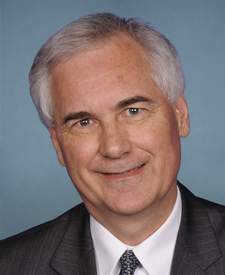
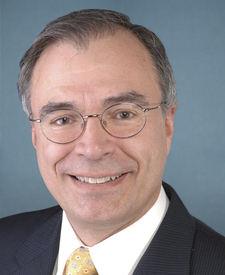
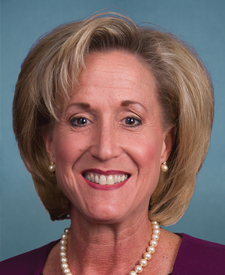
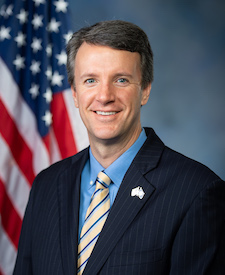
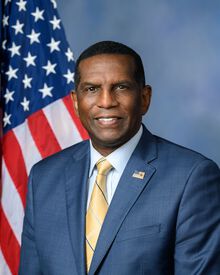
Legislative Progress
Passed HouseReceived; read twice and referred to the Committee on the …
Passed House (inferred from eh version)
Additional sponsors: Mr. LaMalfa, Mr. Obernolte, Mr. Rogers of Kentucky, …
Reported with an amendment, committed to the Committee of the …
Mr. McClintock (for himself, Mr. Wilson of South Carolina, Ms. …
Stakeholder Effects
cui bono?How this legislation distributes effects. Mention counts reflect frequency, not effect magnitude.
Congressional homeland-security committees, Department of Homeland Security immigration officers, Immigration and Customs Enforcement attorneys
Positive-direction: Congressional homeland-security committees, Israel
Negative-direction: Department of Homeland Security immigration officers, Immigration and Customs Enforcement attorneys, Immigration courts, U.S. Citizenship and Immigration Services adjudicators
Covered noncitizens, Hamas members, Palestinian Islamic Jihad members
Bill Structure & Actor Mappings
Who is "The Secretary" in each section?
- "secretary"
- → Secretary of Homeland Security
We use a combination of our own taxonomy and classification in addition to large language models to assess meaning and potential beneficiaries. High confidence means strong textual evidence. Always verify with the original bill text.
Learn more about our methodology