EMPSA Act
Summary
What This Bill Does
The EMPSA Act changes Supplemental Security Income rules for adults with intellectual or developmental disabilities. It creates an eligible-individual rule for people age 18 or older who are diagnosed with an intellectual or developmental disability, have countable income no higher than the individual SSI rate, and have countable resources no higher than the individual resource limit. It then provides that the benefit for those individuals is payable at the individual rate whether or not the person has an eligible spouse, reduced only by that individual's nonexcluded income. It also says that, for married individuals in this category, spouse income and resources are not deemed to the individual for SSI eligibility or benefit amount. The practical effect is to let affected adults marry without losing SSI eligibility or receiving a lower couple-based payment due to a spouse's income or resources.
Who Benefits and How
Adults with intellectual disabilities benefit because SSI eligibility and payment amount are determined individually rather than through spousal deeming. Adults with developmental disabilities benefit because marriage would not automatically reduce benefits through the couple rate. Spouses of disabled SSI recipients benefit because their income and resources are not counted against the recipient's eligibility. Disability rights organizations benefit from a targeted fix to the SSI marriage penalty.
Who Bears the Burden and How
Social Security Administration staff must update SSI eligibility systems, payment calculations, and spouse-deeming rules. Federal taxpayers bear the cost of benefits that would otherwise be reduced or denied after marriage. Program integrity staff must verify intellectual or developmental disability diagnoses and individual income and resources. Applicants outside the intellectual or developmental disability category do not receive the bill's marriage-penalty fix.
Key Provisions
- Creates individual SSI eligibility for adults with intellectual or developmental disabilities.
- Requires the individual SSI benefit rate to apply whether or not the person has an eligible spouse.
- Excludes spouse income and resources from eligibility and benefit calculations for covered individuals.
- Limits the special rule to adults meeting diagnosis, income, and resource requirements.
Evidence Chain:
This summary is generated from the full bill text using AI analysis. Expand "Detailed Analysis" below for identified beneficiaries/burden bearers with clause-level evidence links.
At a Glance
What This Bill Does
Eliminates the SSI marriage penalty for adults with intellectual or developmental disabilities by creating individual eligibility, paying the individual rate regardless of an eligible spouse, and excluding spouse income and resources from deeming.
Key Policy Areas
Social Security, Disability Benefits, Marriage
Primary Purpose
Eliminates the SSI marriage penalty for adults with intellectual or developmental disabilities by creating individual eligibility, paying the individual rate regardless of an eligible spouse, and excluding spouse income and resources from deeming.
Policy Domains
Resolution provisions
Identified Gains
- Adults with intellectual disabilities
- Adults with developmental disabilities
- Spouses of disabled SSI recipients
- Disability rights organizations
Identified Costs
- Social Security Administration staff
- Federal taxpayers
- Program integrity staff
- Noncovered SSI applicants
Sponsors

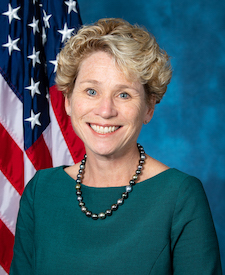
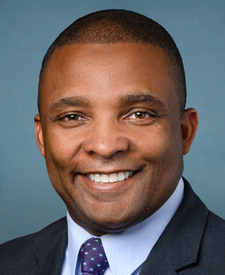


Legislative Progress
In CommitteeMr. Valadao (for himself and Ms. Lee of Nevada) introduced …
Referred to the House Committee on Ways and Means.
Introduced in House
Stakeholder Effects
cui bono?How this legislation distributes effects. Mention counts reflect frequency, not effect magnitude.
Adults with developmental disabilities, Adults with intellectual disabilities, Spouses of disabled SSI recipients
Bill Structure & Actor Mappings
Who is "The Secretary" in each section?
We use a combination of our own taxonomy and classification in addition to large language models to assess meaning and potential beneficiaries. High confidence means strong textual evidence. Always verify with the original bill text.
Learn more about our methodology