To coordinate Federal research and development efforts focused on modernizing mathematics in STEM education through mathematical and statistical modeling, including data-driven and computational thinking, problem, project, and performance-based learning and assessment, interdisciplinary exploration, and career connections, and for other purposes.
Sponsors
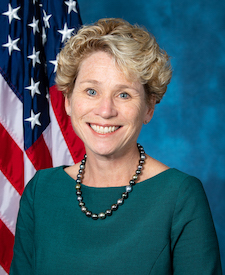
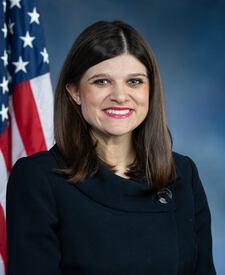
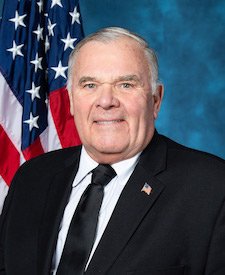

Legislative Progress
ReportedAdditional sponsors: Ms. Lee of Pennsylvania and Ms. Stevens
Reported with an amendment, committed to the Committee of the …
Ms. Houlahan (for herself and Mr. Baird) introduced the following …
Summary
What This Bill Does
Directs federal coordination of research on modernizing mathematics education to include data science, statistical modeling, and computational tools. Addresses STEM workforce skills gap.
Who Benefits and How
Students gain relevant math education including data science. Employers get better-prepared STEM workforce. AI and data science fields gain talent pipeline.
Who Bears the Burden and How
NSF and education agencies must coordinate new research. Math curriculum may require updates. Traditional math education approaches may be disrupted.
Key Provisions
- Coordinates federal R&D on mathematical modeling education
- Emphasizes data science and computational problem solving
- Addresses 1 million STEM professional shortage
Evidence Chain:
This summary is derived from the structured analysis below. See "Detailed Analysis" for per-title beneficiaries/burden bearers with clause-level evidence links.
Primary Purpose
Coordinates federal R&D on modernizing mathematics education including data science and statistical modeling
Policy Domains
Legislative Strategy
"Modernize math education for data-driven economy"
Bill Structure & Actor Mappings
Who is "The Secretary" in each section?
We use a combination of our own taxonomy and classification in addition to large language models to assess meaning and potential beneficiaries. High confidence means strong textual evidence. Always verify with the original bill text.
Learn more about our methodology