Preventing Deep Fake Scams Act
Summary
What This Bill Does
The Preventing Deep Fake Scams Act responds to AI-enabled fraud risks in banking and credit unions. Its findings say artificial intelligence can benefit financial institutions and consumers but creates unique threats to account safety, especially because voice banking and social media audio or video can let bad actors replicate voices or appearances. The bill establishes a Task Force on Artificial Intelligence in the Financial Services Sector chaired by the Treasury Secretary or designee and including the OCC, Federal Reserve, FDIC, CFPB, NCUA, and FinCEN. The task force must solicit public feedback within 90 days and issue a report to Congress within one year on AI risks, deepfake account compromise, and financial-sector responses.
Who Benefits and How
Banking consumers benefit because federal regulators must study how deepfakes can compromise accounts and voice banking. Banks benefit from an interagency review of AI fraud threats and possible defensive practices. Credit unions benefit because NCUA participates in the financial-sector AI task force. Financial technology security providers benefit from public attention to deepfake detection and account-protection tools.
Who Bears the Burden and How
Treasury Department staff must chair and coordinate the task force. Federal banking regulators must participate, solicit feedback, and contribute to the report. Financial institutions may face future scrutiny or expectations after the report identifies AI fraud controls. Fraudsters using deepfake tools face increased regulatory and law-enforcement attention.
Key Provisions
- Creates a Task Force on Artificial Intelligence in the Financial Services Sector.
- Requires Treasury, OCC, Federal Reserve, FDIC, CFPB, NCUA, and FinCEN participation.
- Directs the task force to solicit public feedback within 90 days.
- Requires a report to Congress within one year on AI and deepfake threats to financial accounts.
Evidence Chain:
This summary is generated from the full bill text using AI analysis. Expand "Detailed Analysis" below for identified beneficiaries/burden bearers with clause-level evidence links.
At a Glance
What This Bill Does
Creates a Treasury-led interagency task force on artificial intelligence in financial services to study deepfake threats to customer accounts and report to Congress after public feedback.
Key Policy Areas
Financial Services, Artificial Intelligence, Cybersecurity
Primary Purpose
Creates a Treasury-led interagency task force on artificial intelligence in financial services to study deepfake threats to customer accounts and report to Congress after public feedback.
Policy Domains
Resolution provisions
Identified Gains
- Banking consumers
- Banks
- Credit unions
- Financial technology security providers
Identified Costs
- Treasury Department staff
- Federal banking regulators
- Financial institutions
- Fraudsters using deepfake tools
Sponsors
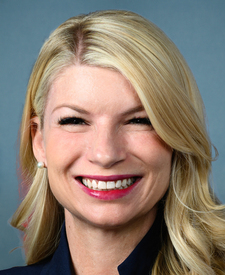
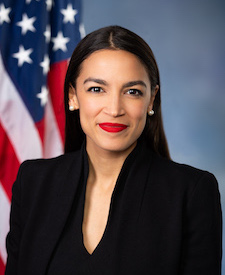

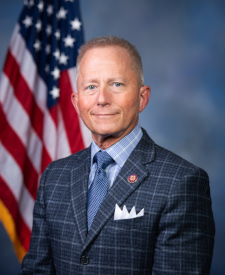
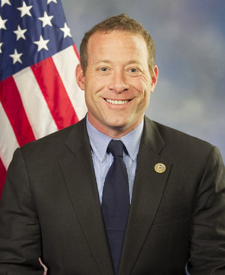
Legislative Progress
In CommitteeMs. Pettersen (for herself, Mr. Flood, Ms. Bonamici, Mr. Fitzpatrick, …
Referred to the House Committee on Financial Services.
Introduced in House
Stakeholder Effects
cui bono?How this legislation distributes effects. Mention counts reflect frequency, not effect magnitude.
Bill Structure & Actor Mappings
Who is "The Secretary" in each section?
We use a combination of our own taxonomy and classification in addition to large language models to assess meaning and potential beneficiaries. High confidence means strong textual evidence. Always verify with the original bill text.
Learn more about our methodology